
Have you ever felt like you wanted to disappear under the rug after making a mistake? Maybe you blushed or felt your stomach twist. That feeling? That’s shame! Shame is a complex emotion, but don’t worry, we’re here to break it down and understand how it works.
There are few emotions that can rattle us to our very core. We have all felt its stinging touch, at some time or another. From being caught in the most intimate of moments or made fun of for a misstep or misspoken word. It can take root inside of us and is almost impossible to remove. Is there a more powerful and manipulative emotion out there?
Let’s take a closer look at : Understanding Shame: From Childhood Roots to Daily Impact.
- Understanding Shame: Unveiling a Complex Emotion
- Guilt vs. Shame: Unraveling the Tangled Web of Emotions
- Shame’s Hidden Roots: Exploring the Origins of This Powerful Emotion
- Shame’s Sneaky Disguise: Wearing Different Masks
- Breaking Free from Shame’s Grip: Tools for Change
- Remember, You’re Not Alone!
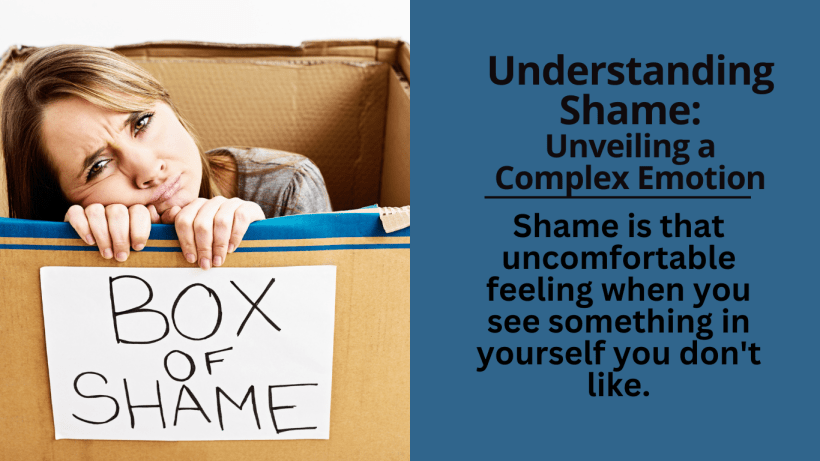
Understanding Shame: Unveiling a Complex Emotion
Imagine holding a mirror up to your actions. Sometimes, what you see is something you’re proud of, other times, not so much. Shame is that uncomfortable feeling when you see something in yourself you don’t like. It’s like feeling “bad” about who you are, not just what you did.
As a child, I knew I was different in many ways. I guess most LGBTQ+ people say that. I loved playing with dolls and had several. I also loved my mother’s cast off purses, what boy wouldn’t. With all the pockets, large carrying capability and looking like a superhero gadget bag. I thought my mother was one because she could pull anything you needed from that bag. Sorry, off topic. They were some of my favorite childhood toys and I took them everywhere… even to kindergarten. This is one of my earliest memories of shame and it came from a boy named Harold McGuire. He saw my “bag” and my KISS doll, Paul Stanley, as Starchild. He took both from me and taunted me about them and others laughed. He then proceeded to strip the KISS doll and spread his clothes around the room before ripping his head off and tossing the broken pieces on the floor. The kids were laughing at me and making fun of my doll. Even my best friend who had already knew about the doll.
This event would cause me to start building up walls so people could not see who I was on the inside. It would be another brick in a road to hiding away things that made me who I was, both to myself and to people I would encounter.
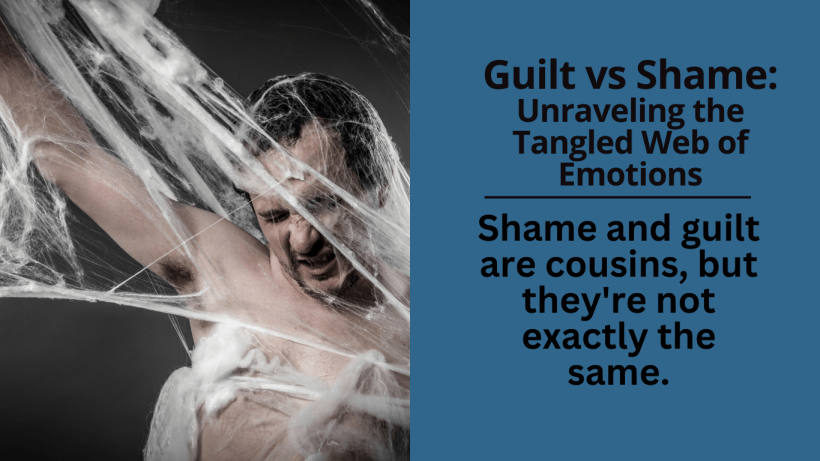
Guilt vs. Shame: Unraveling the Tangled Web of Emotions
Shame and guilt are cousins, but they’re not exactly the same. When you feel guilt, you focus on the action you did wrong (“I shouldn’t have lied”). When you feel shame, you focus on yourself and feel bad about being “bad” (“I am a bad person for lying”).
Think of it like this: Imagine spilling juice on your friend’s new shirt. You might feel guilt because you know it was an accident, but you still made a mistake. But if you think, “I’m clumsy and always mess things up,” that’s more shame.
One of my biggest fears is that people may perceive me as stupid or unknowing of things. This stems from childhood trauma of being told how stupid I was or ignorant, or how I would never amount to anything because I am dumb poor trash (guidance counselor’s remarks to me). This all added up and became a landslide at another shame inducing event in my life… failing sixth grade.
Failing a grade in school is shame inducing enough. I watched as my friends got to go on without me and, by proxy, exit my life. I have touched on the why’s and how’s of me failing sixth grade, here. (Why Winning Isn’t Everything: Learning to be okay with not being right (all the time)!) When I was told I would be held back and repeating sixth grade, all of those comments of me being stupid landed hard on my shoulders. I felt really bad about failing. Was I really this stupid person they all claimed I was? Was I even worth living?
Guilt over failing sixth grade brought all of those harsh comments home to me and they sat in the pit of my anxious and scared stomach and rotted and spread like some disease only to become guilty. To this day, the minute my head thinks someone is questioning my intellect, whether they are or not, the little sixth grader in me pops up saying, “See, they know you are stupid. They were right and these people see it too.” That shame turns to fear and from there I feel like a wild animal caged or backed into a corner. It is at that point anger and rage take over and I lose sense of what is happening and only react.
Shame’s Hidden Roots: Exploring the Origins of This Powerful Emotion
Shame is a complex and multifaceted emotion that arises from various sources, often rooted in societal, cultural, or personal expectations. It can be a product of perceived failure to meet standards, whether internalized from childhood experiences, societal norms, or personal values. Parental upbringing, societal expectations, and cultural influences contribute significantly to the formation of shame. When individuals believe they fall short of these expectations, whether in terms of behavior, appearance, or achievements, feelings of shame can emerge. It can also stem from interpersonal experiences, such as rejection, criticism, or judgment, reinforcing the internalized belief of being flawed or unworthy. Ultimately, the origins of shame are diverse and interconnected, shaped by a complex interplay of individual, social, and cultural factors. Understanding these origins is crucial for addressing and transforming shame into opportunities for personal growth and positive change.
Shame can grow from lots of places, like:
- Making mistakes: Everyone makes them, but sometimes harsh words from others or comparing yourself to others can make you feel ashamed.
- Experiencing bullying or hurtful situations: Feeling targeted or treated unfairly can leave a lasting mark and make you feel like something’s wrong with you.
- Family dynamics: Growing up in a critical or perfectionist environment can make you feel like you’re never good enough, leading to shame.
Shame’s Sneaky Disguise: Wearing Different Masks
“Shame causes a fear response that makes us either get defensive or hide, which doesn’t allow us to step back and see what we can do differently,” Jena Field, a London-based psychologist.
Shame often manifests itself through a complex interplay of various emotions, with anger, sadness, and anxiety being prominent channels for its expression. When individuals experience shame, they may feel a profound sense of inadequacy or unworthiness, giving rise to sadness. This emotional response can be compounded by anxiety, as the fear of judgment or rejection intensifies. In an attempt to shield oneself from the discomfort of shame, individuals may redirect these feelings inward, leading to self-criticism and heightened anxiety. Alternatively, shame can show itself as anger, projected onto others as a defense mechanism. This anger serves as a protective barrier, attempting to mask the vulnerability inherent in shame. The intricate dance between these emotions underlines the complexity of shame as it seeks expression through a range of feelings, ultimately influencing behavior and interpersonal dynamics. Recognizing and understanding this emotional interplay is crucial for individuals to navigate and address shame in a healthy and constructive manner.
Shame doesn’t always announce itself with a big red sign. Sometimes, it hides behind other feelings like:
- Anger: You might get mad at others or yourself to avoid facing the deeper shame.
- Sadness: Feeling down and withdrawn can be a sign of hidden shame.
- Anxiety: Worrying a lot about making mistakes or being judged can stem from shame.
Shame’s Daily Impact: From Playground to Pizza Parties
Shame can affect your life in many ways, big and small:
- At school: You might avoid participating in class or making friends because you’re afraid of being judged.
- With friends: You might keep secrets or shy away from sharing your true self for fear of rejection.
- Making choices: You might avoid trying new things or taking risks because you’re afraid of failing and feeling ashamed.
- Body image: You might criticize your appearance or avoid activities because you feel insecure.

Breaking Free from Shame’s Grip: Tools for Change
Coping with and beating shame is like becoming a superhero for your own feelings. First, it’s important to talk about what happened with someone you trust, like a friend, family member, or teacher. Sharing your feelings can make them feel lighter. Remember, everyone makes mistakes, and that’s okay! Try to learn from what happened, just like how superheroes learn from their challenges. When you feel shame, think about something you’re proud of or good at, like a favorite hobby or a skill you’ve mastered. This can help boost your confidence. Also, practice saying positive things to yourself, like “I can do this” or “I am strong.” Over time, these positive thoughts can help you stop feeling ashamed. It’s like creating a shield against those tricky shame feelings! Lastly, be kind to others, because kindness can make everyone feel better. Being a superhero for your own feelings means learning, growing, and spreading kindness!
Remember, shame doesn’t have to control you! Here are some ways to deal with it:
- Talk it out: Share your feelings with a trusted friend, family member, or therapist.Talking can help you understand shame and feel less alone.
- Challenge negative thoughts: When you catch yourself thinking bad things about yourself, ask yourself if those thoughts are true and helpful. Try replacing them with kinder, more realistic thoughts.
- Forgive yourself: Everyone makes mistakes! Learn from your experiences and let go of guilt and shame.
- Be kind to yourself: Treat yourself with the same compassion and understanding you’d show a friend.
- Seek help: If shame feels overwhelming, don’t hesitate to reach out for professional help from a therapist or counselor.
While shame is often considered a negative emotion, it can be channeled in constructive ways to promote personal growth and positive change. Here are five ways to use feelings of shame in a helpful rather than harmful manner:
- Self-reflection and Awareness: Embrace shame as a signal for self-reflection. Instead of allowing it to overwhelm you, use it as an opportunity to explore the underlying reasons for your feelings. Reflect on your actions, choices, or behaviors that led to shame and identify areas where you can improve. This increased self-awareness can be a catalyst for positive change.
- Setting Boundaries: Feelings of shame may arise when you realize you have crossed personal or societal boundaries. Use this awareness to establish and reinforce healthy boundaries in your relationships and behavior. Learning from the experience can help you set clear expectations for yourself and others, fostering healthier interactions.
- Learning and Growth: View shame as a stepping stone for personal development. Understand that everyone makes mistakes, and experiencing shame is a natural part of the learning process. Instead of letting shame paralyze you, channel it into motivation for growth. Identify the lessons from the situation and commit to making better choices in the future.
- Empathy and Connection: Recognize that others also experience shame, and use your own feelings to cultivate empathy. Share your experiences with those you trust, fostering connection and understanding. This can create a supportive environment where individuals can learn from each other’s mistakes and work together towards self-improvement.
- Cultivating Accountability: Accepting responsibility for your actions is a powerful way to transform shame into a positive force. Use shame as a prompt to acknowledge any harm you may have caused and take steps to make amends. Demonstrate accountability by making sincere apologies, learning from the experience, and actively working towards positive change in your behavior.

Remember, You’re Not Alone!
Shame is a common feeling, but it doesn’t have to define you. By understanding where it comes from and how it affects you, you can find healthy ways to cope and build a stronger, more confident you!
What about you? How does shame impact your life? How have you found ways to deal with it? Are there methods you use that work really well and would you like to share them? Let us know in the comments below. Mental health is a personal journey, so you do not have to go into detail or explanation of feelings you have, but if there are processes that help bring you clarity and relief and feel comfortable sharing them, know that they are greatly appreciated.
Please remember, if you find yourself experiencing signs of shame or any mental health issue, do not hesitate to reach out for help; seeking support from friends, family, or mental health professionals is a courageous and vital step towards healing and well-being.


 Gay in the CLE
Hello!
LikeLike
Hi
LikeLike
How are you friend!!
LikeLike
I’m well and yourself?
LikeLiked by 1 person
doing well thanks dear!! Cute one
LikeLike
Please!!! Check your Email!
LikeLike
Not sure I understand your comment.
LikeLike