
Growing up in the 1980s, it was hard to find positive LGBTQ role models on mainstream television. In most shows that I watched, you always had the gay man wearing an ascot, clutching some teeny tiny dog or flavor of the month feline, and being as camp as queerly possible. While this is undeniably a part of our culture, it isnt all encompassing and when those images are coming from a source where many of us draw our inspiration, it is no wonder that we are often only seen in the images conveyed by outdated Hollywood representation. Thankfully, there were bastions of hope in a sea of endless mainstream misinformation.
While the 1980s has its share of missteps, the 1980s was also a groundbreaking decade for LGBTQ+ representation in film, blending underground indie gems with mainstream Hollywood moments that dared to challenge the status quo. The 80s was a transitional period for LGBTQ+ cinema, with films tackling queer identity, AIDS awareness, gender expression, and the fight for acceptance amidst a conservative political landscape.
Highlight ten essential 80s movies that every LGBTQ+ person should watch, whether for historical significance, groundbreaking representation, or sheer entertainment value. Sit back with your favorite beverage, a dish of popcorn, and let’s dive into Seven 80s Movies Every LGBTQ Person Should Watch.
- Impact of 80s cinema on LGBTQ representation
- Seven 80s Movies Every LGBTQ Person Should Watch
- Why these films still matter
- A small step to the future
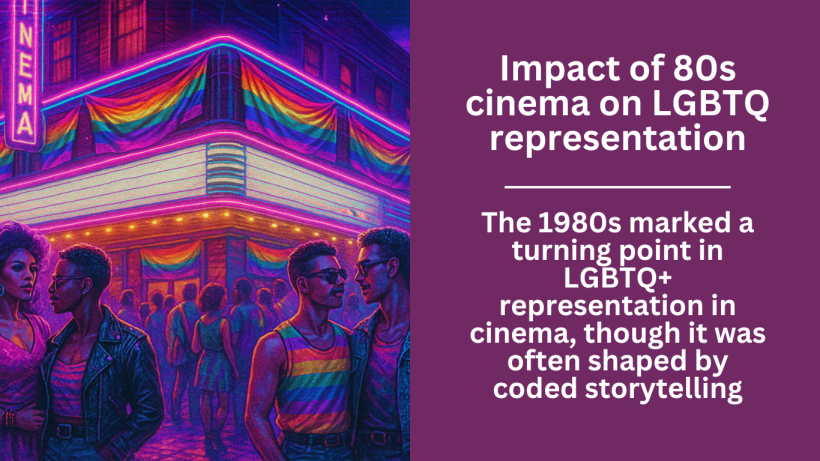
Impact of 80s cinema on LGBTQ representation
The 1980s marked a turning point in LGBTQ+ representation in cinema, though it was often shaped by coded storytelling, subtext, and independent filmmaking. Mainstream Hollywood still largely avoided direct depictions of queer characters, fearing backlash from conservative audiences and the lingering effects of the Hays Code era. As a result, LGBTQ+ themes often existed in the margins, hidden behind innuendo, gender ambiguity, and carefully constructed narratives. However, independent films and international cinema took greater risks, bringing queer relationships, identity struggles, and defiance against societal norms into focus. These films laid the groundwork for more authentic and bold LGBTQ+ storytelling in the decades to come.
The emergence of the AIDS crisis in the 1980s also influenced LGBTQ+ representation in film, as the epidemic devastated queer communities and forced public discourse on issues of sexuality and health. Movies like Parting Glances(1986) and the documentary The Times of Harvey Milk (1984) gave a human face to LGBTQ+ struggles, offering portrayals of activism, love, and resilience in the face of discrimination. Meanwhile, films such as My Beautiful Laundrette (1985) and Desert Hearts (1985) depicted queer romance with an unprecedented level of depth and sincerity, helping to shift public perception of LGBTQ+ relationships. Though tragic narratives were still prevalent, the 80s also introduced hopeful and empowering stories that countered the common portrayal of queer lives as doomed or shameful.
Despite the challenges of the era, the 1980s set the stage for greater LGBTQ+ visibility in film. It was a decade where independent directors and international filmmakers, from Pedro Almodóvar to Rainer Werner Fassbinder, created bold, unapologetic films that defied mainstream censorship. Queer-coded characters in Hollywood productions, such as those in Victor/Victoria (1982) and The Hunger (1983), further pushed boundaries, albeit in subtle ways. The influence of 80s queer cinema can still be felt today, as modern LGBTQ+ filmmakers continue the legacy of telling authentic, diverse, and unapologetic stories that challenge social norms and celebrate identity.

Seven 80s Movies Every LGBTQ Person Should Watch

1. The Life and Times of Harvey Milk
- LGBTQ+ Themes: Activism, political representation, LGBTQ+ rights history.
- Where to watch: Streaming on MAX
The Times of Harvey Milk is an Academy Award-winning documentary that chronicles the life, political rise, and tragic assassination of Harvey Milk, the first openly gay elected official in California. As one of the most influential LGBTQ+ figures of the 20th century, Milk fought tirelessly for gay rights, social justice, and political representation, becoming a beacon of hope for the queer community. This documentary captures not only his personal journey but also the broader struggles of the LGBTQ+ movement in the 1970s, making it an essential film for understanding the roots of queer activism.
What makes this film particularly important is its raw and emotional storytelling, blending archival footage, firsthand accounts, and historical context to paint a vivid picture of Milk’s impact. His assassination in 1978 by fellow city supervisor Dan White is presented not just as an individual tragedy, but as a reflection of the systemic prejudice that LGBTQ+ individuals faced. The documentary also examines the infamous “Twinkie Defense” that led to White receiving a lenient sentence, sparking outrage and protests within the LGBTQ+ community.
Even decades after its release, The Times of Harvey Milk remains a powerful and urgent reminder of the importance of LGBTQ+ political representation and activism. It highlights the ongoing fight for equality, visibility, and justice, making it a must-watch for anyone seeking to understand the history of LGBTQ+ rights in America. The lessons from Milk’s activism continue to inspire new generations, proving that change is possible through persistence, courage, and community action.
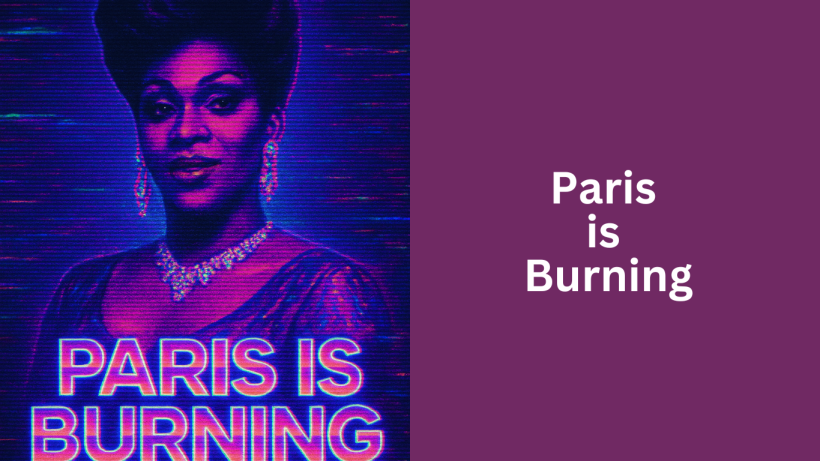
2. Paris is Burning
- LGBTQ+ Themes: Drag culture, voguing, found family, struggles with racism and classism.
- Where to watch: Streaming on MAX
Paris Is Burning is a groundbreaking documentary that captures the vibrant and revolutionary ballroom culture of 1980s New York City, showcasing the lives of Black and Latinx LGBTQ+ individuals, many of whom were transgender or drag performers. At a time when mainstream media largely ignored or misrepresented queer people of color, this film provided an authentic and unfiltered look at the struggles and triumphs of a marginalized community that found solace, family, and self-expression through the ballroom scene.
What makes Paris Is Burning essential is its exploration of identity, race, gender, and class within the LGBTQ+ experience. The film sheds light on chosen families—known as “houses”—where young queer and trans individuals, many of whom were rejected by their biological families, found support, mentorship, and belonging. It also introduced the world to voguing, a dance style that would later influence mainstream pop culture, most notably through artists like Madonna and Beyoncé, as well as TV series like Pose and RuPaul’s Drag Race.
Beyond its cultural significance, Paris Is Burning is a deeply poignant and urgent social commentary on systemic oppression, poverty, and survival. It captures the harsh realities faced by its subjects—discrimination, homelessness, and the looming HIV/AIDS epidemic—while also celebrating their resilience, creativity, and unapologetic self-expression. The documentary remains a cornerstone of LGBTQ+ history, preserving a moment in time that continues to influence queer art, activism, and visibility today.
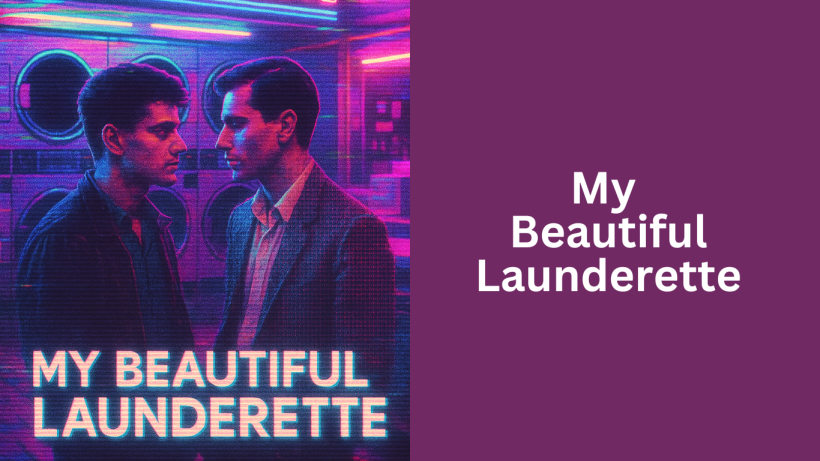
3. My Beautiful Launderette
- LGBTQ+ Themes: Love across cultural boundaries, the struggle for acceptance.
- Where to watch: Streaming on Prime
My Beautiful Laundrette is a groundbreaking British film that boldly tackled race, class, and sexuality at a time when LGBTQ+ representation was still rare in mainstream cinema. Directed by Stephen Frears and written by Hanif Kureishi, the film tells the story of Omar, a young Pakistani-British man, and Johnny, a working-class white Brit (played by Daniel Day-Lewis), who rekindle their relationship while managing a run-down laundromat. The film stands out for its unapologetic portrayal of queer love—in a way that was refreshingly tender and complex, rather than tragic or sensationalized.
What makes My Beautiful Laundrette essential is its interwoven themes of identity, immigration, and social mobility, painting a nuanced picture of Britain’s Thatcher-era tensions. Instead of focusing solely on homophobia, the film presents queerness as just one part of the characters’ lives, allowing their relationship to unfold naturally within a broader commentary on racism, economic disparity, and generational conflict. Unlike many LGBTQ+ films of its time, it offers a hopeful, multifaceted love story rather than one rooted in suffering or shame.
Even today, My Beautiful Laundrette remains a rare and vital example of intersectional storytelling, showing how sexuality, ethnicity, and class are deeply interconnected. It paved the way for more authentic LGBTQ+ narratives in cinema, proving that queer love stories could be integrated into broader, complex social narratives without being reduced to a mere subplot. Its bold and progressive representation continues to inspire filmmakers and remains a must-watch for those interested in the evolution of LGBTQ+ cinema.
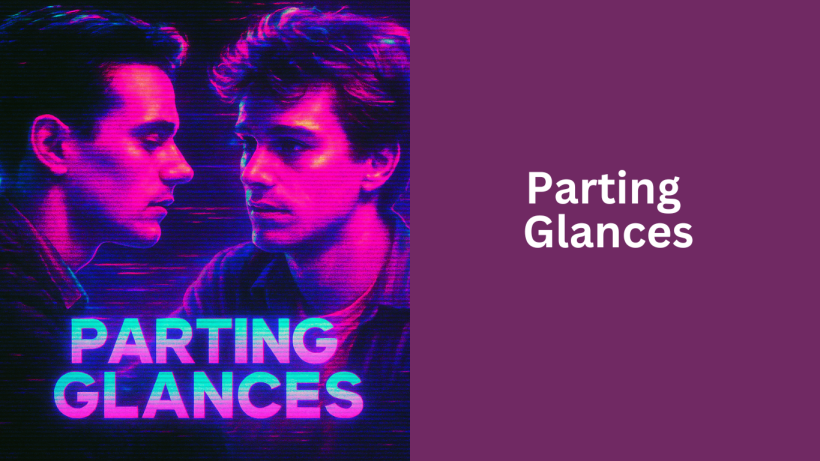
4. Parting Glances
- LGBTQ+ Themes: HIV/AIDS, relationships, queer friendships.
- Where to watch: Unknown
Parting Glances is one of the earliest films to directly address the AIDS crisis while portraying gay relationships with a level of depth, humor, and authenticity that was rare in 1980s cinema. Unlike many films of its era, which often depicted LGBTQ+ characters as tragic figures, Parting Glances offered a realistic, everyday portrayal of gay life in New York City, focusing on relationships, friendships, and the impact of AIDS without reducing its characters to symbols of suffering.
What makes this film particularly significant is its groundbreaking representation of people living with HIV/AIDS. The character of Nick, played by a young Steve Buscemi, is one of the first on-screen depictions of an HIV-positive gay man who is vibrant, witty, and full of life, rather than a passive victim. His character helped humanize the AIDS crisis, challenging stereotypes and offering a more nuanced look at how the disease affected individuals and their communities. At a time when fear and misinformation dominated public discourse, Parting Glances provided a rare glimpse into the emotional and social realities of the epidemic.
Beyond its historical importance, Parting Glances remains a beautifully crafted film that resonates with modern audiences. Its witty dialogue, intimate cinematography, and emotionally rich storytelling capture a moment in LGBTQ+ history that still feels personal and relevant today. As one of the first independent films to explore queer life with honesty and complexity, it paved the way for future LGBTQ+ cinema, making it a must-watch for anyone interested in the evolution of queer storytelling.

5. Desert Heart
- LGBTQ+ Themes: Self-discovery, coming out later in life, lesbian love.
- Where to watch: Streaming on MAX
Desert Hearts is a landmark film in LGBTQ+ cinema, recognized as one of the first mainstream lesbian love stories to feature a happy ending at a time when queer films often relied on tragedy. Directed by Donna Deitch, this beautifully shot romance tells the story of Vivian, a reserved English professor, and Cay, a confident free spirit, whose love affair unfolds in the conservative landscape of 1950s Nevada. Unlike many films before it, Desert Hearts didn’t treat same-sex attraction as something shameful or doomed, but rather as something natural, passionate, and life-affirming.
What makes this film particularly revolutionary is its unapologetic portrayal of lesbian desire and intimacy. At a time when Hollywood barely acknowledged queer women’s existence, Desert Hearts dared to show fully realized, complex female characters who weren’t punished for their love. The film’s sensual and emotional depth set a new standard for LGBTQ+ storytelling, proving that lesbian romances could be treated with the same nuance and respect as heterosexual love stories.
Nearly four decades later, Desert Hearts remains a touchstone for lesbian cinema, inspiring generations of filmmakers and audiences. Its themes of self-discovery, courage, and following one’s heart are just as relevant today as they were in the 1980s. By breaking barriers and providing a rare, affirming representation of lesbian love, Desert Hearts solidified its place as an essential LGBTQ+ film that still resonates with modern audiences.

6. Maurice
- LGBTQ+ Themes: Gay romance, societal repression, self-acceptance.
- Where to watch: AppleTV $3.99(US)
Maurice is one of the most emotionally resonant and beautifully crafted LGBTQ+ films of the 1980s, offering a rare hopeful and romantic portrayal of gay love in a time when tragic endings were the norm. Based on E.M. Forster’s novel, which was written in 1914 but unpublished until after his death due to its controversial subject matter, the film follows Maurice Hall, an upper-class Englishman navigating his sexuality in the repressive Edwardian era. Directed by James Ivory, Maurice broke new ground by treating same-sex love with dignity, depth, and tenderness, showing that queer relationships could be just as profound and meaningful as any heterosexual romance.
What makes Maurice essential is its bold rejection of queer tragedy, offering a rare happy ending for its central characters, Maurice and Alec. In an era where LGBTQ+ characters were often punished or doomed to misery, Mauricedefied expectations by depicting a love story that, despite societal pressures, flourishes in its own way. The film also explores themes of internalized homophobia, class divide, and the suffocating expectations of traditional masculinity, making it not just a love story but a powerful critique of the rigid societal structures that forced many LGBTQ+ individuals into secrecy.
Even today, Maurice stands as a masterpiece of queer cinema, proving that historical LGBTQ+ narratives don’t have to end in despair. Its lush cinematography, moving performances by James Wilby and Hugh Grant, and deeply felt emotional storytelling make it an enduring favorite among LGBTQ+ audiences. The film’s message—that true love is worth fighting for, no matter the obstacles—remains as relevant and powerful now as it was when Maurice first graced the screen.
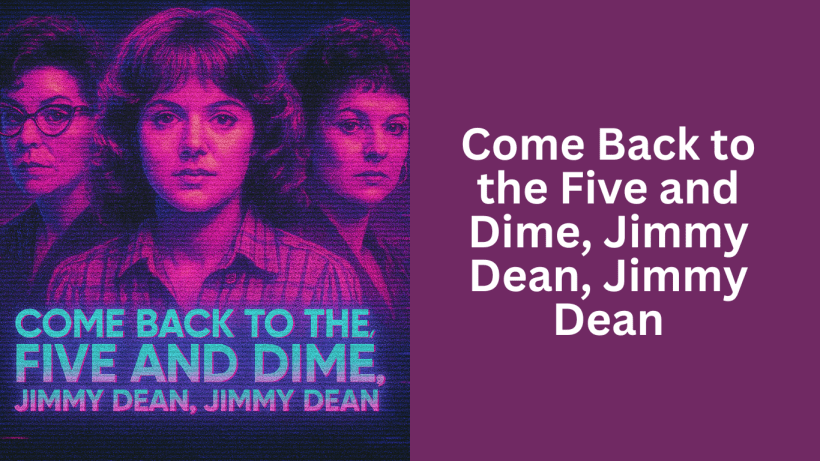
7. Come Back to the 5 & Dime, Jimmy Dean, Jimmy Dean
- LGBTQ+ Themes: Gender identity, nostalgia, small-town life vs. personal evolution.
- Where to watch: AppleTV $3.99(US)
Come Back to the Five and Dime, Jimmy Dean, Jimmy Dean is a trailblazing film for LGBTQ+ representation, particularly for its early and nuanced depiction of a transgender character at a time when trans visibility in cinema was almost nonexistent. Directed by Robert Altman and based on the play by Ed Graczyk, the film follows a group of women reuniting at a small-town Texas dime store to reminisce about their youth and shared obsession with James Dean. As their past and present collide, buried secrets emerge—including the journey of Joanne, a trans woman (played by Karen Black), who returns to confront her former friends and the town that rejected her.
What makes this film essential is its complex and compassionate portrayal of gender identity and transformation. Unlike many films of its era that treated trans characters as mere plot devices or comedic relief, Come Back to the Five and Dime gives Joanne a fully developed arc, allowing her to reclaim her past while demanding respect and recognition for who she has become. The film subtly critiques small-town conservatism, gender roles, and the struggles of those who break societal norms, making it a powerful and introspective LGBTQ+ narrative.
Even today, Come Back to the Five and Dime remains a rare gem in LGBTQ+ cinema, particularly in its treatment of transgender identity with empathy rather than sensationalism. The film’s intimate storytelling, outstanding performances (including Cher, Sandy Dennis, and Karen Black), and themes of self-acceptance and resilienceensure its lasting impact. As one of the earliest mainstream films to feature a trans character with depth and dignity, it paved the way for future trans representation in film and remains an important piece of queer cinematic history.

Why these films still matter
The films of the 1980s were more than just entertainment—they were acts of resistance in a time when LGBTQ+ visibility was minimal, and queer identities were often erased or vilified in mainstream media. These movies provided some of the first glimpses of LGBTQ+ love, struggle, and joy on screen, offering representation to an audience that had long been forced into the shadows. For many in the community, these films served as lifelines, proving that they were not alone in their experiences. Even today, watching these films provides valuable insight into how far LGBTQ+ storytelling has come and the barriers that filmmakers and activists had to overcome to tell these stories in the first place.
Many of these films also paved the way for modern LGBTQ+ cinema by challenging stereotypes and broadening the scope of queer narratives. Before the 1980s, LGBTQ+ characters were often either ridiculed, villainized, or tragic figures doomed to unhappy endings. However, films like Desert Hearts (1985) and My Beautiful Laundrette (1985) dared to depict same-sex relationships with depth, intimacy, and authenticity, proving that queer love stories were just as valid as their heterosexual counterparts. Meanwhile, documentaries like The Times of Harvey Milk (1984) and Paris Is Burning(filmed in the late 80s, released in 1990) preserved the real-life struggles and triumphs of the LGBTQ+ community, ensuring that these histories would not be forgotten.
Finally, these films remain culturally relevant because many of the themes they explore are still deeply resonant today. Issues like discrimination, coming out, gender identity, and chosen family continue to shape the LGBTQ+ experience. The struggles depicted in Parting Glances (1986) during the early years of the AIDS crisis, for example, mirror modern concerns about healthcare disparities affecting queer individuals. Films like Querelle (1982) and Victor/Victoria (1982) helped challenge traditional ideas of masculinity, femininity, and sexual identity, conversations that are still evolving in contemporary society. By revisiting these films, modern audiences can gain a deeper appreciation for LGBTQ+ history and the progress that has been made, while also recognizing the battles that still lie ahead.

A small step to the future
In a decade where LGBTQ people were fighting for their very existence, it is refreshing to know that some parts of Hollywood and the movie industry were brave enough to take a few small chances to move the needle forward for better representation. These films are more than just entertainment—they are cultural artifacts that capture LGBTQ+ history, resilience, and storytelling during the 80s
Have you seen any of these classics? What are your favorite LGBTQ+ films from the 80s? Share your thoughts in the comments! And again, thank you, each and everyone of you, for being a part of the GayintheCLE Community. You guys makes this what it is and I thank you.


 Gay in the CLE