
Many of us go through life changs, some small and some are truly big. Becoming vegetarian, at least for me, was more in the latter category. Throughout my life I have met and been friends with many vegetarians and vegans. During those times, I never thought that it would be a life choice I would make. I was a die hard red meat person, steaks medium rare — at most. As I said, we all go through life changes, some bigger than others.
The morning of Christmas Eve, 2020, was an eye opening day, for me. It was the day I found out that I had high blood pressure and a strong chance of having cirrhosis — later that would be confirmed. At the time, I had a resting heart rate of around 120 bpm. Walking across the parking lot to work was enough to induce heavy breathing and I weighed just under three hundred pounds. I needed to make a massive change to make my life better and to make sure I was around for my boyfriend. With that, I started to pattern my life after his, already twenty year vested, vegetarian lifestyle. A choice that would be instrumental in me becoming more healthy than I have been in my entire life. Join me today as I share with you. The Plant-Powered Life: A Personal Health Revolution
- The call of the green
- “No, I don’t eat fish”
- Veggie vigilance: crunching the nutritional numbers
- Outsmarting cravings, naysayers, and the sneaky snack attacks
- Har eating a better life through plants

The call of the green
People often choose to become vegetarian for a variety of reasons. Many individuals are motivated by ethical concerns,such as animal welfare or environmental issues. They believe that animal agriculture contributes to suffering and harm to animals, as well as environmental problems like deforestation, water pollution, and greenhouse gas emissions.
Additionally, health benefits are a significant factor for many people who choose to adopt a vegetarian lifestyle. A well-planned vegetarian diet can offer numerous advantages, including reduced risk of heart disease, stroke, type 2 diabetes,and certain types of cancer. Vegetarian diets are often high in fiber, fruits, vegetables, and whole grains, which can promote overall health and well-being.

“No, I don’t eat fish”
Being a vegetarian is hard on its own, but navigating dining out with friends and family can often present unique challenges. You cannot expect everyone to eat what you do, simply because you have opted to change your eating habits. And restaurants are not always the most understanding of what it means to be a vegetarian. Too many times have I been asked if I eat fish, since I’m a vegetarian, since a specific dish is vegetable heavy with fish. Navigating the social challenges of being a vegetarian can be a bit tricky at times, but it’s definitely doable.
One of the biggest challenges is dining out with friends and family who eat meat. It can be difficult to find vegetarian options on menus, especially in more traditional restaurants. However, with a little planning and research, you can usually find something suitable.
Here are a few tips for navigating social challenges:
- Communicate your dietary preferences clearly: Let your friends and family know that you’re a vegetarian. This will help them to be mindful of your choices and avoid making assumptions.
- Suggest restaurants with vegetarian options: If you’re planning a meal with friends or family, suggest restaurants that have a variety of vegetarian dishes.
- Don’t be afraid to ask questions: If you’re unsure about a dish or its ingredients, don’t hesitate to ask the server.
- Be prepared to compromise: Sometimes, you may need to compromise with your friends or family. For example,you could suggest a restaurant with both vegetarian and meat options, or you could offer to bring a vegetarian dish to share.
- Focus on the positives: Remember that being a vegetarian is a positive choice. Don’t let the challenges get you down. Focus on the benefits of your lifestyle and the positive impact you’re making on the world.
By following these tips, you can navigate the social challenges of being a vegetarian with ease.
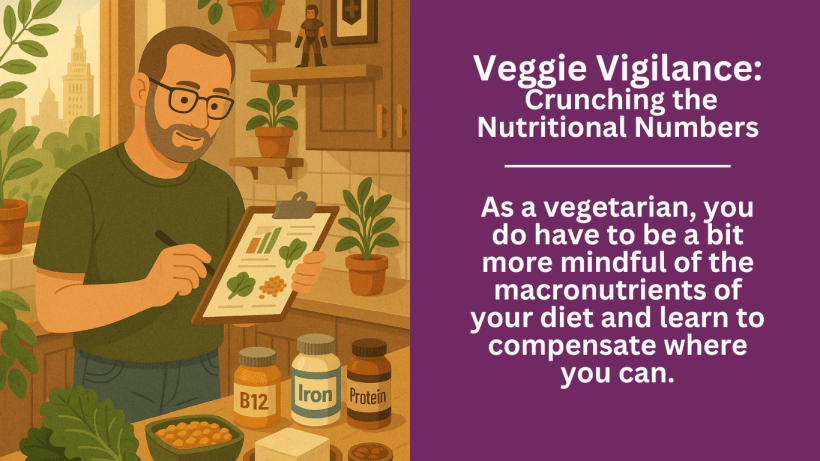
Veggie vigilance: crunching the nutritional numbers
As a vegetarian, you do have to be a bit more mindful of the macronutrients of your diet and learn to compensate where you can. Since, due to health reasons — as well as the efficacy of most supplements, I am going to share with you some common nutritional parts of your diet you need to focus on.
Most long term vegetarians will tell you that the hardest things to get in a vegetarian diet are: protein, iron, vitamin B-12, calcium, and omega 3 fatty acids. Don’t despair, with a little planning and thought, these will barely be a bump on the vegetarian highway for you.
To address the nutritional concerns associated with a vegetarian diet, I’ve learned to plan my meals carefully to ensure a variety of plant-based protein sources, iron-rich foods, and whole grains. Additionally, I pay close attention to labels to check for added nutrients like vitamin B12 and calcium. When necessary, I consult with a healthcare professional to determine if supplements are needed. To keep my diet interesting and ensure I’m getting all the necessary nutrients, I experiment with different plant-based foods and stay informed about the latest research and recommendations for vegetarian nutrition.
Here are some examples of food types to help meet those needs:
Protein:
- Legumes: Beans, lentils, chickpeas
- Tofu and tempeh: Soy-based products
- Nuts and seeds: Almonds, walnuts, cashews, sunflower seeds, pumpkin seeds
- Whole grains: Quinoa, brown rice, oats
Iron:
- Leafy greens: Spinach, kale, Swiss chard
- Lentils and beans: Red lentils, kidney beans
- Fortified cereals: Whole-grain cereals with added iron
Vitamin B12:
- Fortified foods: Nutritional yeast, fortified plant-based milk, fortified cereals
- Supplements: Vitamin B12 supplements
Calcium:
- Fortified plant-based milk: Soy milk, almond milk, oat milk
- Tofu: Firm tofu
- Calcium-fortified foods: Calcium-fortified orange juice, calcium-fortified plant-based yogurt
Omega-3 fatty acids:
- Flaxseed: Ground flaxseed, flaxseed oil
- Chia seeds: Chia seeds, chia seed pudding
- Walnuts: Walnuts, walnut oil
By incorporating these foods into your diet, you can ensure that you’re getting all the essential nutrients you need as a vegetarian.

Outsmarting cravings, naysayers, and the sneaky snack attacks
Being a vegetarian can sometimes feel like a rollercoaster ride, filled with ups and downs. From battling cravings to facing peer pressure and negative comments, there are plenty of obstacles to navigate. But fear not, fellow vegetarians!With a little determination and a sense of humor, you can conquer these challenges with ease.
Cravings can be a real test of willpower, especially when you’re surrounded by mouthwatering meat dishes. But remember, cravings are temporary. When the urge strikes, try to distract yourself with a tasty plant-based alternative. For example, instead of a juicy burger, indulge in a flavorful lentil patty or a crispy falafel wrap. And don’t forget to stay hydrated – sometimes, what we think is a craving is actually just thirst.
Peer pressure can be a tricky one. Whether it’s friends insisting you try their new favorite steak or family members questioning your dietary choices, it’s important to stay true to yourself. A confident and informed vegetarian can often sway others to try new plant-based foods. Remember, it’s okay to politely decline and offer to cook a delicious vegetarian meal instead.
Negative comments can be hurtful, but don’t let them get you down. Some people may not understand your choices, but that doesn’t mean they’re wrong. A little humor can go a long way in defusing tense situations. For example, if someone asks, “Where do you get your protein?” you could reply with a playful, “From the same place as the cows – the grocery store.”
Har eating a better life through plants
It has been a long three years since I started my journey into trying to become more healthy and battle this disease called Cirrhosis, I have used almost everything at my disposal to combat it’s progression. Becoming vegetarian was an essential choice in this fight, for me. Eating leaner and more easy to digest proteins, keeping up on good carbohydrates and fats are also essential for keeping the negative side effects at bay. It hasn’t always been easy, especially when it comes to fighting the odd craving for something you haven’t had in a long time, like potted meat. But with diligence and planning, there are no obstacles that you cannot overcome.
Have you had to make a large life change in the name of health? What was it? Maybe you have also followed the road to vegetarianism or, even went further and, became vegan. How did you navigate the same challenges? Maybe you were raised to be vegetarian since you were a child, how did you have to adapt to school lunches and friends? Who did you feel at the time versus now? Let me know in the comments below. Again, thanks to each and everyone of you that make GayintheCLE possible. Without you, we would not be able to go on.


 Gay in the CLE