
Anniversaries are usually meant at a time of celebration, recognizing how far you have come or, in the case of marriage, celebrating a unity that is still standing strong. But there are other anniversaries, the ones that are meant to remind you of what could have been and the reasons you still need to fight. This year, April 2nd, to be exact, will be my four year anniversary since being diagnosed with cirrhosis. A sobering fact is that roughly 26% of patients who are diagnosed with cirrhosis die within the first year of receiving that news. What was even more scary is that there are numbers to prove that approximately 50% of patients diagnosed with cirrhosis will die before they reach the four year anniversary of their diagnosis.
Cirrhosis is a serious liver condition that can change the way your body processes nutrients, making it crucial to adopt a diet that supports liver function and helps prevent further damage. While there’s no cure for cirrhosis, what you eat can make a major difference in how you feel and how your body manages the condition. In this guide, we’ll break down the best foods to eat and which ones to avoid, so you can take control of your health through smart, liver-friendly choices.
I have learned a lot in my four years and, personally, I attribute my success and current MELD score to that dedication and work. Join me today as I share with you The Best Diet for Cirrhosis: Foods to Eat and Avoid.
Disclaimer: Please remember, I am not a doctor, I am not offering this to you as a plan of action, please check with your medical team before trying any new diets, exercise regimens, or lifestyle changes. Cirrhosis can have serious repercussions on your life and should not be taken lightly.
- Understanding Cirrhosis
- Best foods for Cirrhosis
- Foods to avoid with Cirrhosis
- Practical diet tips for managing Cirrhosis
- The proof, as they say, is in the pudding
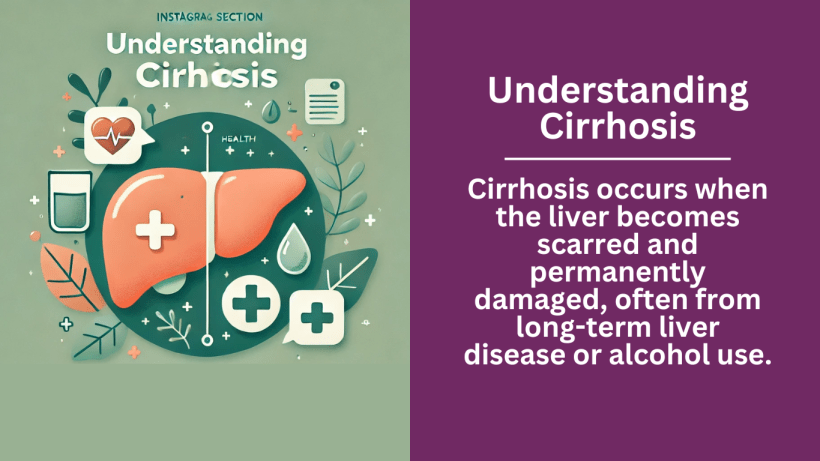
Understanding Cirrhosis
Let me start here by saying that the knowledge about Cirrhosis is changing every day. It was not that long ago that I remember hearing that it was the “Drunk’s Disease.” TIme has changed and research has shown that Cirrhosis can be linked to many different factors, being overweight, not paying attention to the quality of foods going into your body, lack of exercise, and even Diabetes can lead to liver disease, if left unchecked can become Cirrhosis. Mine was a combination of weight/diet issues and abusing over the counter pain medication for the pain I was constantly dealing with instead of seeking medical help. Years of abuse to my liver has landed me where I am now.
Cirrhosis occurs when the liver becomes scarred and permanently damaged, often from long-term liver disease or alcohol use. A healthy liver plays a vital role in breaking down nutrients, storing energy, and removing toxins from the blood. When it doesn’t function properly, your diet becomes even more important. Eating the right foods can help you manage symptoms, reduce complications, and support the liver’s remaining healthy tissue.
Cirrhosis will have an impact on your metabolism, which means your body will no longer process nutrients correctly to convert them into energy. This will leave you feeling sluggish more often and your energy reserves will deplete faster. You lose the ability to process fats and sugars as you did before and as such, will turn to fat that will be stored around your organs and help speed up issues related to Cirrhosis. You lose the ability to produce adequate enough levels of protein, which is needed for clotting in your blood, maintaining fluid balances, growing muscle, and so much more. Your liver also filters toxins out of your blood. As it becomes more damaged, that ability lessens and leaves those toxins in your body which can cause a host of other problems, one of which is called Hepatic Encephalopathy.

Best foods for Cirrhosis
CIrrhosis will, ultimately, send you on an adventure that you are not prepared for. There are few guide posts along the way, and limited quest helpers. Thankfully, the knowledge base for how to deal with and survive Cirrhosis is growing daily. For now, let’s learn some of the things you need to increase in your diet and why they are helpful.
I simply cannot stress this enough, stop using alcohol, whether you are drinking it, cooking with it, or even applying it to wounds… just stop. Your liver will thank you for it. The next biggest lesson I have for you is to reduce your salt intake by at least half of your current volume of intake and be prepared to reduce it again. Salt is bad for you, in the kind of quantities we take in unknowingly. Read your labels carefully, monitor what you use at the dinner table and when cooking. Your body needs salt to survive, but that amount is negligible to what most Americans put on their food on a daily basis.
Second, stop eating processed foods. You are better off dumpster diving than eating at a great many fast food restaurants or buying premade meals from the store. If you are unsure what all of the numbers mean on a nutrition label, let me know and I can work up an article going into that. Sodium is used heavily in those, as well as a cadre of things you can barely pronounce that have ill effects on your liver.
Lastly, reduce how much sugar you consume daily. Sugar that is in carbonated beverages, pastries, candy, and so many other things just becomes fat more than anything beneficial. Fat is stored in various places in your body, around organs (Visceral Fat), just under the skin (Subcutaneous Fat), and then there is essential fats (the ones your body actually needs.
Let’s dive into the foods that will be most beneficial for your life with Cirrhosis.
1. Liver-Friendly Proteins
Protein is essential for maintaining muscle mass and supporting healing, but some forms can stress the liver. Choose high-quality, lean sources such as:
- Legumes, beans, and lentils
- Plant-based meat alternatives (in moderation, not all meat substitutes are good for you)
- Eggs and egg whites
- Skinless poultry and fish (lower your red meat intake)
- Low-fat dairy or fortified dairy alternatives
2. High-Fiber Foods
Fiber helps remove toxins and waste from the body while supporting digestion. Aim to eat:
- Whole grains (quinoa, oats, brown rice)
- Leafy greens and colorful vegetables
- Fruits with skin like apples, pears, and berries (helpful note, skins of fruits and vegetables often contain the highest amount of the beneficial nutrients we need)
- Legumes and beans
3. Healthy Fats
Not all fats are bad. Healthy fats can reduce inflammation and support cell function. Incorporate:
- Avocados
- Olive oil
- Nuts and seeds (unsalted)
- Fatty fish like salmon or mackerel (omega-3 rich – essential for brain and heart function)
4. Hydration
Staying hydrated helps your body flush toxins and supports liver health. Before you start intaking more water, please check with your liver doctor, if you are on a liquid restriction please be mindful of your daily recommendations.
- Drink plenty of water daily
- Herbal teas (e.g., milk thistle, ginger, or dandelion root)
- Fresh veggie juices (carrot, beet, cucumber)
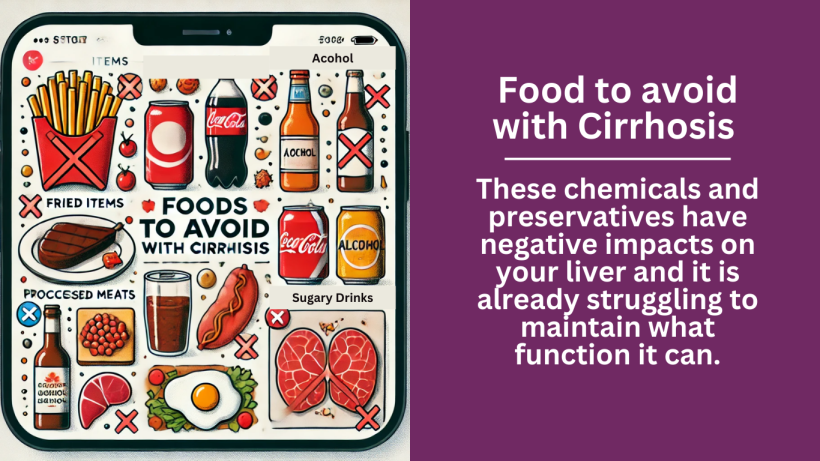
Foods to avoid with Cirrhosis
The list above shows us one thing that we need to keep foremost in our minds, the majority of that list is what is called Whole Foods or foods with minimal processing and mostly eaten in their natural states. Buying prepared foods introduces chemicals to help keep it preserved and ready to eat. These chemicals and preservatives have negative impacts on your liver and it is already struggling to maintain what function it can. Give it a hand and start reducing those bad foods we are often so in love with.
1. Processed & High-Sodium Foods
Sodium causes fluid retention, which can lead to swelling and ascites (fluid buildup in the abdomen).
- Canned soups, frozen meals, and salty snacks
- Deli meats, bacon, sausage
- Packaged sauces and seasonings
2. Sugar & Refined Carbohydrates
Too much sugar can lead to fat buildup in the liver.
- Sodas, candy, baked goods
- White bread, white rice, pasta (white breads, white rice, and white sugar all go through chemical processes to “refine” them and makes them harder on the body)
- Sugary breakfast cereals
3. Alcohol & Excess Caffeine
Alcohol further damages the liver, and caffeine in large amounts may add stress to the system.
- Avoid all alcoholic beverages
- Limit coffee and energy drinks
4. Saturated & Trans Fats
These fats contribute to inflammation and fatty liver buildup.
- Fried foods
- Fast food burgers
- Heavy dairy and butter products
I know, you are sitting there thinking the same things I did, when I got my diagnosis. How can I do all of this? You are asking me to change my entire life, give up the things I love, and live a life of struggle and bad tasting foods. I switched to becoming a vegetarian around this same time, to help lower my blood pressure and help my liver as much as possible. I stood in the grocery store, on the canned tuna aisle thinking, “how will I ever get enough protein in my diet, I cant eat canned meat due to the chemicals, I have to give up red meats due to their issues, and change the way I have eaten and lived my entire life. I nearly had a melt down. After climbing down off my cross, my boyfriend – who has been a vegetarian for over 20 years – smiled and said we got this. That day started my education in how to do better, small steps at a time. I still consume the candy I preach about, but in manageable and portioned doses. I have not given up coffee, I just take it black now. I still go to Taco Bell or Chipotle on occasion, and I mean on an occasion, like once a month level occasion.

Practical diet tips for managing Cirrhosis
There have been so many lessons that have made this a bit more manageable to deal with, from meal prepping on weekends, daily exercising, maintaining routines of meds, and just trying to eliminate stress anywhere I can. This all helps, more than you will ever realize. But, let’s just get you a basic plan in place, one that you can build on, adapt, and grow with.
- Plan balanced meals with a mix of protein, fiber, and healthy fats
- Cook from scratch to control salt and sugar intake
- Eat smaller, frequent meals to ease digestion
- Read food labels and avoid high-sodium or added sugars
- Consult a dietitian or hepatologist for personalized plans

The proof, as they say, is in the pudding
A healthy diet can’t cure cirrhosis, but it can improve your quality of life and slow disease progression. By focusing on liver-supportive foods and avoiding harmful ones, you can give your body the tools it needs to manage the condition more effectively. Always check with your healthcare provider before making major dietary changes, and remember: every meal is a chance to support your liver and your health.
My team of doctors remind me of my progressions, every time I see them. When I was diagnosed, I weighed 300 lbs, did not think about what I ate, did not exercise more than walking to bed or the bathroom (work is in there too), or gave much thought to anything else.Today, I weigh 198 lbs, I run 15 miles a week, work out five days a week, keep a watch on calories, what I eat, and how I feel. All of that has led me to being one of the few people they see that have made the kind of progress I have – so they say. Each of you, reading this, can affect those same changes, in your own ways. It isnt magic, divine intervention, it is simply the desire to stay here a bit longer and show just one more thing that you are a fighter and you will not back down easily.
Is it time for you to make a change to your lifestyle? Maybe you have recently been diagnosed with Cirrhosis or some other terminal disease, how did that make you feel and how do you feel now? Was there anything in this article that gave you a different way of thinking? If so, let me know in the comments below. Remember that each and everyone of you are the reasons that GayintheCLE is what it is. Thank you and keep on fighting.


 Gay in the CLE