
The majority of my life, I can honestly say that exercise and I were not acquainted. In fact, I dont think we lived in the same city. Sure, I would visit exercise on occasion. Like when I felt like grabbing my camera and going on a hike or something similar. Even then, it was more like I was looking at it from a distance. If you had asked me then if I would lose a lot of weight, become a runner, and work out five days a week, I would have laughed in your face before telling you to get out of mine. But, like so many things in life, changes happen. Cirrhosis has me looking at life differently and making better choices Here are one exercise tidbits I picked up along the way.
Incorporating strength and endurance training into your fitness routine can significantly improve your overall health and well-being. By strengthening your muscles and increasing your stamina, you can enhance your daily activities, reduce the risk of injuries, and boost your confidence. This article will provide a detailed guide to safe and effective exercises that can help you achieve your strength and endurance goals. As with all health advice, please talk to your medical team before attempting any kind of physical activity
Grab your trainers and get changed into your workout kit as I discuss, Building Strength and Endurance: A Comprehensive Guide to Safe and Effective Exercises.
- Strength Training
- Endurance training
- Combining strength and endurance
- Safety considerations for Cirrhosis patients
- One foot in front of the other
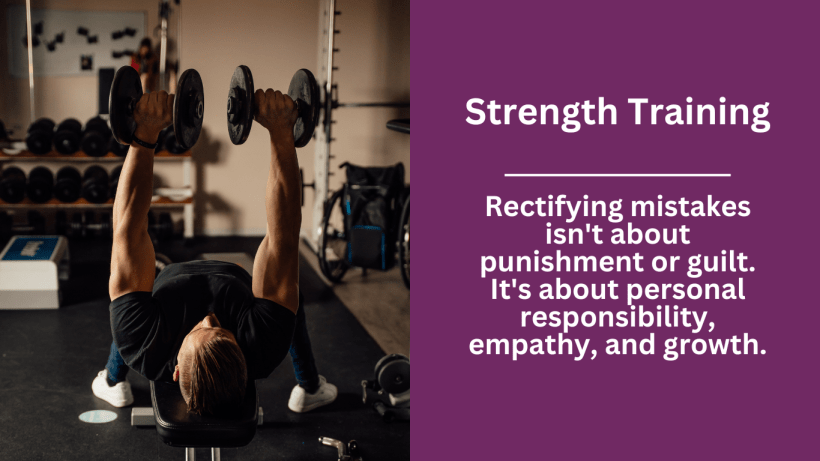
Strength Training
Strength training involves exercises that work your muscles against resistance. This resistance can come from weights, bodyweight, resistance bands, or machines. Regular strength training can help build muscle mass, increase bone density, and improve metabolism.
Key Exercises for Strength Training:
- Compound exercises: These exercises work multiple muscle groups simultaneously, making them efficient for building overall strength. Examples include squats, lunges, deadlifts, bench presses, rows, and overhead presses.
- Isolation exercises: These exercises target specific muscle groups, allowing for more focused development. Examples include bicep curls, tricep extensions, calf raises, and shoulder presses.
- Bodyweight exercises: These exercises use your own body weight as resistance, making them convenient and accessible. Examples include push-ups, pull-ups, planks, and burpees.
Safety Precautions:
- Proper form: Ensure you use correct form to avoid injuries and maximize the effectiveness of each exercise. Consider consulting with a personal trainer or fitness professional for guidance.
- Gradual progression: Start with lighter weights and gradually increase the resistance as you get stronger.
- Listen to your body: Pay attention to any pain or discomfort and avoid overtraining.
- Warm-up and cool-down: Before and after your workout, perform light cardio and stretching to prepare your body and aid recovery.
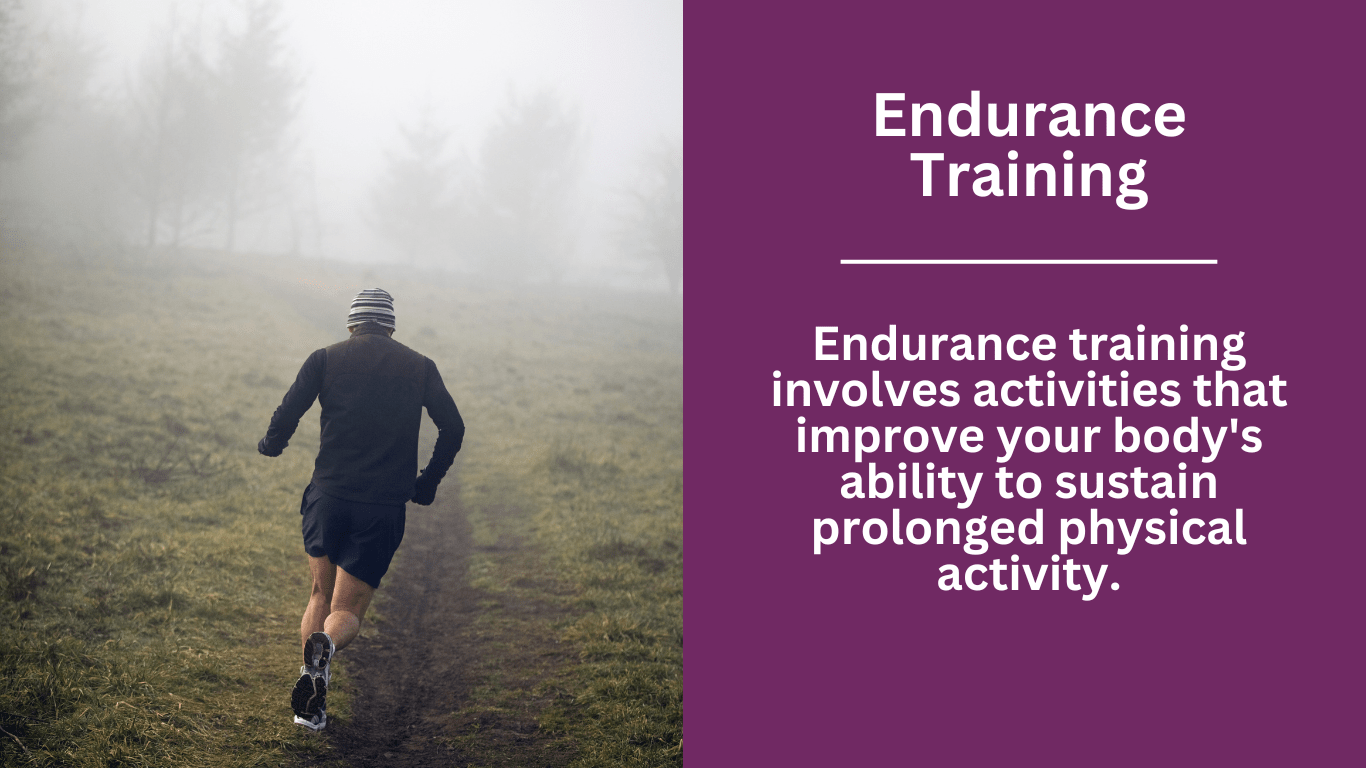
Endurance training
Endurance training involves activities that improve your body’s ability to sustain prolonged physical activity. This type of training can enhance your cardiovascular health, stamina, and overall fitness.
Key Exercises for Endurance Training:
- Cardiovascular exercises: These activities elevate your heart rate and improve your cardiovascular fitness. Examples include running, cycling, swimming, dancing, and rowing.
- Interval training: This involves alternating between high-intensity bursts of activity and periods of rest. Interval training can be a highly effective way to improve endurance and burn calories.
- Continuous training: This involves maintaining a steady pace for an extended period. Continuous training can help build endurance and improve your ability to sustain effort.
Safety Precautions:
- Consult a doctor: Before starting a new exercise regimen, especially if you have any underlying health conditions, consult with your healthcare provider.
- Proper footwear: Wear appropriate footwear to reduce the risk of injuries.
- Stay hydrated: Drink plenty of water before, during, and after your workouts to avoid dehydration.
- Listen to your body: Pay attention to any signs of fatigue or discomfort and adjust your intensity accordingly.
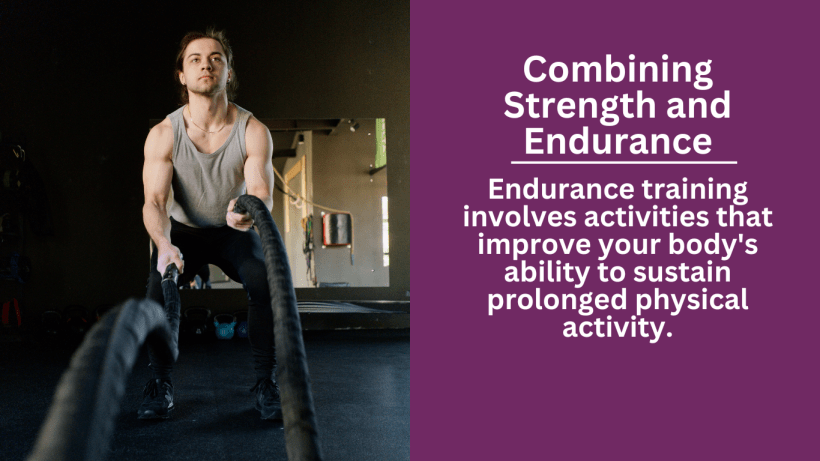
Combining strength and endurance
While strength and endurance training are often considered separate components of fitness, combining them can provide numerous benefits. By incorporating both types of exercises into your routine, you can improve your overall athletic performance, reduce the risk of injuries, and enhance your quality of life.
Here are some effective ways to combine strength and endurance training:
- Circuit training: Alternate between strength and cardio exercises in a circuit format.
- Cross-training: Incorporate a variety of activities, such as running, cycling, swimming, and weightlifting, into your routine.
- Interval training: Combine high-intensity interval training (HIIT) with strength exercises for a challenging and effective workout.
By following the guidelines outlined in this article, you can safely and effectively improve your strength and endurance. Remember to listen to your body, progress gradually, and enjoy the process. With consistent effort and dedication, you can achieve your fitness goals and experience the many benefits of a healthy and active lifestyle.
Safety considerations for Cirrhosis patients
Cirrhosis can significantly impact a person’s physical capabilities and overall health. It’s essential for individuals with cirrhosis to consult with their healthcare provider before starting any new exercise regimen. While exercise can be beneficial, it’s crucial to approach it with caution to avoid complications.
Key Safety Concerns:
- Fatigue and Weakness: Cirrhosis can lead to fatigue and muscle weakness, making it important to listen to your body and avoid overexertion.
- Bleeding Risk: People with cirrhosis may have a higher risk of bleeding due to impaired blood clotting. Strenuous exercise can increase blood pressure and the risk of internal bleeding.
- Ascites: If you have ascites (fluid buildup in the abdomen), excessive exercise can worsen the condition.
- Hepatic Encephalopathy: Exercise can sometimes trigger hepatic encephalopathy, a condition characterized by confusion and altered mental state.
- Liver Inflammation: In some cases, intense exercise can lead to increased liver inflammation.
Safe Exercise Guidelines for Cirrhosis Patients:
- Consult Your Doctor: Always seek advice from your healthcare provider before starting any new exercise routine. They can assess your condition and recommend appropriate activities.
- Start Gradually: Begin with low-intensity exercises and gradually increase the duration and intensity as tolerated.
- Listen to Your Body: Pay attention to your body’s signals. If you experience fatigue, shortness of breath, or discomfort, stop and rest.
- Avoid Strenuous Activities: Avoid high-impact exercises or activities that involve heavy lifting or straining.
- Stay Hydrated: Drink plenty of fluids to prevent dehydration, especially during exercise.
- Monitor Your Vital Signs: If you have a blood pressure monitor or pulse oximeter, monitor your vital signs before and after exercise.
- Consider Aquatic Exercise: Swimming or water aerobics can be low-impact options that provide cardiovascular benefits.
- Mindfulness and Relaxation Techniques: Incorporate mindfulness practices like yoga or tai chi to reduce stress and improve overall well-being.
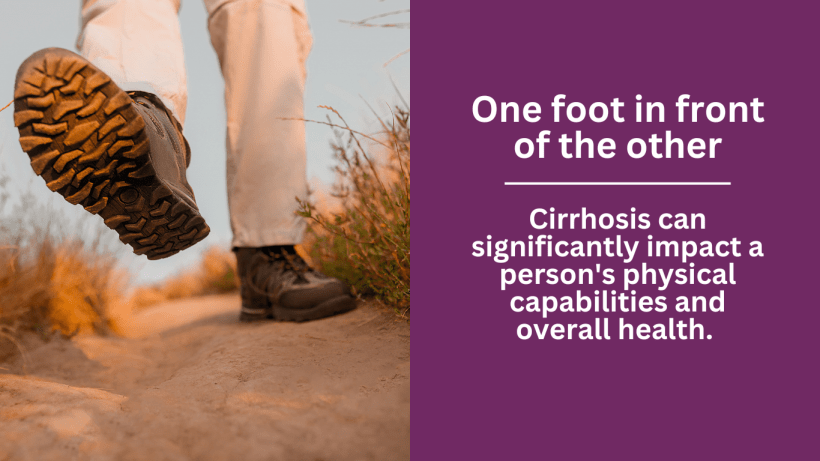
One foot in front of the other
There you have it, a beginner’s guide to strength and endurance training to help manage Cirrhosis and to get you in better health. CIrrhosis is not easy on your body but that doesn’t mean that you cannot keep the symptoms in check and work to be a stronger and healthier patient. We have to be smarter about how we approach things but it doesn’t mean we have to just sit back and wait for the inevitable. Combining the right diet programs, exercise programs, and medical visits and you will have what you need to approach a better way to manage this disease.
What do you think? Was there any information here that you had not thought of before? Maybe you thought you would not be able to do much to fight back against Cirrhosis, do you now feel that you have a place to start from? If you have any questions about cirrhosis, let me know in the comments below and I will do the best to help where I can. Just remember I will never tell you what is best to treat your situation, each of us react to this disease in a unique way and we need our medical team to help us find the best strategy to fight it. These are just additional tools. Thank you for taking the time to read this article and I hope it was helpful in some way. Each of you are why I write and share information. Thank you for being a part of GayintheCLE.


 Gay in the CLE