
For many, vegetarianism conjures up images of rabbit food and bland salads. But what if I told you there’s a whole world of flavor waiting to be explored, one that embraces all the bounty of the plant kingdom? Ovo-lacto vegetarianism is a dietary lifestyle that forgoes meat, poultry, and fish, but welcomes dairy products and eggs. This opens up a treasure trove of culinary possibilities, allowing us to reimagine classic comfort foods into vegetarian masterpieces.
Today, let’s discuss how to rethink those tired of meat eating classics to something a bit more healthy and veggie friendly in an essay I call, Vegetarian Comfort Food: Meatless Masterpieces That Satisfy.
Rethinking the classics
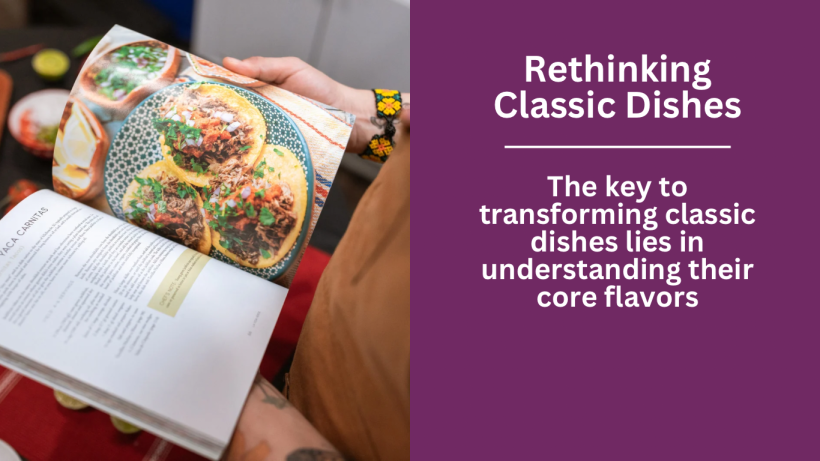
The key to transforming classic dishes lies in understanding their core flavors and textures. Craving a juicy burger? A portobello mushroom marinated in a savory blend of herbs and spices can be grilled to perfection, offering a meaty bite with a burst of umami. Do you adore lasagna? Layers of roasted vegetables, creamy ricotta cheese, and marinara sauce can create a vegetarian version that’s just as satisfying, if not more.
Here are two recipe ideas to inspire your vegetarian culinary journey:
Recipe 1: Lentil Shepherd’s Pie
This hearty dish takes the comforting flavors of shepherd’s pie and gives it a vegetarian twist. Lentils replace the ground lamb, simmered in a rich gravy with vegetables like carrots, peas, and corn. Golden mashed potatoes top it all off, creating a perfect winter warmer.
This hearty and flavorful dish is a perfect example of how vegetarian food can be both comforting and satisfying. Lentils provide a rich, meaty texture, while the vegetables add pops of color and flavor. Topped with creamy mashed potatoes, it’s a guaranteed crowd-pleaser.
Ingredients:
- For the Lentil Filling:
- 1 tablespoon olive oil
- 1 medium onion, chopped
- 2 carrots, peeled and diced
- 2 celery stalks, diced
- 2 cloves garlic, minced
- 1 teaspoon dried thyme
- 1/2 teaspoon dried rosemary
- 1 cup brown lentils, rinsed
- 4 cups vegetable broth
- 1 (14.5 oz) can diced tomatoes, undrained
- 1/2 cup frozen peas
- 2 tablespoons tomato paste
- Salt and freshly ground black pepper, to taste
- For the Mashed Potato Topping:
- 4 medium potatoes, peeled and cubed
- 1/2 cup milk (dairy or plant-based)
- 2 tablespoons butter (dairy or vegan butter)
- Salt and freshly ground black pepper, to taste
Instructions:
- Make the Lentil Filling: Heat olive oil in a large pot or Dutch oven over medium heat. Add onion, carrots, and celery and cook until softened, about 5 minutes. Stir in garlic, thyme, and rosemary and cook for another minute.
- Add lentils, vegetable broth, diced tomatoes, and tomato paste. Bring to a boil, then reduce heat and simmer for 20-25 minutes, or until lentils are tender. Stir in frozen peas and cook for another 2-3 minutes. Season with salt and pepper to taste.
- Prepare the Mashed Potatoes: While the lentil filling simmers, cook potatoes in a pot of boiling salted water until tender, about 15-20 minutes. Drain potatoes and return them to the pot.
- Heat milk and butter in a saucepan over medium heat until butter melts. Mash potatoes with the milk mixture until smooth and creamy. Season with salt and pepper to taste.
- Assemble the Pie: Preheat oven to 375°F (190°C). Transfer the lentil filling to a baking dish. Top with mashed potatoes, spreading evenly to cover the filling.
- Bake for 20-25 minutes, or until the edges of the mashed potatoes are golden brown. Let cool slightly before serving.
Tips:
- For a richer flavor, add a tablespoon of Worcestershire sauce (vegetarian option) to the lentil filling.
- If the lentil filling seems too watery, simmer it for a few extra minutes without the lid to allow some of the liquid to evaporate.
- For a vegan option, use plant-based milk and butter in the mashed potatoes.
- Leftovers can be stored in an airtight container in the refrigerator for up to 3 days. Reheat in the oven at 375°F (190°C) until warmed through.
Enjoy this delicious and comforting vegetarian take on a classic dish!
Recipe 2: Vegetarian Chili with a Smoky Chipotle Twist
A vegetarian chili can be just as flavorful and satisfying as its meat-based counterpart. Kidney beans and black beans form the base, simmered in a spicy tomato broth with bell peppers, onions, and corn. Top it off with shredded cheese, avocado slices, and a dollop of sour cream for a complete and delicious meal.
Ingredients:
- 1 tablespoon olive oil
- 1 medium onion, chopped
- 2 cloves garlic, minced
- 1 red bell pepper, diced
- 1 green bell pepper, diced
- 1 jalapeño pepper, seeded and minced (optional)
- 1 teaspoon ground cumin
- 1 teaspoon chili powder
- 1/2 teaspoon smoked paprika
- 1/4 teaspoon dried oregano
- 1 (14.5 oz) can diced tomatoes, undrained
- 1 (15 oz) can black beans, rinsed and drained
- 1 (15 oz) can kidney beans, rinsed and drained
- 1 (15 oz) can corn, drained
- 4 cups vegetable broth
- 1-2 canned chipotle peppers in adobo sauce, chopped (depending on desired spice level)
- 1 tablespoon tomato paste
- Salt and freshly ground black pepper, to taste
- Toppings (optional): shredded cheese, chopped avocado, sour cream, chopped fresh cilantro, lime wedges
Instructions:
- Heat olive oil in a large pot or Dutch oven over medium heat. Add onion, garlic, bell peppers, and jalapeño (if using) and cook until softened, about 5 minutes.
- Stir in cumin, chili powder, smoked paprika, and oregano. Cook for another minute, allowing the spices to bloom.
- Add diced tomatoes, black beans, kidney beans, corn, vegetable broth, chipotle peppers in adobo sauce, and tomato paste. Bring to a boil, then reduce heat and simmer for 30 minutes, or until flavors meld and chili thickens.
- Season with salt and pepper to taste. Let the chili simmer for another 5-10 minutes to allow the flavors to further develop.
- Serve: Ladle chili into bowls and top with your favorite toppings, such as shredded cheese, chopped avocado, sour cream, chopped fresh cilantro, and lime wedges.
Tips:
- For a thicker chili, mash some of the beans against the side of the pot with a fork.
- If you don’t have chipotle peppers in adobo sauce, you can substitute with 1/2 teaspoon of smoked paprika and a pinch of cayenne pepper.
- This chili is even better the next day! Leftovers can be stored in an airtight container in the refrigerator for up to 3 days. Reheat on the stovetop over medium heat until warmed through.
Enjoy this delicious and satisfying vegetarian twist on a classic chili recipe!
Balanced Vegetarian Plate: Protein, Fats & Carbs
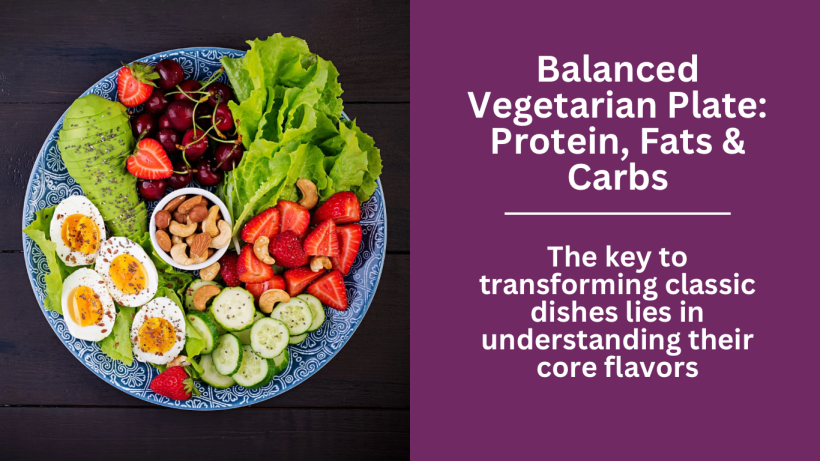
While meat is often seen as the primary source of protein, vegetarian diets are full of protein powerhouses. Lentils, beans,tofu, tempeh, and eggs are all excellent protein sources. Don’t forget healthy fats – nuts, seeds, and avocados provide essential nutrients and add richness to vegetarian dishes. Complex carbohydrates found in whole grains and starchy vegetables provide sustained energy and keep you feeling full for longer.
Here are some examples of plant-based proteins and their protein content per 100 gram serving according to the USDA National Nutrient Database for Standard Reference [1]:
- Legumes:
- Lentils (cooked): 18 grams
- Black Beans (cooked): 15 grams
- Chickpeas (cooked): 19 grams
- Nuts and Seeds:
- Almonds: 21 grams
- Peanuts: 25 grams
- Chia Seeds: 16 grams
- Hemp Seeds: 31 grams
- Soy Products:
- Tofu: 8 grams
- Tempeh: 16 grams
- Edamame (cooked): 12 grams
- Grains:
- Quinoa (cooked): 8 grams
- Oats (cooked): 6 grams
- Vegetables:
- Broccoli: 3 grams per 100 gram serving [1]
Bonus Tip: It can be hard to get enough protein from just strictly the above examples. One way I have learned to compensate in getting enough protein is with the addition of protein shakes. I have tried many and a good deal always have this powder, almost chalky tastes. The one that I still use to this day is Spiru-tein. It is an algae based protein mix that included all the essential macronutrients, as well. I opt for the unsweetened vanilla variety and add fruits to it for sweetness. Perfect after workout fuel up.
Here are some examples of healthy fats and their benefits:
Monounsaturated Fats:
- Sources: Avocados, olive oil, nuts (almonds, cashews, peanuts), seeds (sesame seeds, pumpkin seeds)
- Benefits:
- May help lower LDL (bad) cholesterol and raise HDL (good) cholesterol
- May contribute to healthy blood sugar management
- May promote heart health
- May aid in cell growth and repair
Polyunsaturated Fats:
- Sources: Fatty fish (salmon, tuna, mackerel), flaxseeds, chia seeds, walnuts, sunflower seeds, soybean oil
- Benefits:
- Include omega-3 and omega-6 fatty acids, essential for brain function and development
- May help reduce inflammation
- May contribute to heart health
- May improve cognitive function
Here are some additional details about specific healthy fats:
- Omega-3 fatty acids: Particularly important for brain health and development, may also help reduce inflammation and improve eye health. Aim for at least two servings of fatty fish per week.
- Avocado: Rich in monounsaturated fats and also provides important vitamins and minerals like potassium and vitamin E.
Remember: While healthy fats are beneficial, it’s important to consume them in moderation as they are still high in calories.
Here are some examples of complex carbohydrates and their benefits:
Whole Grains:
- Sources: Brown rice, quinoa, oats, whole-wheat bread, barley, buckwheat
- Benefits:
- Provide sustained energy due to their slow and steady digestion
- Rich in fiber, promoting gut health and regularity
- May help regulate blood sugar levels
- May contribute to lower cholesterol levels
- Contain essential vitamins, minerals, and antioxidants
Starchy Vegetables:
- Sources: Potatoes, sweet potatoes, corn, peas, beans, lentils
- Benefits:
- Provide sustained energy like whole grains
- Good source of fiber, vitamins, and minerals
- Can be a good source of antioxidants (especially sweet potatoes)
- Can help you feel fuller for longer due to their fiber content
Non-Starchy Vegetables:
- Sources: Leafy greens (spinach, kale), broccoli, cauliflower, Brussels sprouts, asparagus
- Benefits:
- Though lower in complex carbohydrates than starchy vegetables, they still provide some energy
- Excellent source of fiber, vitamins, and minerals
- Rich in antioxidants that can protect against chronic diseases
Here are some additional points to consider:
- The glycemic index (GI) can be helpful when choosing complex carbs. It ranks foods based on their impact on blood sugar levels. Lower GI complex carbs are digested more slowly and cause a smaller blood sugar spike.Examples of low GI complex carbs include lentils, beans, and whole grains like oats and barley.
Remember: A balanced diet includes a variety of complex carbohydrates from whole grains, vegetables, and fruits. This ensures you get a good range of nutrients and sustained energy throughout the day.

Keep it balanced
By embracing plant-based proteins, healthy fats, and complex carbohydrates, you can create delicious and satisfying vegetarian dishes that nourish your body and tantalize your taste buds. So, ditch the preconceptions, and dive into the world of vegetarian cooking – a world where flavor knows no bounds!
Have you considered becoming a vegetarian? Maybe you are worried that the change would be too much to make it through? Did this article help with any of your thoughts? Let me know in the comments below. Thank you to each and everyone of you all. You make GayintheCLE what it is and keep me coming back for more.


 Gay in the CLE