
Being diagnosed with cirrhosis is a scary thing. All of my life, I only heard how deadly it was and that it was a death sentence. I was terrified when I found out I had cirrhosis. Imagine my surprise of going in expecting to only hear that I have high blood pressure and need to lose weight but find this out, as well. What follows came from all of my initial questions and fears. This is meant more as a comfort tool to let you know that you are not alone. If you are reading this, know that there are others going through the same fear and struggles you are and we are here to help.
I thought I would make this article a little different. In the past, i have discussed specific topics about cirrhosis. I have talked about changes I made, exercise I still do, and such. Each of those are great but the one thing that seemed to be missing was a good beginning article. A sort of, how to get started with your new life and cirrhosis, if you will. So, lets dive into Living with Cirrhosis PT 1: Your Roadmap to a Healthier You
Important things to remember: I am not a doctor nor is the medical advice that should take the place of anything your doctor tells you that you need to do. I am only providing information into lessons I have learned, since my diagnosis. My hopes are that some of this information will be useful to you.
- Three Years Strong: Living and Thriving with a Cirrhosis Diagnosis
- Diet: Your Body’s Best Friend
- Weight Management: A Delicate Dance
- Changes and Tests: Working with Your Doctor
- Mental Strength: Finding the Positive
- All about perspective
Three Years Strong: Living and Thriving with a Cirrhosis Diagnosis
Three years ago, I received the news that changed my life: cirrhosis. It was a shock, and like many, I wasn’t sure what the future held. But here’s the thing – a diagnosis doesn’t have to be a death sentence. It can be a wake-up call, an opportunity to take charge of your health and live a fulfilling life. Today, I want to share what the first year of my journey was like, focusing on the changes I made and how they empowered me.

Diet: Your Body’s Best Friend
Food became my biggest ally. I learned that a healthy diet for cirrhosis is all about giving your liver the support it needs. Here’s what became staples in my kitchen:
- Fresh Fruits and Vegetables: Packed with vitamins, minerals, and antioxidants, these powerhouses help your liver function optimally.
- Lean Protein: Fish, chicken, beans, and lentils provide essential building blocks for repair and keep you feeling strong.
- Whole Grains: Opt for brown rice, quinoa, and whole-wheat bread for sustained energy and healthy fiber intake.
- Healthy Fats: Avocados, nuts, and olive oil provide essential fats your body needs while being gentle on your liver.
Limit Sodium and Salt: Excess sodium can lead to fluid build-up, so processed foods and added table salt became a big no-no.
The Power of Balance
The key to a successful cirrhosis diet is balance. While some things need to be limited, others become even more crucial. Restricting calories can weaken your already stressed liver. On the other hand, indulging in sugary treats can put a strain on your body’s ability to process sugar. The goal is to find a healthy middle ground, providing your body with all the nutrients it needs to function properly and heal.
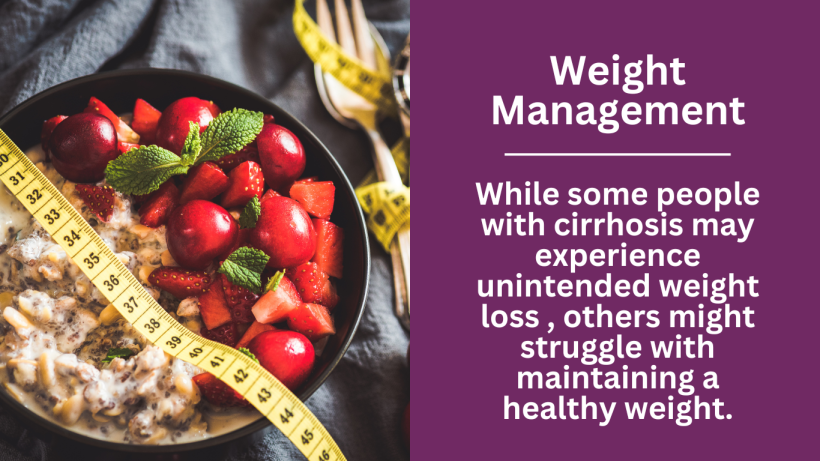
Weight Management: A Delicate Dance
Weight management is another important aspect of a cirrhosis diet. While some people with cirrhosis may experience unintended weight loss due to reduced appetite or nutrient malabsorption, others might struggle with maintaining a healthy weight. Working with a registered dietitian can help you develop a personalized plan to achieve or maintain a healthy weight. They can guide you on portion control, suggest protein-rich snacks, and ensure you’re getting enough calories from healthy sources to support your body’s needs.
Bonus tip: Remember, food is important for your body. By fueling it with the right nutrients, you’re giving your liver the best chance to heal and thrive.
Exercise: Moving Your Body Matters
While exercise might seem daunting, it’s incredibly beneficial for cirrhosis patients. Even gentle movement improves circulation, reduces fatigue, and helps maintain muscle mass. Here are some exercises I found perfect:
- Walking: It’s a simple, low-impact activity that gets your heart rate up and improves overall fitness.
- Swimming: The buoyancy of water takes pressure off your joints, making it a great option for a full-body workout.
- Yoga: Gentle yoga poses improve flexibility, balance, and stress management, all crucial for well-being.
- Strength Training (with moderation): Light weights or resistance bands can help maintain muscle mass, but always consult your doctor before starting.
The Power of Two: Cardio and Strength Training
The magic truly happens when you combine cardiovascular exercise with strength training. Cardio, like walking or swimming, helps your heart and lungs function efficiently. Strength training, even using bodyweight exercises or light weights, helps you maintain muscle mass. Muscle is metabolically active tissue, meaning it burns calories even at rest. This can be especially helpful for people with cirrhosis, as their bodies may struggle to process fats and sugars as efficiently. Building and maintaining muscle mass helps your body utilize these nutrients more effectively.
Keeping Weight Down: Why It Matters
A healthy weight is crucial for managing cirrhosis. When you have cirrhosis, your liver’s ability to process fats and sugars is compromised. Excess body fat, particularly visceral fat around your organs, puts further strain on your liver. This can lead to increased inflammation and worsen your condition. Maintaining a healthy weight through a balanced diet and exercise helps ease the burden on your liver, allowing it to function more efficiently and potentially slow disease progression.
Calorie Intake and Food Choices: A Delicate Balance
It’s important to focus not just on what you eat, but also on how much. While fad diets or excessive calorie restriction might seem tempting, they can backfire with cirrhosis. Your body still needs enough energy to function and repair itself. The key is to prioritize nutrient-dense foods. Think lean protein sources, whole grains, and colorful vegetables. These foods provide the building blocks your body craves without overloading your system with empty calories or unhealthy fats. By working with a healthcare professional, you can determine the right caloric intake for your individual needs and ensure you’re getting the most out of every bite.

Changes and Tests: Working with Your Doctor
The first year involved regular doctor visits and tests to monitor my condition. These may include:
- Blood Tests: To assess liver function, blood cell count, and kidney function.
- Imaging Tests: Ultrasounds or CT scans to monitor your liver and check for complications.
- Endoscopy: To check for esophageal varices (enlarged veins that can bleed).
Changes in Your Body: The First Year
The first year with cirrhosis can be a period of adjustment for your body. You might experience some changes, including:
- Fatigue: This is a common symptom, and it can be caused by a combination of factors, including reduced liver function and anemia.
- Loss of Appetite: Scarring in the liver can make it difficult for your body to process nutrients, leading to nausea and a decreased desire to eat.
- Easy Bruising: Cirrhosis can affect blood clotting, making you more prone to bruising or bleeding.
- Itchy Skin: This can be a frustrating symptom caused by a buildup of bile salts in the bloodstream.
- Swelling in the Abdomen (Ascites): Fluid retention is a common complication of cirrhosis and can cause bloating and discomfort.
It’s important to communicate any changes you experience to your doctor. They can help you manage these symptoms and ensure you’re receiving the right treatment to slow disease progression and improve your quality of life.
Understanding Your Bloodwork: A Window into Your Health
Regular blood tests are crucial for monitoring your cirrhosis and preventing complications. Here’s a closer look at what they track:
- Liver Function Tests: These measure enzymes and proteins like ALT, AST, and bilirubin. Elevated levels can indicate cell damage, inflammation, or bile flow problems in the liver.
- Blood Cell Count: A low red blood cell count (anemia) can cause fatigue and weakness. Cirrhosis can also affect platelet count, which is important for blood clotting.
- Kidney Function Tests: Monitor the health of your kidneys, which can sometimes be stressed by compromised liver function.
Early detection of abnormalities allows your doctor to intervene and manage potential complications. In severe cases, a buildup of toxins in the bloodstream due to impaired liver function can lead to hepatic encephalopathy, a condition affecting brain function. Symptoms can range from confusion and forgetfulness to slurred speech and even coma. Regular blood tests help identify these issues early so treatment can be adjusted to prevent this serious complication.
Cirrhosis can have a significant impact on your musculoskeletal system. Muscle breakdown, often referred to as sarcopenia, is a common complication. Reduced protein synthesis due to malnutrition and impaired liver function can lead to a decline in muscle mass and strength. This weakness can make everyday activities more difficult and increase your risk of falls. Additionally, cirrhosis disrupts the body’s ability to absorb calcium and vitamin D, essential nutrients for bone health. This can lead to osteoporosis, a condition that weakens bones and increases the risk of fractures. The combination of muscle weakness and fragile bones can significantly compromise your mobility and independence.
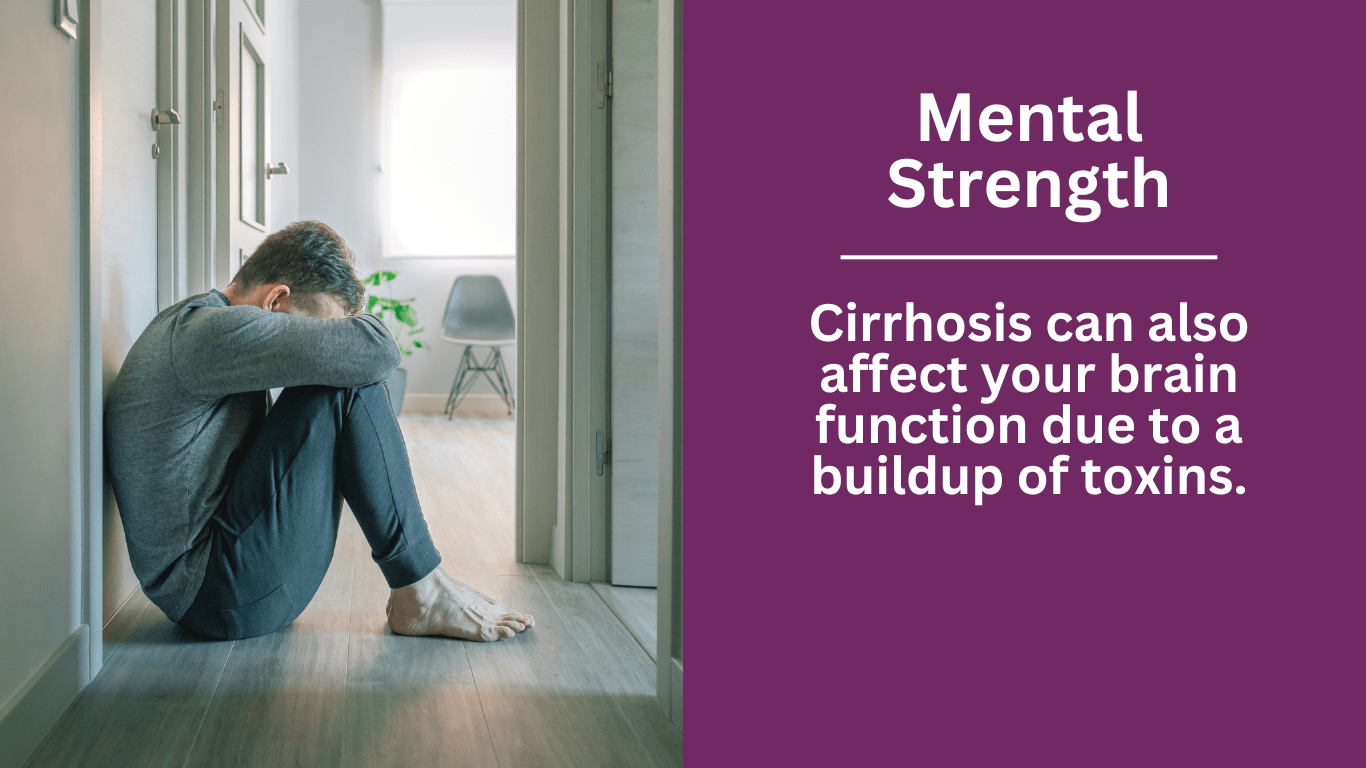
Mental Strength: Finding the Positive
Cirrhosis can be a mental and emotional rollercoaster. The diagnosis itself can trigger anxiety and fear about the future. The changes your body experiences, like fatigue and weakness, can lead to frustration and feelings of helplessness. Cirrhosis can also affect your brain function due to a buildup of toxins. This can manifest as difficulty concentrating, forgetfulness, and mood swings. In severe cases, hepatic encephalopathy can lead to confusion, paranoia, and even depression. Obsessive thoughts about your health or the future are common.
However, there are ways to manage these mental challenges. Talk therapy can be a great resource for processing your emotions and developing coping mechanisms. Joining a support group can connect you with others who understand your struggles. Focusing on what you can control, like maintaining a healthy diet and exercise routine, can empower you and reduce anxiety. Most importantly, remember you are not alone. With the right support system and a positive mindset, you can manage the mental and emotional aspects of cirrhosis.
A cirrhosis diagnosis can be emotionally overwhelming. But negativity won’t help. I focused on gratitude – for the amazing medical care available, for the support of loved ones, and for every good day I had. Here are some tips that helped me:
- Connect with Support Groups: Talking to others who understand is incredibly helpful.
- Practice Mindfulness Techniques: Meditation or deep breathing can help manage stress and anxiety.
- Focus on What You Can Control: Diet, exercise, and a positive attitude are powerful tools.

All about perspective
Remember, cirrhosis is a journey, and the first year is just the beginning. By taking charge of your health, embracing a healthy lifestyle, and staying positive, you can live a full and vibrant life, even with this diagnosis.
Have you been diagnosed with cirrhosis? If so, how long? Maybe you have a lot of fear about your diagnosis, did this article help? If not, what kind of information would help you? Let me know in the comments below. Make sure you look for the next article that will cover many of the changes you will see with cirhosis and how this article and the next will give you a good roadmap for navigating cirrhosis. See you in the next one.


 Gay in the CLE