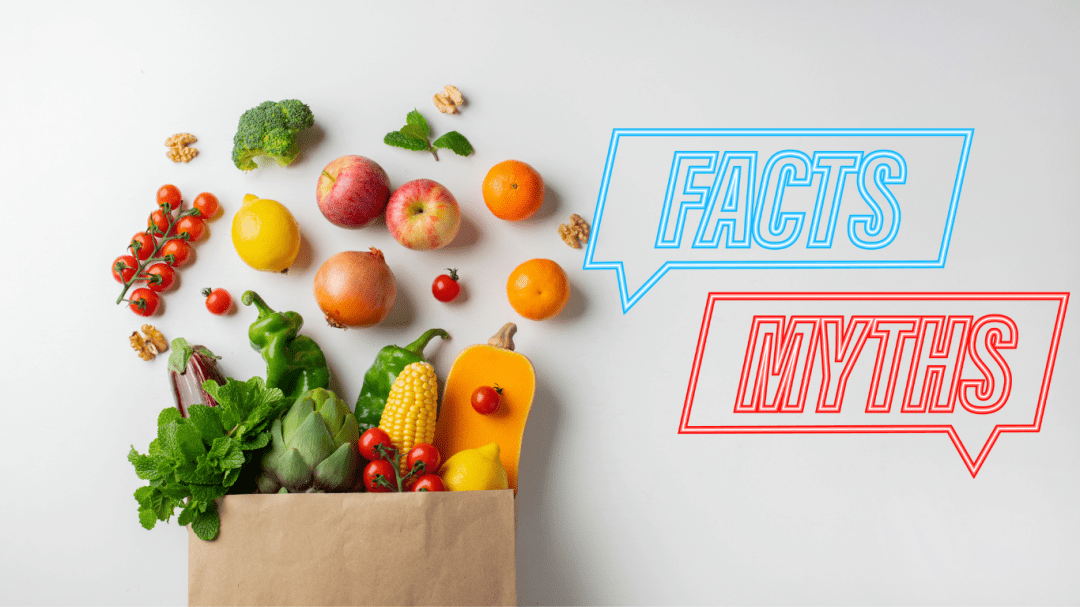
I remember a time in college when I met someone who was a full time vegetarian. I grew up in the Appalachian mountains and eating only vegetables was, pretty much, unheard of. This person ate mostly salads for lunch and dinner, on campus, But thye also subsisted on Doritos, french fries, and other what would be considered unhealthy snacks. I thought that if this is what a vegetarian is then it definitely is not for me. Little did I know how different being a vegetarian would be.
Being an ovo-lacto vegetarian for just over 3 years has been a journey of exploration and, frankly, a few stumbles. While the veggie life boasts incredible health benefits, there’s a misconception that simply ditching meat guarantees a halo-worthy diet. The truth? Vegetarianism, like any dietary path, requires vigilance. Today, we’ll debunk some common myths and expose the not-so-healthy choices that can lurk in our vegetarian paradise. Join me as we discuss, Vegetarian Myth Busters: Unveiling Sneaky Unhealthy Choices.
- The Processed Paradise Fallacy
- Making the Switch? Read the Label!
- The Cheese Trap
- The Alluring Aisle of Faux Meats
- The Juicing Trap: When Less is Not More
- Supplementing for Success
- The Takeaway: A Mindful Vegetarian Journey
The Processed Paradise Fallacy
Just because it’s labeled “vegetarian” doesn’t translate to “health food.” Highly processed vegetarian burgers, nuggets, and hot dogs are often loaded with sodium, unhealthy fats like saturated and trans fats, and fillers. These are the imposters that sneak refined carbohydrates and unwanted calories onto your plate.
Making the Switch? Read the Label!
Congratulations on taking the first step towards a healthier vegetarian lifestyle! But navigating the grocery aisles as a newfound label-reading ninja can feel overwhelming.
The key is to become a label-reading ninja. Look for ingredients like whole grains, legumes (beans, lentils), vegetables,nuts, and seeds. Choose vegetarian burgers made with black beans, quinoa, or lentils instead of soy isolates and fillers.Remember, “healthy vegetarian” is about incorporating whole, unprocessed foods.
Don’t worry, we’ve got you covered. Here’s a breakdown of what to prioritize and avoid when deciphering those sometimes-cryptic food labels:
Ingredients to Minimize or Avoid
- Added Sugars: Watch out for hidden sugars lurking under various names like sucrose, high fructose corn syrup,dextrose, or even “evaporated cane juice.” These can significantly increase your daily sugar intake, potentially leading to weight gain and other health problems. Aim for products with minimal added sugars, ideally less than 5 grams per serving.
- Saturated and Trans Fats: Saturated fats, often found in animal products and some processed foods, can raise LDL (“bad”) cholesterol levels. Trans fats, fortunately less common these days, are even worse for your heart health. Look for labels that state “0 grams trans fat” and limit saturated fat intake to less than 10% of your daily calories.
- Sodium: While sodium is an essential electrolyte, consuming too much can contribute to high blood pressure. Aim for products with less than 500mg of sodium per serving.
- Refined Grains: White bread, white rice, and many conventional pastas are stripped of their bran and germ during processing, losing valuable fiber and nutrients. Opt for whole-grain alternatives whenever possible.
Understanding the Numbers:
The “Nutrition Facts” panel is your key to deciphering the health content of a product. Here’s a breakdown of some key numbers:
- Serving Size: This is crucial! Pay attention to the serving size listed, as the nutrient content is based on that amount. It’s easy to underestimate how much you’re actually consuming.
- Calories: Calories provide energy, but consuming too many can lead to weight gain. This number gives you a general idea of how much energy a serving provides.
- % Daily Value (%DV): This percentage indicates how much a nutrient in a single serving contributes to your daily needs. Aim for higher percentages of essential vitamins and minerals and lower percentages of sodium, saturated fat, and added sugars.
Remember: The ingredient list is displayed in descending order by weight. So, ingredients listed first make up the bulk of the product.
Bonus Tip: Look for products with a short and recognizable ingredient list. The fewer the ingredients, the less processed the food is likely to be.
By becoming a label-reading detective, you’ll be empowered to make informed choices that fuel your healthy vegetarian journey!

The Cheese Trap
Ah, cheese. The melty, creamy, oh-so-satisfying dairy delight that can easily become a dietary nemesis for vegetarians. We all know it packs a protein and calcium punch, but full-fat varieties can be loaded with saturated fat and sodium.Here’s the good news: You don’t have to banish cheese from your vegetarian kingdom entirely. Let’s explore some strategies to navigate the “cheese trap” and enjoy it in a balanced way.
The Fat Factor:
The Fat Factor:
Full-fat cheeses can contain upwards of 20 grams of fat per ounce, with a significant portion being saturated fat. Saturated fat, while not inherently bad, should be consumed in moderation as it can contribute to elevated LDL (“bad”) cholesterol levels.
Low-Fat/Sodium to the Rescue (…Kinda)
Low-fat cheeses seem like the obvious solution. They typically contain around 3-6 grams of fat per ounce, a significant reduction. However, here’s the catch: to achieve this lower fat content, manufacturers often add stabilizers and thickeners,which may not be the healthiest option. Additionally, the reduced fat content can sometimes impact the flavor and texture of the cheese.
Cheese is naturally high in sodium, a concern for those watching their salt intake. Low-sodium cheeses offer a solution,bringing down the sodium content by 25-50%. However, some low-sodium options may taste bland compared to their full-fat counterparts.
Natural Cheese Champions:
The good news: some cheeses are naturally lower in fat and sodium than others. Here are a few champions to consider:
- Mozzarella: This light and stringy cheese is a lower-fat option, typically containing around 8 grams of fat per ounce. It’s also a good source of calcium. Enjoy it fresh on a Caprese salad or melted on a whole-wheat pizza.
- Cottage Cheese: This creamy, protein-packed cheese is a low-fat, low-sodium star. With only about 4 grams of fat and 80mg of sodium per ½ cup serving, it’s a versatile option. Enjoy it plain, with fruit, or as a base for a healthy dip.
- Ricotta Cheese: This light and fluffy cheese is another low-fat option, averaging around 4-8 grams of fat per ½ cup serving. It also boasts a good amount of calcium. Use it for creamy sauces, lasagna filling, or spread on whole-wheat toast with fruit.
- Parmesan Cheese: This hard, flavorful cheese packs a powerful umami punch. The beauty? You only need a small amount to add a burst of flavor to your dish. Because you use less, the overall fat and sodium content remains minimal. Grate it over pasta, salads, or soups.
Ultimately, the key to enjoying cheese as a vegetarian is moderation. Here are some tips:
- Portion Control: A small serving (around 1-2 ounces) goes a long way. Savor the flavor and enjoy it as part of a balanced meal.
- Shred Your Own: Pre-shredded cheese often contains added anti-caking agents. Shredding your own cheese at home allows you to control the portion and avoid these additives.
- Pair Wisely: Pair cheese with other nutritious ingredients to balance out the fat and sodium content. Pair mozzarella with a salad full of vegetables, or use ricotta cheese in a whole-wheat pasta dish with plenty of veggies.
By embracing these strategies, you can keep cheese as a delightful part of your vegetarian journey without it becoming a dietary roadblock. Calcium isnt only found in cheeses or milk, you can get great sources from leafy greens like kale and collard greens, plant based milks and tofu. Remember, it’s all about balance and enjoying these delicious treats in moderation.

The Alluring Aisle of Faux Meats
Vegetarianism opens a world of culinary exploration. There’s a vibrant tapestry of flavors and textures waiting to be discovered in legumes, lentils, tofu, tempeh, seitan, and countless vegetables. When we focus on replicating meat, we might miss out on the unique culinary delights the plant-based world offers. Think about it – a juicy portobello mushroom burger bursting with flavor is a satisfying experience in its own right, not a pale imitation of a beef burger.
Vegetarian meats can be a lifesaver when the craving for a familiar texture hits. However, some brands are loaded with sodium and unhealthy fats. Here’s the secret: moderation is key. Think of these as occasional treats, not dietary staples. Let’s explore why seeking meat replacements might be the wrong turn, and delve deeper into the potential health issues associated with some faux meats.
The Processing Problem:
Many faux meat products are highly processed. This means they undergo significant manipulation to achieve a meat-like texture and flavor. While this can be impressive from a technological standpoint, it often translates to a product packed with:
- Sodium Overload: Faux meats are notorious for being high in sodium. This can contribute to high blood pressure,a risk factor for heart disease and stroke.
- Added Sugars: Some brands sneak in added sugars to enhance flavor or browning. High sugar intake is linked to a variety of health problems, including obesity, type 2 diabetes, and heart disease.
- Unhealthy Fats: While some faux meats boast healthy fats like avocado oil, others may contain saturated fats or unhealthy trans fats, which can raise LDL (“bad”) cholesterol levels.
- Fillers and Additives: To achieve the desired texture, some brands use fillers like cellulose or gums. These may not be inherently harmful, but they offer little nutritional value.
- Read Labels Carefully: Look for brands with lower sodium, saturated fat, and added sugar content. Choose options with recognizable whole-food ingredients.
- Portion Control: Faux meats can be calorie-dense. Enjoy them in moderation and pair them with plenty of vegetables for a balanced meal.
- Homemade Alternatives: Consider making your own veggie burgers or crumbles using legumes, vegetables, and whole grains. This allows you to control the ingredients and customize the flavor profile.
Focus on whole foods
Instead of relying on processed faux meats, prioritize whole, unprocessed vegetarian staples like:
- Beans and Lentils: These nutritional powerhouses provide protein, fiber, iron, and other essential nutrients. Enjoy them in soups, stews, salads, or as a hearty main course.
- Tofu and Tempeh: These versatile soy-based products can be marinated, baked, stir-fried, or crumbled to mimic ground meat.
- Seitan: Made from wheat gluten, seitan has a chewy texture that can be used in stir-fries or vegan “steaks.”
- Vegetables: Don’t underestimate the power of a veggie burger! Portobello mushrooms, eggplant, or even sweet potatoes can create delicious and satisfying vegetarian burgers.
One other issue to contend with is the texture and taste being similar to meat. Maybe you are like my boyfriend where how close faux meat can be to real meat often turns your stomach. I know I have been there when cooking some of these impossible burger type replacements.
By embracing the diverse and delicious world of plant-based foods, and using faux meats strategically, you can create a healthy and satisfying vegetarian diet that goes beyond mere imitation. Remember, vegetarianism is a journey of exploration and discovery – embrace the unique flavors and textures the plant kingdom has to offer!
Bonus Tip: Stock your pantry with staples like beans, lentils, whole grains, nuts, and seeds. These versatile ingredients can be transformed into countless healthy and satisfying meals.

The Juicing Trap: When Less is Not More
Juicing has become a trendy health fad, but for vegetarians, it presents a unique challenge. While fruits and vegetables are essential for a healthy diet, juicing removes the fiber, a crucial component for digestion and gut health. Additionally,juicing concentrates the natural sugars present in fruits, potentially leading to a sugar overload.
Instead of juicing, prioritize whole fruits and vegetables. They provide fiber, vitamins, minerals, and antioxidants that are lost during juicing. Aim for a rainbow on your plate – include a variety of colors to ensure a good range of nutrients. Focus on creating balanced meals with a variety of colorful vegetables, whole grains like brown rice or quinoa, and lean protein sources like beans, lentils, eggs, or tofu. This diversity ensures you get the full spectrum of nutrients your body craves.
Supplementing for Success
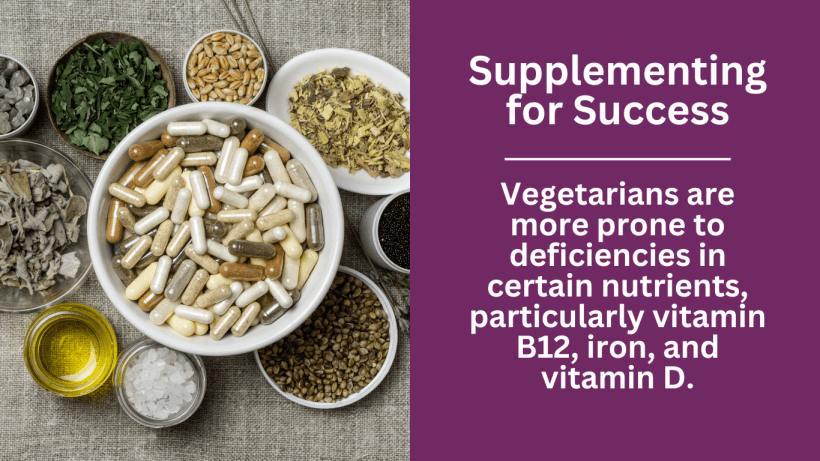
Vegetarians are more prone to deficiencies in certain nutrients, particularly vitamin B12, iron, and vitamin D. Consulting a registered dietitian can help you determine if you need supplements to fill these gaps. Vitamin B12 is primarily found in animal products, so vegetarians may need a B12 supplement. Iron is found in plant-based sources like beans, lentils, and fortified cereals, but absorption can be lower than from animal sources. Pairing iron-rich foods with vitamin C can help with absorption. Vitamin D is synthesized by the body with sunlight exposure, but vegetarians who live in areas with limited sunlight or those who avoid sun exposure for other reasons may need a supplement.
The Takeaway: A Mindful Vegetarian Journey
Building a healthy vegetarian diet requires awareness and planning. While it’s tempting to fall into the trap of processed convenience foods, remember, true health comes from whole, unprocessed ingredients. Read labels, prioritize whole foods, don’t fear healthy fats, and consider consulting a registered dietitian for personalized guidance. Embrace the joys of vegetarian cooking, explore new flavors and textures, and remember, a healthy vegetarian diet is a delicious and rewarding journey!
Are you a vegetarian? If so, do you use faux meats for any of your meals and if so, what do you think about them? Maybe you have contemplated being a vegetarian but the switch just seems impossible, has this article helped alleviate some of your worry? Let me know in the comments below. Thank you all again for being a part of GayintheCLE.


 Gay in the CLE