
Whoa there! Buckle up and get ready for a trip down memory lane, because we’re diving headfirst into the radical realm of 1980s video games. This decade wasn’t just about neon clothes and synth-pop; it was the prime time for pixelated adventures and epic controller battles. Let’s boot up and explore the consoles that brought gaming to the mainstream!’
If you are a GenXer, then there are things from the 80s that stand out in your mind. Video game arcades are one of those 80s specific memories we all seem to share. Everytime my mother took us shopping, I was asking for quarters so that I could play Donkey Kong, Pac-Man, Pitfall, and a host of others. The world changed when we got an Atari 2600, no longer would I need to stand in line to play my favorite games and it saved pocketfuls of quarters. So, let’s dive into Power Up: A Look Back at the Golden Age of Video Games (1980s)
- The Rise of the Machines: A Gaming Revolution
- Console Kings: A Look at the Top Contenders
- Top 8 Games of the 1980s: A Blast from the Past
- Pixels to Powerhouses: The Enduring Legacy of 80s Gaming

The Rise of the Machines: A Gaming Revolution
Remember the days before smartphones and fancy graphics? The 80s were all about pure, unadulterated fun with chunky controllers and limited palettes. It all started with the Atari 2600 (1977), the OG console that ignited the home video game craze. Though limited in its tech, titles like Pac-Man (1980) and Space Invaders (1978) had us glued to the screen, dodging ghosts and blasting aliens. The industry took a tumble in the early 80s, but the NES (Nintendo Entertainment System) launched in 1983, breathing new life into gaming. With its iconic controller and a library of fantastic games, the NES became the undisputed champion, selling over 60 million units worldwide.
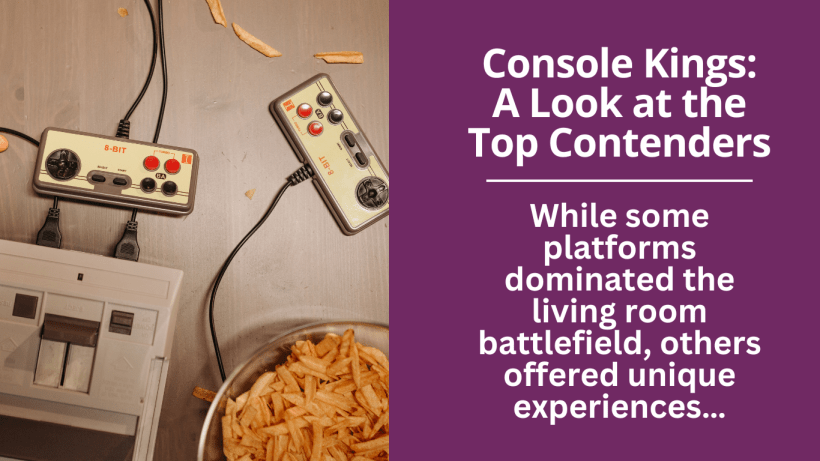
Console Kings: A Look at the Top Contenders
The 80s wasn’t a one-console race! While some platforms dominated the living room battlefield, others offered unique experiences and helped shape the gaming landscape. Let’s take a trip down memory lane and revisit the Console Kings:Atari’s groundbreaking 2600, the mighty NES, Sega’s challengers, and the late-to-the-party powerhouse, the Genesis.Each brought something special to the table, so grab your controllers and get ready to see who ruled the roost!
- Atari 2600 (1977): The granddaddy of them all, boasting an 8-bit processor and joystick controls. Though technically basic, classics like Pitfall! (1982) and E.T. the Extra-Terrestrial (1982 – yes, really!) secured its place in gaming history. (Estimated sales: 30 million)
- NES (Nintendo Entertainment System, 1983): The king of the 80s, sporting a powerful 8-bit processor and a slick controller with a D-pad (a revolutionary design at the time). It introduced us to Mario, Link, and Metroid,shaping the gaming landscape forever. (Estimated sales: 61.91 million)
- Sega Master System (1985): Sega’s answer to the NES, featuring an 8-bit processor and a unique arcade-style feel. Alex Kidd in Miracle World (1986) and Wonder Boy (1986) were some of its highlights, but it ultimately played second fiddle to the NES. (Estimated sales: 13 million)
- Sega Genesis (1988): The 16-bit powerhouse that arrived late to the party but stole the show with its superior graphics and processing power. Sonic the Hedgehog (1991) became Sega’s mascot, and classics like Golden Axe (1989) and Altered Beast (1988) cemented its legacy. (Estimated sales: 30.75 million)

Top 8 Games of the 1980s: A Blast from the Past
But the true stars of the 80s weren’t the consoles themselves – it was the games that brought them to life. From iconic side-scrollers to mind-bending puzzles, these titles defined a generation of gamers. Let’s fire up the nostalgia machine and revisit the Top Ten Games of the 1980s: A Blast from the Past!
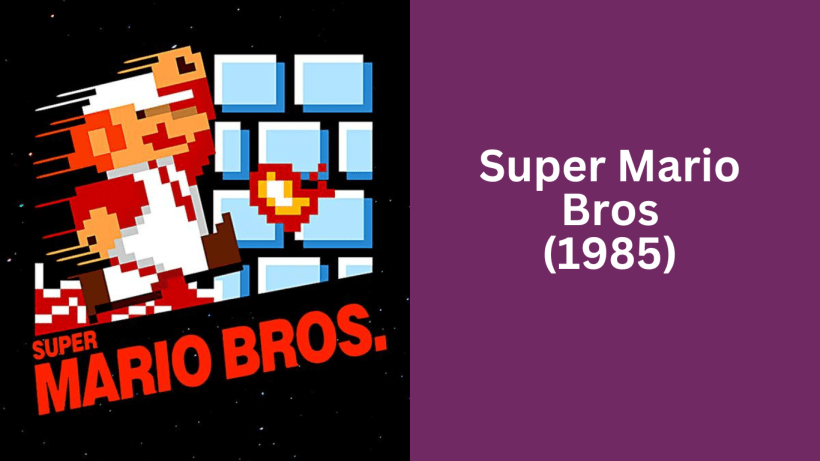
Super Mario Bros. (1985, NES)
The side-scrolling platformer that defined the genre. Help Mario jump over Goombas, collect coins, and save Princess Peach. Simple yet addictive, it’s a timeless classic.
Simple Controls, Deep Gameplay: Super Mario Bros. offered a deceptively simple control scheme – run, jump, and fire (with a power-up). However, mastering these controls and navigating the increasingly complex levels was incredibly rewarding.
- Secret Worlds and Hidden Depths: The game wasn’t just about reaching the end of the flagpole. Hidden warp pipes led to secret worlds, and players discovered clever tricks to exploit the game’s mechanics, adding a layer of replayability that kept them coming back for more.
- The Rise of an Icon: Super Mario Bros. introduced the world to Mario, a mustachioed plumber who would become one of the most recognizable faces in gaming history. This game established many of the core mechanics and themes that would define the entire Super Mario franchise for decades to come.
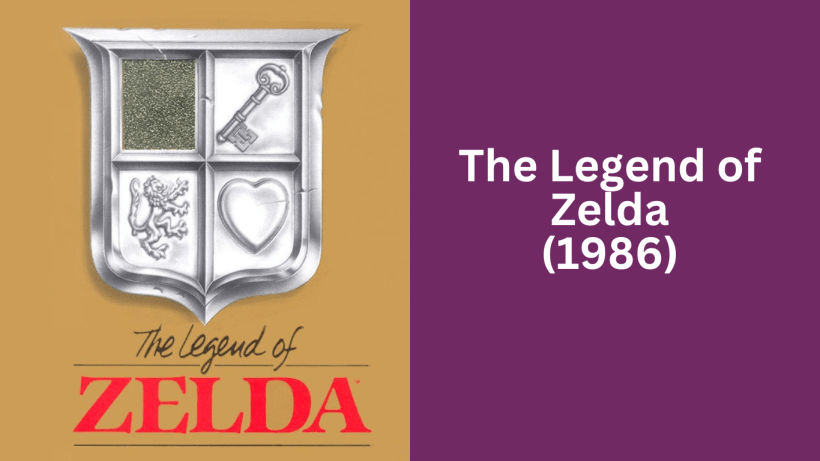
The Legend of Zelda (1986, NES):
An open-world adventure RPG that set the stage for countless games to come. Explore Hyrule, solve puzzles, and battle enemies in this epic quest.
The Legend of Zelda wasn’t just another side-scrolling adventure. It was a groundbreaking title that introduced the concept of an open-world RPG (role-playing game) to console gamers. Here’s what made this game so special:
- A Vast World to Explore: Unlike most linear games of the era, Zelda offered a sprawling overworld full of secrets to uncover. Players could explore forests, deserts, mountains, and even hidden dungeons, all on their quest to save Princess Zelda.
- Non-Linear Gameplay: The game didn’t hold your hand. You weren’t simply told where to go next. Players had the freedom to explore the world at their own pace, discovering hidden caves, deciphering cryptic clues, and solving puzzles to progress. This sense of discovery was a major innovation for console gaming.
- The Introduction of Link: The silent protagonist, Link, quickly became a gaming icon. Players embodied this courageous hero, wielding a sword and shield to battle enemies and navigate the perils of Hyrule.
- The Battery Save Function: Another revolutionary feature for the NES, The Legend of Zelda included a battery save system. This allowed players to progress at their own pace, saving their adventure and coming back to it later,a huge leap forward from the limited continues of most games at the time.
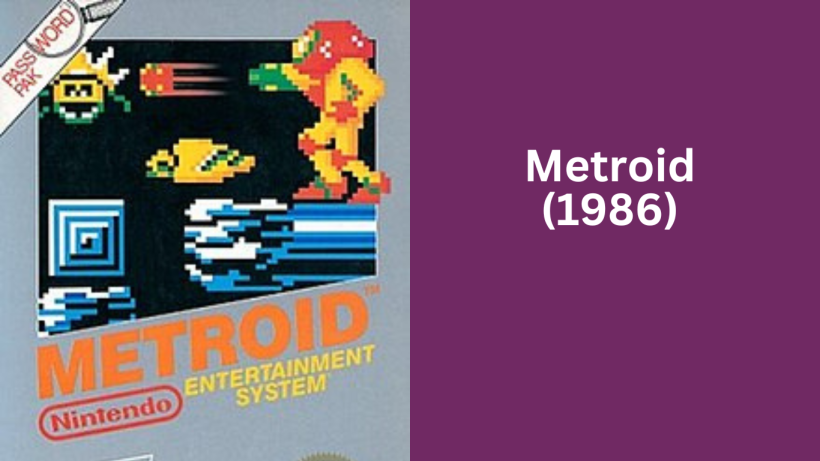
Metroid (1986, NES):
A groundbreaking exploration-based action-adventure game. Samus Aran explores a mysterious alien world, collecting power-ups and uncovering secrets.
Metroid wasn’t your typical action game. It broke the mold by introducing a unique brand of exploration-based gameplay that would influence countless titles to come. Here’s a deeper dive into what made Metroid special:
- A Non-Linear Metroidvania Experience: Metroid didn’t have a strictly linear path. The vast, labyrinthine world of Zebes was filled with hidden passages, requiring players to acquire specific power-ups to access new areas. This sense of exploration and backtracking, where you revisit areas with new abilities, became known as the “Metroidvania” genre.
- The Enigma of Samus Aran: Unlike many games where the hero was a generic, musclebound dude, Metroid placed you in the powerful armor of Samus Aran. The big reveal at the end of the game – that Samus is a woman – was a groundbreaking moment for video game representation.
- Atmosphere and Isolation: The world of Zebes felt alien and dangerous. The haunting soundtrack and sparse environments created a sense of isolation that added to the game’s suspense. You were a lone bounty hunter in a hostile world, and the feeling of vulnerability upped the stakes considerably.
- Secrets and Weapon Collection: Metroid was packed with secrets to uncover. Players could find hidden upgrades that not only boosted Samus’ abilities but unlocked new areas and pathways. This focus on exploration and reward encouraged players to delve deeper into the world and become Metroid masters.

Castlevania (1986, NES):
A gothic horror action platformer where you whip your way through monster-infested castles as Simon Belmont. Dark and atmospheric, it remains a fan favorite.
Castlevania wasn’t just about jumping on platforms and whacking enemies. It weaved a dark, gothic atmosphere that set it apart from other titles of the era. Here’s a look at what made this vampire-hunting adventure a classic:
- Horror Inspiration: Castlevania drew heavily from classic horror films and literature like Dracula. Players battled monsters like Medusa, zombies, and flying demons, all within the creepy confines of Dracula’s sprawling castle.The spooky soundtrack and monster designs created a genuinely unsettling atmosphere.
- The Power of the Whip: Your weapon of choice wasn’t a sword or a gun, but a powerful whip known as the Vampire Killer. This unique weapon gave the game a distinct feel and required strategic use to overcome enemies.
- Non-Linear Exploration: While primarily a side-scrolling game, Castlevania offered some non-linear elements.Players could discover hidden staircases leading to secret passages and optional areas. These exploration rewards added depth to the experience.
- The Rise of the Belmont Clan: Castlevania introduced us to Simon Belmont, a vampire hunter wielding the legendary Vampire Killer whip. The Belmont clan would become synonymous with the franchise, appearing in many sequels and cementing Castlevania’s place in gaming history.

Contra (1987, NES):
A fast-paced run-and-gun action game with intense co-op multiplayer. Blast through hordes of enemies and take down giant bosses in this adrenaline-pumping adventure.
Contra wasn’t your average side-scrolling shooter. It cranked the action to eleven, offering a blistering pace, relentless enemies, and a healthy dose of co-op mayhem that made it a legendary title. Here’s a deeper look at what made Contra stand out:
- Non-Stop, Run-and-Gun Action: Unlike most shooters where you stayed rooted in one spot, Contra emphasized constant movement. You blasted your way through waves of enemies, dodged bullets, and hopped over obstacles,all at a breakneck pace. This frenetic action kept players on the edge of their seats.
- Cooperative Comradeship: One of Contra’s defining features was its two-player co-op mode. Team up with a friend and take down the alien menace together. Sharing firepower, reviving fallen comrades, and strategically clearing rooms added a whole new layer of fun and challenge. The iconic “Up, Up, Down, Down, Left, Right, Left,Right, B, A, Start” cheat code, granting you 30 lives became synonymous with the game’s difficulty and the lengths players went to to survive.
- A Weapon Arsenal for Rent: While Contra started you off with a pea shooter, power-ups scattered throughout the stages unleashed a devastating array of weaponry. From the spread shot that laid waste to entire enemy groups to the insanely powerful laser rifle, experimenting with these temporary weapon upgrades added a strategic element to the mayhem.
- A Challenge Worthy of Legends: Contra was notoriously difficult. Enemies swarmed the screen, bullets rained down, and memorizing patterns was crucial for survival. This high degree of challenge is what made conquering Contra so rewarding, and it cemented the game’s status as a test of gaming skill.

Mega Man 2 (1988, NES):
One of the best entries in the iconic Blue Bomber series. Slide, shoot, and conquer your enemies with a variety of unique robot master weapons.
Mega Man 2 wasn’t just another sequel; it revolutionized the original formula, solidifying the Blue Bomber’s place in gaming history. Here’s a closer look at what made Mega Man 2 a masterpiece:
- Mastering the Art of the Mega Buster: Mega Man’s signature arm cannon remained his primary weapon.However, Mega Man 2 introduced a new mechanic – the ability to steal special weapons from defeated robot masters. Each master had a unique weapon with its own strengths and weaknesses, encouraging players to experiment and strategize. Learning the intricacies of these weapons and using them to overcome later bosses added incredible depth to the gameplay.
- A Villainous Pantheon: The original Mega Man offered a handful of robot masters to conquer. Mega Man 2 expanded the roster to eight unique bosses, each with distinct visual designs, personalities, and weaknesses to their stolen weapons. This diversity in villains made each stage feel fresh and presented a strategic puzzle for players to solve with their acquired arsenal.
- Refined Level Design and Challenge: Building on the foundation of the first game, Mega Man 2 presented meticulously crafted stages. Each level offered a perfect blend of platforming challenges, enemy encounters, and secrets to uncover. The difficulty curve was expertly balanced, providing a satisfying challenge for newcomers and veterans alike.
- A Legacy of Innovation: Mega Man 2’s weapon-stealing mechanic and emphasis on strategic use of abilities laid the groundwork for the entire franchise. It defined the core tenets of the “Mega Man formula” that would inspire decades of sequels and imitations. The game’s catchy soundtrack and memorable characters further cemented its place as a cultural icon.

Tetris (1985, Various Platforms):
The puzzle game that transcended language and culture. Fit those tetrominoes together and clear lines to rack up points. Simple, addictive, and unbelievably fun.
Tetris wasn’t just a video game; it was a phenomenon. This seemingly simple puzzle game transcended language and cultural barriers, becoming a global obsession. Nintendo is the reason we have this amazing piece of video game history at our disposal, due to purchasing its rights from its Russian developer. Here’s a deeper dive into what made Tetris such an enduring classic:
- Easy to Learn, Impossible to Master: The core gameplay of Tetris is disarmingly simple. Falling tetrominoes,geometric shapes made up of four blocks, need to be rotated and placed to form complete horizontal lines. Clearing lines awards points, and the game increases in speed as you progress. Despite its basic rules, Tetris offered an incredible depth of strategic play. Mastering advanced techniques like “T-spins” and “clearing multiple lines simultaneously” demanded precise planning and lightning-fast reflexes.
- A Universal Language: Tetris required no complex instructions or storylines. The visuals were simple, the gameplay intuitive, and the core concept of fitting shapes together resonated with players of all ages and backgrounds. This universal appeal allowed Tetris to bridge cultural divides and become a global phenomenon.
- The Power of the Instant Restart: Unlike many games of the era with limited continues, Tetris offered instant restarts. This meant you could jump right back into the action after a mistake, fueling that addictive “one more try” mentality. The short burst of intense gameplay made Tetris perfect for quick pick-up-and-play sessions.
- A Cultural Icon: Tetris wasn’t just confined to video game consoles. It appeared on handheld electronics, spawned countless clones, and even inspired physical puzzles. The game’s iconic tetriminoes became recognizable symbols,solidifying Tetris’ place in popular culture.

Double Dragon (1988, NES):
A side-scrolling beat ’em up known for its co-op gameplay. Team up with a friend and pummel street thugs
Double Dragon wasn’t your typical single-player adventure. It was a pioneering title in the beat ’em up genre, known for its intense co-op gameplay and over-the-top brawls. Here’s a closer look at what made Double Dragon a brawling favorite:
- Co-op Bruising: Double Dragon truly shined with its two-player cooperative mode. Team up with a friend and take on the mean streets as the Lee brothers, Billy and Jimmy. Coordinating attacks, reviving fallen comrades, and battling side-by-side added a whole new layer of excitement to the gameplay compared to solo adventures.
- A Martial Arts Arsenal: While punches and kicks were your bread and butter, Double Dragon offered a variety of contextual attacks and throws. Players could disarm enemies, slam them into backgrounds, and even use environmental objects as weapons. This combat variety kept the brawls engaging and strategic.
- A Gallery of Street Scum: The game threw a diverse group of thugs your way. From generic street punks to weapon-wielding ninjas and bosses with unique fighting styles, each enemy encounter presented a different challenge. This enemy variety helped maintain a sense of freshness as you progressed through the game’s many stages.
- A Test of Friendship (and Button Mashing): Double Dragon wasn’t known for its subtlety. It was a button-mashing brawl through enemy hordes. While coordination with your partner was key to success, the game also tested your friendship in the heat of battle. Friendly fire was a constant threat, and resource management (health and power-ups) became an additional layer of strategic cooperation. Despite its straightforward approach, Double Dragon delivered a satisfyingly chaotic and addictive brawling experience.

Pixels to Powerhouses: The Enduring Legacy of 80s Gaming
The flickering glow of the TV screen, the rhythmic clicks of the controller – these weren’t just childhood memories, they were the building blocks of a multi-billion dollar industry. But the impact of 80s gaming goes far beyond sales figures. In the section Pixels to Powerhouses: The Enduring Legacy of 80s Gaming, we’ll explore how these early titles continue to shape the way we play today, from the genres we love to the design choices that keep us hooked.
We GenXers really got to watch technology be birthed and evolve to where it is, today. From the on 8bit graphics to the HD reality games of today, we have seem an amazing shift in technology and creativity. What about you, do any of these games bring back memories? Did you have any of the consoles mentioned? What games did you play daily? Let me know in the comments below. Thank you all again for being a part og GayintheCLE. If it wasnt for each of you, this blog would not be here now.


 Gay in the CLE