
For many, the question of protein sufficiency looms large when considering a vegetarian lifestyle. As an ovo-lacto vegetarian who’s been thriving on this path for years, I can confidently say it’s absolutely possible to get all the protein you need from plants and a sprinkle of dairy and eggs. In fact, embracing plant-based protein powerhouses opens doors to a vibrant, delicious, and incredibly nutritious way of eating!
So, ditch the protein-deficiency myths and join me on a deep dive into the world of plant-based protein. We’ll explore protein’s role in our bodies, delve into fantastic plant-based options, and discover strategies to ensure you’re getting enough fuel for every activity.
- Why Protein Matters: The Building Blocks of You
- Protein for Vegetarians: Why It Matters Even More
- Plant-Based Protein Powerhouses: Nature’s Bounty
- Strategies for Boosting Your Plant-Based Protein Power

Why Protein Matters: The Building Blocks of You
Protein isn’t just a fancy word thrown around in fitness circles; it’s the very foundation of our bodies. Imagine your body as a magnificent building – protein is the essential brick and mortar holding everything together. From the intricate workings of your brain to the powerful muscles that propel you forward, protein plays a crucial role in almost every bodily function. Let’s delve deeper into the fascinating world of protein and explore its key functions:
- Growth and Repair: Throughout life, our bodies are in a constant state of flux. Old cells die and are replaced by new ones, and tissues are continuously repaired from wear and tear. Protein acts as the building material for this ongoing process. It’s essential for the growth and development of bones, muscles, skin, and even hair. During childhood and adolescence, protein needs are particularly high to support rapid growth. But even as adults, protein remains crucial for maintaining strong muscles and bones, especially as we age and our bodies become less efficient at producing protein.
- Enzyme and Hormone Production: Imagine your body as a complex biochemical factory. Every function, from digestion to mood regulation, is controlled by tiny chemical messengers called enzymes and hormones. These fascinating molecules are often made from protein, or require protein for their proper functioning. Enzymes help break down food into usable energy, while hormones regulate everything from metabolism and growth to sleep and reproduction. Without sufficient protein, these vital processes can become sluggish or disrupted.
- Energy Source: While carbohydrates are the primary source of fuel for the body, protein can also be used for energy, especially during exercise or when calorie intake is low. However, the body generally prefers to use carbohydrates for energy, so protein is best reserved for its other crucial functions.
- Satiety and Appetite Regulation: Protein has a superpower – it keeps you feeling fuller for longer! This is because it takes longer to digest than carbohydrates, and it influences hormones that signal satiety (feeling full) to the brain.By incorporating protein into every meal and snack, you can help regulate your appetite and avoid those pesky cravings that can lead to overeating.
Understanding Your Protein Needs: The recommended daily protein intake (RDI) for adults is 0.8 grams per kilogram of body weight. This translates to roughly 56 grams for most women and 63 grams for men. However, this is a baseline,and your individual needs may vary depending on several factors:
- Activity Level: Athletes and individuals with physically demanding jobs require more protein to support muscle growth and repair. Active vegetarians may need to increase their protein intake to 1.2-2 grams per kilogram of body weight.
- Age: As we age, our bodies become less efficient at producing protein. Adults over 50 may benefit from a slightly higher protein intake to maintain muscle mass and bone health.
- Overall Health Conditions: Certain medical conditions may necessitate a higher protein intake. Consulting a healthcare professional or registered dietician can help determine your specific needs.
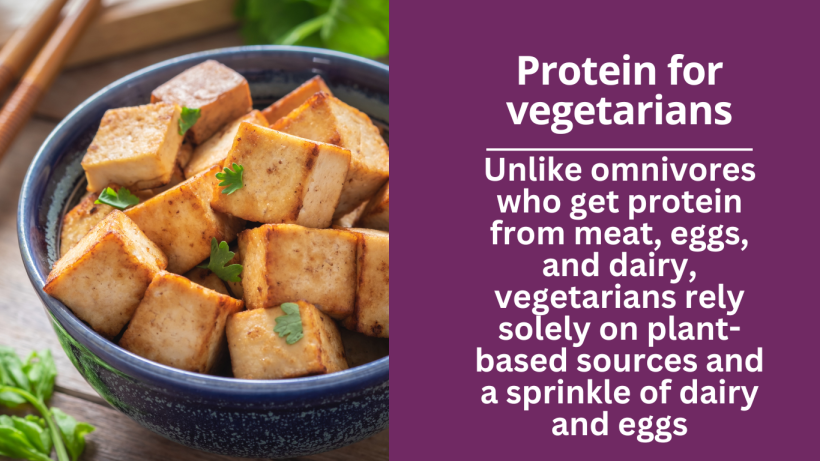
Protein for Vegetarians: Why It Matters Even More
While protein is essential for everyone, vegetarians have an additional reason to prioritize it. Unlike omnivores who get protein from meat, eggs, and dairy, vegetarians rely solely on plant-based sources and a sprinkle of dairy and eggs (in the case of ovo-lacto vegetarians). While the plant kingdom offers a surprising abundance of protein-rich options, ensuring you’re getting enough requires a bit more planning and awareness. By incorporating the strategies outlined in this guide,you can ensure your vegetarian journey is fueled by the power of protein!

Plant-Based Protein Powerhouses: Nature’s Bounty
The plant kingdom explodes with a symphony of protein-rich options, waiting to be incorporated into your delicious and nutritious vegetarian meals. Let’s delve deeper into these powerhouses and explore their unique benefits:
Legumes: These champions, encompassing beans, lentils, chickpeas, and peas, are the undisputed kings and queens of plant-based protein. Not only are they protein-packed (think 18 grams in a cup of cooked lentils!), but they’re also fiber superstars, keeping you feeling full and aiding digestion. Lentils, with their earthy flavor and versatility, shine in hearty soups, stews, and salads. Black beans lend their magic to tacos and burritos, while chickpeas transform into crispy falafel or creamy hummus. Don’t forget about the humble green pea – a fantastic source of protein and perfect for adding pops of vibrant green to stir-fries or pasta dishes.
Tofu and Tempeh: Made from soybeans, these versatile options offer a complete protein package, meaning they contain all nine essential amino acids our bodies can’t produce on their own. Tofu’s chameleon-like nature allows it to absorb any flavor you throw at it, making it perfect for marinades, stir-fries, and scrambles. Opt for firm tofu for pan-frying or baking, and silken tofu for creamy sauces or smoothies. Tempeh, with its nutty flavor and slightly chewy texture, adds a satisfying bite to stir-fries, grain bowls, or even crumbled on top of salads.
Seitan: This plant-based protein source, often dubbed “wheat meat,” is made from gluten. Its firm, meaty texture is a welcome addition for vegetarians seeking familiar textures in their meals. While seitan boasts a high protein content (around 25 grams per 3 ounces), it’s also higher in carbs. Enjoy it in moderation, perhaps in vegan stir-fries or succulent seitan “steaks.”
Nuts and Seeds: These tiny nutritional powerhouses pack a serious protein punch. Almonds, pistachios, hemp seeds, chia seeds, and pumpkin seeds are all excellent choices. Adding a sprinkle to salads, yogurt, oatmeal, or even enjoying them as a healthy snack, elevates your protein intake while providing a satisfying dose of healthy fats and fiber.
Quinoa: This ancient grain holds a special place in the protein hall of fame. Not only is it a complete protein source,offering a good balance of all essential amino acids, but it also provides a good source of complex carbohydrates for sustained energy. Enjoy its slightly nutty flavor in salads, pilafs, breakfast bowls, or even stuffed peppers.
Beyond the Usual Suspects: Don’t limit yourself to the common protein sources. Explore the exciting world of plant-based protein with options like:
- Nutritional Yeast: This deactivated yeast is a good source of complete protein and adds a cheesy flavor to dishes like popcorn, pasta sauce, or mashed potatoes.
- Spirulina: This blue-green algae boasts a complete protein profile and is a good source of iron and B vitamins. Add a teaspoon to smoothies or sprinkle it on salads for an extra protein and nutrient boost.
- Vegetables: While not protein powerhouses, vegetables like broccoli, asparagus, and spinach contribute a small amount of protein while being packed with essential vitamins, minerals, and antioxidants. They play a crucial role in a balanced and healthy vegetarian diet.
Bonus Tip: For a complete protein punch that maximizes the utilization of all essential amino acids, combine grains with legumes! Think rice and beans, lentil soup with a whole-wheat bread roll, or a quinoa salad with chickpeas. This strategy allows your body to efficiently create complete proteins from the complementary amino acid profiles of these plant-based foods.
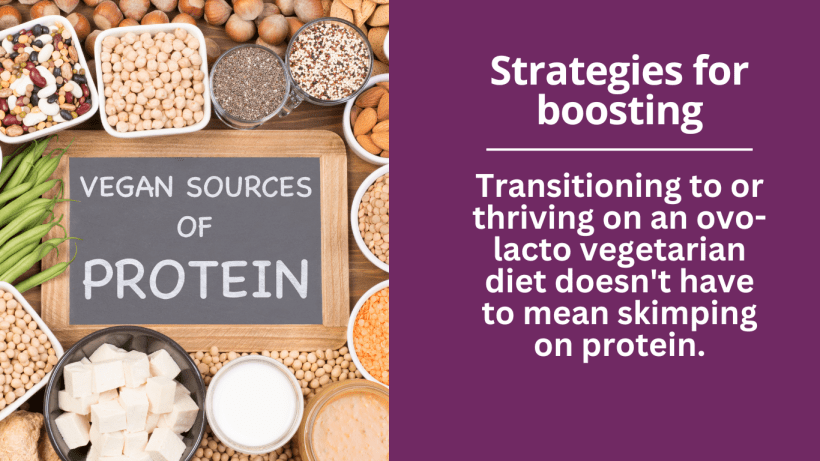
Strategies for Boosting Your Plant-Based Protein Power
Transitioning to or thriving on an ovo-lacto vegetarian diet doesn’t have to mean skimping on protein. By incorporating these smart strategies, you can ensure you’re consistently meeting your protein needs and fueling your body for an active and healthy life:
- Planning is Key: A little planning goes a long way. Set yourself up for success by planning your meals and snacks around protein-rich ingredients. Include a good source of protein at every meal and snack throughout the day. This doesn’t have to be complicated – a handful of almonds with your morning fruit, lentils added to your lunchtime salad, or a veggie burger for dinner are all easy ways to integrate protein.
- Start Your Day Strong: They say breakfast is the most important meal of the day, and for protein needs, it holds particular significance. A protein-rich breakfast sets the tone for the day, keeping you feeling fuller for longer and helping to regulate blood sugar levels. Explore options like scrambled eggs with spinach and feta, Greek yogurt parfait with berries and nuts, a protein smoothie made with plant milk, protein powder, and fruit, or savory tofu scramble with vegetables.
- Snack Smart: Curbing those afternoon cravings with protein-rich snacks can be a game-changer. Skip the sugary treats and opt for options that keep you satisfied and energized. Here are some smart snacking choices:
- DIY Trail Mix: Make your own trail mix by combining nuts, seeds, dried fruit, and dark chocolate chunks for a satisfying mix of protein, healthy fats, and complex carbs.
- Hard-boiled Eggs: A classic and convenient protein source, hard-boiled eggs are perfect for on-the-go snacking.
- Edamame: These podded soybeans are a great source of protein and fiber. Enjoy them steamed in their pods or shelled and tossed with a sprinkle of sea salt.
- Nut Butters: Spread some almond, peanut, or cashew butter on whole-wheat crackers or apple slices for a protein and fiber combo.
- Greek Yogurt: This protein powerhouse is a delicious snack on its own or topped with berries and granola.
- Portion Matters: Don’t underestimate the protein content in smaller portions. Aim for at least 15-20 grams of protein per meal to feel satisfied. This will help regulate your appetite and keep you energized throughout the day.
- Don’t Forget the Greens: While not protein powerhouses in their own right, vegetables play a vital role in a balanced and healthy vegetarian diet. They provide essential vitamins, minerals, and antioxidants that support overall health and protein utilization. Incorporate a variety of colorful vegetables into your meals to ensure you’re getting a well-rounded intake of nutrients.
- Consider Protein Powders (Optional): While not essential for a balanced vegetarian diet, protein powders can be a convenient way to boost your intake, especially if you have a physically demanding lifestyle or are looking to build muscle mass. There are a variety of plant-based protein powders available, such as soy, pea, hemp, and brown rice protein. Choose one that suits your taste preferences and dietary needs.
- Track Your Intake (Optional): If you’re unsure whether you’re meeting your protein needs, there are many online tools and mobile apps available to help you track your dietary intake. This can be a helpful strategy, especially during the initial transition to a vegetarian diet. Once you become familiar with the protein content of different foods, you can easily eyeball portion sizes and ensure you’re incorporating enough protein sources throughout the day.
Remember, consistency is key! By incorporating these strategies into your routine, you can ensure you’re getting enough protein to thrive on your vegetarian journey.
So there you have it, some simple tips and tricks to help you along your way of getting all the necessary protein you can want on a plant based diet. What about you, are you a vegetarian? Have you mastered your protein intake? If so, how did you manage it and what are some of your favorites. Maybe you haven’t switched to a plant-based diet, does the thoguht of it intrigue you or is it not for you, at all? Let me know in the comments below. Thank you for being a part of the GayintheCLE community. Each and every one of you are the reason for this blog. Dont hesitate to share your thoughts, opinions,and possible articles, we look forward to it.


 Gay in the CLE
One thought on “Plant-Based Protein Powerhouses: A Deep Dive into Thriving on an Ovo-Lacto Vegetarian Diet”