
I am an asshole! There aren’t any two ways around it, I am an asshole. Sure, I have times where I seem to be nice, but boiling just beneath the surface is the asshole waiting to come out at the most inopportune moment. The majority of the time I am nice and a bit of a pain, but there are those times when, what I like to call, the side of my family from my father comes out in full force to rear its ugly head and pummel a situation into oblivion. In my head, I think I am speaking eloquently, getting my point across so the world sees what I am going through. The reality, however, is that I look like Trump throwing a tantrum. It causes worse issues than the actual argument I may have been having to begin with.
I want to be better. I want to not feel like someone is attacking me and I have to defend myself all the time. I do an emotions journal to help see the triggers. At the moment, I try to look beyond the emotions of the situation to what can be dealt with logically. I even try to de-escalate myself, so that I don’t go all critical mass, in the moment. More often than not, I seem to falter against that little hurt child inside of me who wants to feel justified and avenged.
I don’t want to have these kinds of arguments and interactions with my partner. We have a great life together and this is the one thing that will, inevitably, end up shattering it. That being said, let’s take a look at How to Stop Arguing With Your Loved Ones: 10 Communication Tips for a Stronger Relationship.
- Root cause for fighting with loved ones
- How empathy can bridge the divide
- Why we take disagreements personally
- 10 ways to better communicate
- Standing the test of time

Root cause for fighting with loved ones
One thing that we have to understand, before we dive into this subject, is that arguments will happen. You both will get upset about things that bother you and they will boil over into a display of emotion. We cannot avoid that, no matter how we try. We also need to understand that feelings like anger, fear, hurt, and etc are a part of the human condition. We cannot rid ourselves of them. Each has its place and helps us deal with situations. What we have to learn is how to handle them and not let them be the ruling force of a situation.
Arguments with the ones we love are a common occurrence and can often leave us feeling frustrated and hurt. While relationships with loved ones are built on love, trust, and understanding, they are not immune to conflicts. Various factors contribute to the emergence of disagreements and heated debates within these close relationships. Differences in opinions, values, and perspectives, as well as unmet expectations, poor communication, and unresolved conflicts, all play a significant role in causing arguments with those closest to us. Understanding the root causes behind these arguments can pave the way for healthier and more harmonious relationships.
Let us take a look at some of the reasons we get upset with those we love and how we can navigate them before and while they are happening.

How empathy can bridge the divide
You have probably wondered why you argue and fight with the ones you love. The answer is quite simple. We are emotionally attached to our relationships. The small slights, criticisms, and rejections from our partners can feel like sharp spikes embedded into our flesh. We take them personally when, oftentimes, our partner is just sharing an observation. Each of them, inherently, can be boiled down to one common theme, “my view of reality is better than yours!”
Okay, maybe you are shocked by that last statement, but you shouldn’t be. You are already familiar with this concept but probably have heard it said a different way. “Perception is reality.” We see our world and lives through our own eyes and our understanding of it comes from our understanding of the world and events around us. They become so much a part of us that we will defend them to the very core of our being. We will walk away from people and things because we think our way is the only way. We will defend our perceptions and will take offense to anyone who tries to tell us we are wrong.
What if we took a moment to step outside of ourselves, release all of the events that have shaped us into what we are now, and try to see the situation from another perspective? How different would that be?
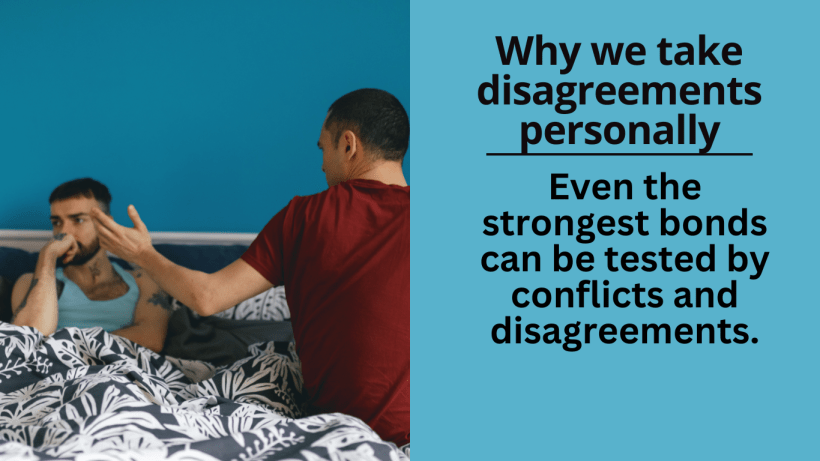
Why we take disagreements personally
Relationships are often marked with love, care, and shared moments of happiness. Nonetheless, even the strongest bonds can be tested by conflicts and disagreements. At times, these conflicts can escalate into heated arguments, causing significant emotional distress. In this article, we will explore the reasons why we tend to get upset and argue with our loved ones, and provide practical ways to mitigate and manage that anger effectively.
1. Communication breakdown
One of the primary reasons behind arguments with loved ones is a communication breakdown. Poor communication skills can lead to misunderstandings, unvoiced expectations, and unaddressed issues, ultimately resulting in anger. For instance, imagine a couple who have different expectations about how chores should be shared. If they don’t openly discuss their preferences, anger may build up over time.
To mitigate this anger, it is important to foster open and honest communication. Setting aside dedicated time for regular conversations, active listening, and expressing feelings constructively can significantly reduce misunderstandings and disagreements.
2. Unresolved conflicts
Unresolved conflicts are another root cause of anger in relationships. Often, a small issue left unaddressed can compound over time and lead to resentment and intense arguments. Ignoring or avoiding conflicts can strain the relationship and heighten negative emotions.
To prevent this, it is vital to address conflicts promptly and constructively. This involves active problem-solving, emphasizing compromise and negotiation, and seeking professional help if needed. Engaging in open dialogue and finding common ground leads to lasting resolutions and mitigates anger.
3. Differences in expectations
Discrepancies in expectations can spark anger in any relationship. We often assume that our loved ones share the same desires, values, and priorities as us. However, this is rarely the case. When our expectations clash with reality, frustration, and anger can ensue.
To manage anger arising from differing expectations, it is crucial to set realistic expectations and maintain open lines of communication. Expressing one’s needs, listening and understanding the needs of the other person, and finding ways to compromise can help alleviate frustration and reduce anger.
4. Stress and external factors
Stress from various sources, such as work, finances, or health issues, can spill over into our relationships, leading to arguments even with our loved ones. During stressful periods, individuals may become more irritable, leading to heightened emotions and conflicts.
To address this, it is essential to recognize the stressors impacting our lives and find healthy coping mechanisms. Engaging in stress-reducing activities like exercise, meditation, or seeking support from a therapist can minimize stress and, consequently, decrease the likelihood of arguments.
5. Unmet emotional needs
Often, arguments with loved ones stem from unmet emotional needs. When our partners or family members don’t offer the support, validation, or attention we desire, it can result in feelings of anger or resentment. Unmet emotional needs can slowly erode the relationship, making any minor disagreement a trigger for explosive arguments.
To mitigate anger arising from unmet emotional needs, it is crucial to express one’s feelings openly and honestly. Engaging in compassionate communication, active listening, and fostering empathy can bridge the emotional gap. Remember, open dialogue promotes understanding and strengthens emotional connections.
10 ways to better communicate
Arguing with a loved one can be an emotionally charged experience. It is normal for tensions to rise and for emotions to run high in such situations. However, to maintain healthy relationships and productive conversations, it is crucial to keep your emotions in check during arguments. Here are ten effective ways to do just that:
- Take a deep breath: Before engaging in the argument, take a moment to breathe deeply and calm your thoughts. This simple act can help you regain control over your emotions.
- Listen actively: Instead of focusing solely on proving your point, actively listen to what your loved one is saying. This will prevent misunderstandings and allow you to respond more thoughtfully.
- Practice empathy: Try to put yourself in your loved one’s shoes and understand their perspective. Empathizing with their emotions and concerns will help you respond with compassion rather than anger.
- Use “I” statements: When expressing your thoughts, feelings, or concerns, use “I” statements instead of accusatory language. This approach allows you to convey your emotions without putting your loved one on the defensive.
- Avoid personal attacks: Remember to focus on the issue at hand and avoid using personal attacks against your loved one. Attacking their character or bringing up past mistakes will only escalate the argument and damage your relationship further.
- Take breaks when needed: If you feel overwhelmed by your emotions, it is essential to take a break from the conversation. This will allow you to regain control and prevent saying things you might later regret.
- Stay on topic: Arguments often spiral out of control when unrelated issues are brought up. Try to stay focused on the current problem and avoid bringing up past unresolved matters.
- Use humor when suitable: Injecting a bit of humor can diffuse tension and help create a more positive environment for discussion. However, be cautious not to turn humor into sarcasm or mockery.
- Practice self-awareness: Pay attention to your emotional triggers and reactions during arguments. By being aware of your emotional patterns, you can better manage them and respond appropriately.
- Seek resolution, not victory: Remember that the goal of an argument should be to find a resolution, not to win. Approach the conversation as a problem-solving exercise rather than a battle for dominance. Compromise and finding common ground will foster healthier relationships
Keeping your emotions in check during arguments with loved ones is crucial for maintaining healthy and loving relationships. By employing these ten strategies, you can promote productive communication, understanding, and respect, even in the midst of disagreements.
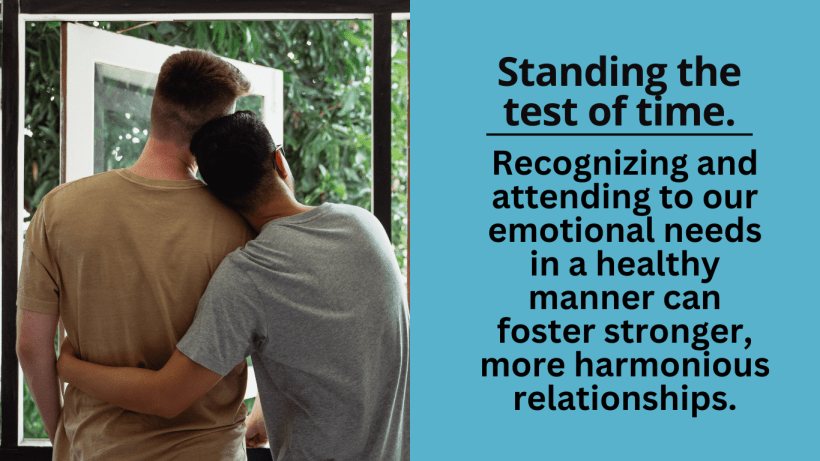
Standing the test of time
While arguments with loved ones are common, understanding the underlying causes of anger can help us effectively manage and mitigate conflicts. By improving communication, addressing unresolved conflicts, managing differing expectations, and addressing external stressors, we can reduce the frequency and intensity of disagreements. Furthermore, recognizing and attending to our emotional needs in a healthy manner can foster stronger, more harmonious relationships.
Ultimately, maintaining healthy relationships requires effort, patience, and understanding. Nurturing a culture of open communication, empathy, and compromise ensures that disagreements are navigated with love and compassion, allowing us to build a stronger, more resilient bond with our loved ones. What about you, are there any tips you use to help you when arguments come up with people in your life? Are there specific things you do to bring yourself down from when you are angry, let me know in the comments below. I am always on the look out for better ways for me to deal wont my anger issues.


 Gay in the CLE