
This year will mark three years since I started running and losing weight. In many posts, I have remarked about how I hated running as a younger version of me and never saw myself doing it. All I needed, for a push, was a diagnosis of a life threatening disease to initiate the changes I had been too lazy or scared to try, before. I had to learn how to run while having cirrhosis. I needed to learn how to navigate the energy expenditures I needed, how to compensate for protein to keep from loosing the muscle I was building, and how to effectively handle training so I didnt do more damage to me than was already being done. It was and is a struggle, I hope this can help others in some small way.
Cirrhosis, a condition where scar tissue replaces healthy liver tissue, brings unique challenges. But fear not, athletic souls! Running with cirrhosis is not only possible, but it can be a powerful tool for boosting energy, improving health, and conquering limitations. To unlock your inner champion, understanding your body’s unique needs and fueling it with the right tools is key. Let’s embark on a journey of discovery, exploring the world of Running With Cirrhosis: A Guide to Safe Strides and Sustainable Fitness!
- Energy: Your Inner Engine
- The Powerhouse Plate
- Training Tips for Triumph
- Why rest and recovery matter
- Running with Cirrhosis

Energy: Your Inner Engine
Think of your body as a magnificent machine. To perform at its best, it needs the right fuel. For runners, energy is king, and with cirrhosis, choosing the right fuel becomes even more crucial. Your liver plays a vital role in processing nutrients and converting them into energy. Cirrhosis, however, can make this process less efficient, demanding smarter food choices.
But fueling your body doesnt just end with fuel, there are a few other things to consider when it comes to fueling your body for triumph. You are about to learn the biggest secret for boosting your running performance.
The biggest secret to increasing your running performance is… rest and recovery. There, I just shared the deepest secret there is to improve your performance. By taking breaks and allowing your body to recover, you are allowing yoru body to come back from all of the exertion you have placed upon it. More on that a little later.

The Powerhouse Plate
Imagine your plate as a colorful battlefield where good food fights fatigue and fuels your runs. Here’s your winning team:
- Fruity Warriors: Berries, bananas, apples, and oranges are packed with vitamins and sugars that provide quick energy bursts. Think of them as tiny rocket boosters propelling you forward.
- Veggie Champions: Broccoli, carrots, peppers, and spinach are antioxidant-rich soldiers defending your body from illness and keeping you strong. They’re like tiny shields protecting your running engine.
- Whole Grain Gladiators: Brown rice, whole-wheat bread, and quinoa offer sustained energy release, like slow-burning fires keeping you warm throughout the race. They’re your dependable endurance troops.
- Protein Powerhouses: Chicken, fish, beans, and eggs are muscle-building heroes who help repair and rebuild after a run. Think of them as tiny construction crews working on your running engine.

Just like good food fuels your body, bad choices can hinder progress. Be wary of these pesky gremlins:
- Sugary Snacks: Candy, cookies, and sugary drinks offer a fleeting energy boost, followed by a crash, leaving you feeling sluggish and grumpy. These are like fireworks that fizzle out too soon, making you stumble mid-race.
- Fatty Foods: Fried foods, greasy burgers, and sugary treats weigh down your system, making it harder to run,like carrying a heavy backpack uphill. Avoid these sluggish gremlins!
- Salty Stuff: Too much salt can dehydrate you and zap your energy, like running on the beach without water.Choose healthy snacks to keep your engine running smoothly.

Training Tips for Triumph
Running with cirrhosis might be different, but it’s still a glorious adventure! With the right food, smart training, and a supportive team, you can achieve anything you set your mind to. So, lace up your shoes, grab a healthy snack, and get ready to conquer the world, one step at a time! Remember, every stride is a victory, every breath a testament to your strength. Run with joy, run with purpose, and most importantly, run with the unwavering belief that you are a champion!
- Cross-training: Activities like swimming, biking, or yoga build strength and flexibility, making you a well-rounded athlete. Think of it as learning different dance moves to become a superstar runner!
- Fuel Up Wisely: Before a run, choose easily digestible snacks like a banana or toast with peanut butter. After a run, refuel with a protein-rich meal or smoothie to help your body recover and rebuild. It’s like giving your car a tune-up after a race!
- Hydration Hero: Water is your best friend! Drink plenty before, during, and after your run to keep your body cool and functioning optimally. Water is the magic potion that keeps your engine running smoothly!
- Listen to Your Body: This is your most important teammate! If you feel tired, dizzy, or uncomfortable, stop and rest. Running should be fun, not painful. Your body speaks, listen to its wisdom!
- Team Up with Your Doctor: Your doctor is your biggest cheerleader! Talk to them about your running goals and get their advice on what’s safe and healthy for you. Think of them as your personal coach, making sure you stay on track and conquer your goals!
Bonus Tips:
- Track your progress with a running app or journal. It’s fun to see how far you’ve come!
- Join a running group or find a running buddy. Sharing the experience with others makes it even more fun and keeps you motivated
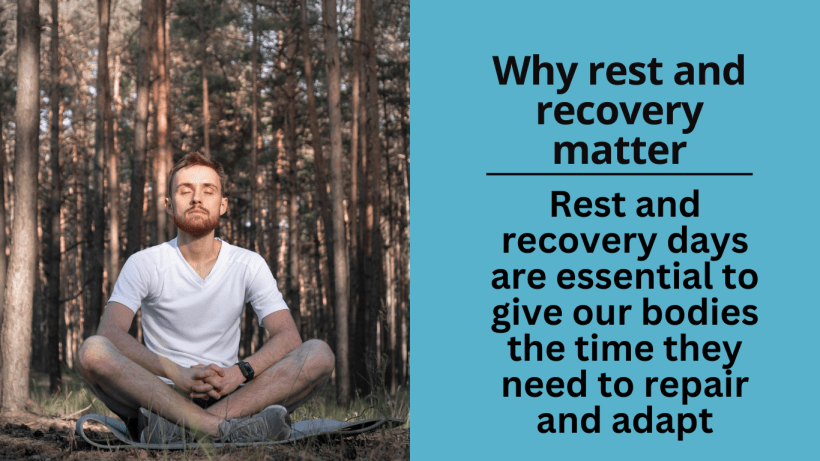
Why rest and recovery matter
Running is fantastic exercise, but it places a lot of demand on your body. When we run, our muscles work hard, our heart pumps faster, and our joints take a pounding. Rest and recovery days are essential to give our bodies the time they need to repair and adapt, leading to many benefits:
- Injury Prevention: Rest days decrease the risk of developing overuse injuries, such as shin splints or stress fractures. These injuries can occur when we repeatedly stress our muscles and joints without adequate recovery.
- Muscle Repair: Running breaks down muscle fibers, and when we rest, our bodies rebuild them stronger than before. Think of it like building a brick wall – the recovery process fills in the gaps and makes the wall sturdier.
- Performance Enhancement: Continuous training without ample rest can lead to a plateau in performance. Taking time off or cross-training helps rejuvenate your body, leading to improved speed, endurance, and overall running ability.
Whether you are a beginner or a seasoned sprinter, it is crucial to ease into running and allow your body time to adapt, even in more advanced training. By incorporating rest and recover early on in your journey, you are setting yourself up for a life time of success.
Here are a few rest and recovery tips to help you in your training.
- Start with Alternating Days: Begin by running every other day instead of every day. This gives your body a chance to recover and adapt to the demands of running.
- Stretch and Warm-up: Spend a few minutes stretching your muscles before each run. Stretching helps prevent injuries and improves flexibility. Also, begin your run with a slow warm-up, like brisk walking or dynamic stretches, to prepare your muscles gradually.
- Get Enough Sleep: Sleep is vital for runners. Aim for 9-11 hours of sleep each night to give your body sufficient time to repair and recharge.
- Listen to Your Body: Pay attention to how your body feels. If you’re feeling excessively tired or experiencing any pain, it’s essential to take a break and allow yourself to recover.
- Active Recovery: On rest days, consider engaging in lower intensity activities like swimming, yoga, or cycling. These activities promote circulation, enhance flexibility, and offer a change of pace while still allowing your running muscles to recover.
- Foam Rolling: Invest in a foam roller, a cylindrical tool used for self-massage. Rolling out your muscles before and after runs can relieve tension and aid recovery by increasing blood flow to your muscles.
- Cross-Training: Incorporating other forms of exercise, such as strength training or Pilates, on your non-running days can help improve muscle imbalances, boost overall fitness, and prevent overuse injuries.
- Nutrition and Hydration: Proper nutrition and hydration are vital for recovery. Ensure you’re eating a balanced diet with plenty of fruits, vegetables, whole grains, lean proteins, and healthy fats. Stay hydrated by drinking enough water throughout the day and especially during and after your runs.

Running with Cirrhosis
Cirrhosis presents unique challenges. Listen to your body, your wisest companion. Start slow and steady, with short walks and jogs, gradually increasing distance and time as you get stronger. Remember, slow and steady wins the race, especially when navigating your personal course. Rest and recovery might seem like taking a break from running, but they are the secret weapons that will bolster your running journey. By incorporating these techniques, both beginner runners and seasoned athletes can prevent injuries, aid muscle repair, and enhance performance.
I hope the article helps anyone who is starting their journey running or is having to adapt their running routine due to a diagnosis of cirrhosis or other diseases. It may take some time to figure out what works best for you, but just like running, the more time you dedicate to it the stronger you will become. Thanks for being a part of GayintheCLE.com, each of you make this blog possible and keep me putting out content. I really appreciate each and every one of you.


 Gay in the CLE