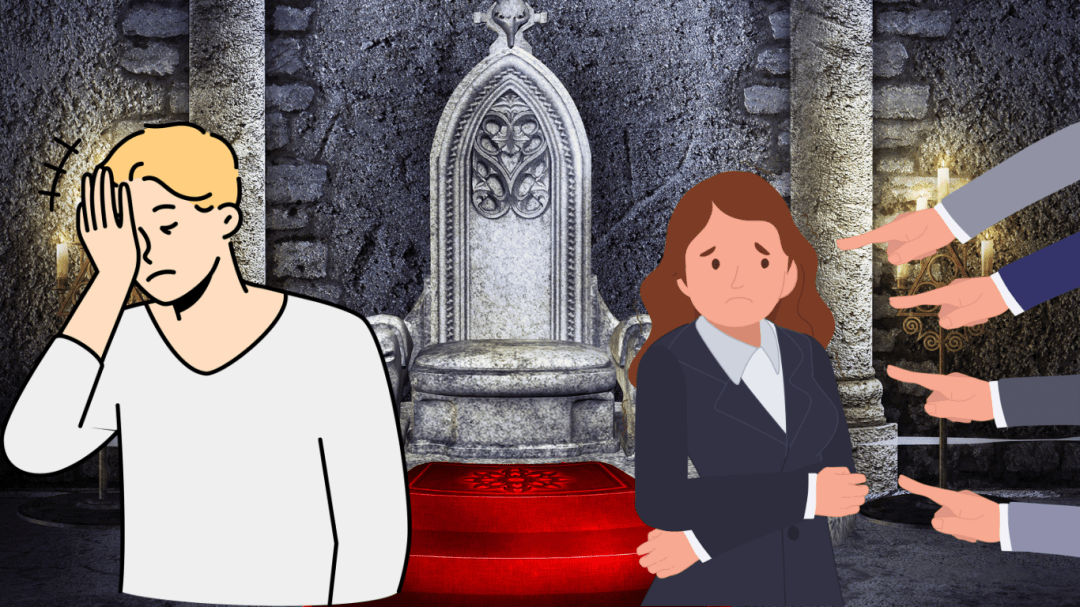
Do you ever feel the weight of blame or shame dragging you down? These powerful emotions, while natural, can quickly become toxic, hindering personal growth and impacting well-being. But what if there was a way to manage these feelings and turn them into opportunities for self-compassion and positive change? In this article, we’ll explore the harmful effects of blame and shame, and equip you with practical strategies to navigate these emotions effectively and cultivate a healthier, more fulfilling life.
Over the last three weeks, we have discussed some very deep emotional topics and I have shared some even deeper stories of my past. We looked at why we often build walls around ourselves, why we don’t always have to try to be right in every situation, and a looked into understanding shame and how it affects us.Today, we will dive a little deeper into the world of shame and learn how its sibling, blame also factor into our well-being and where they come from. Join me as we look at Taming the Toxic: Dethrone Blame and Shame for Growth and Wellbeing.
- The Corrosive Effects of Blame and Shame: Why They Hinder Our Growth
- Nature vs. Nurture: Are Blame and Shame Inherent or Learned?
- Recognizing the Red Flags: Identifying Blame and Shame in Your Life
- From Blame to Growth: Transforming Negative Emotions into Positive Actions
- Building Resilience: Practical Tools to Manage Blame and Shame Effectively
The Corrosive Effects of Blame and Shame: Why They Hinder Our Growth
Blame and shame, while often used interchangeably, are distinct emotions with one common thread: their ability to chip away at our confidence and progress. In this section, we’ll delve into the corrosive effects of these powerful emotions, exploring how they can impede our personal growth and impact our overall well-being. We’ll shed light on how blame and shame can cripple motivation, fuel anxiety, and distort self-perception, ultimately hindering our ability to learn, adapt, and thrive. By understanding the detrimental impacts of these emotions, we can take the first step towards effectively managing them and paving the way for a more fulfilling life.
They control our perception of events. Blame takes the concept of fault and assigns negative feelings towards it. If we break a memento, we are the ones at fault and we should accept that. Blame adds to it a feeling that becomes tangible to the mind. We feel bad because we broke the item, intentionally or not. Blame is also ones perception of a situation. Here is an example.
You come home from work to find toilet paper destroyed and littered about the house. No one was there but your pets. One of the pets in laying in the middle of the mess on the floor. Immediately, you look at them and decide they are the ones responsible for this situation and scold them for it. You just assigned blame, whether it is true or not.
Once blame is assigned, those feelings take root in the person and create the feeling of shame.
The good news is that we can decide how much we want to indulge these toxic emotions. But are these feelings born into the human condition or are they learned over time.
Nature vs. Nurture: Are Blame and Shame Inherent or Learned?
It is a given that each of us feels or will feel blame and shame at some point in our lives. In the ongoing nature vs. nurture debate, understanding the origins of blame and shame can be crucial. Are these feelings ingrained in our DNA, passed down through generations, or are they primarily shaped by our upbringing and environment? Delving into this question not only provides fascinating biological and psychological insights, but also helps us determine how effectively we can manage these emotions for personal growth and well-being.
We have become a society that feels it needs to understand where to direct our feelings over a specific thing. Who made the decision, who controlled the possible outcomes, and why were they made – this is the core of what blame is about. But it is a backward process. Fault and responsibility the beginnings of the blame and shame dance. Perhaps it is because we have forgotten what responsibility is about and instead have adopted the mentality of where to focus our feelings.
Each of us is responsible for our actions and reactions. Responsibility means that you are accountable for things that are fully under your control. If you don’t study for a test and as a result you fail the test, you are the only one responsible for that outcome. Fault, on the other hand, is the cause for the failure. In this scenario, the cause for your failure of the test was your lack of studying. That may be a little muddied to understand so let’s break it down with a better scenario.
You order something online and it is supposed to arrive Tuesday. You don’t receive your order until Friday because there was a disruption in the scheduling system with FedEx. The delay is the fault of the carrier, the responsibility to fix the issue with you lies on the company you ordered from.
The biggest difference between responsibility and fault boils down to a simple question. Is the cause of the situation related to something the person actually did or was it beyond their control. In the example above, the seller had no way of effecting the delivery of the product since the scheduling system of FedEx was not working correctly.

Recognizing the Red Flags: Identifying Blame and Shame in Your Life
Blame and shame aren’t always as overt as a pointed finger or a public scolding. Often, these emotions can creep into our lives disguised as negative self-talk, self-doubt, or even procrastination. In this section, we’ll equip you with the tools to recognize the red flags that signal blame and shame are lurking beneath the surface. We’ll explore the subtle signs these emotions manifest in our thoughts, behaviors, and emotional responses. By learning to identify these hidden patterns, you’ll gain a deeper understanding of your emotional landscape and empower yourself to address blame and shame before they take hold and hinder your progress.
Here are four key red flags that signal blame and shame might be lurking beneath the surface:
The Procrastination Monster:
Do you find yourself putting off important tasks despite the potential consequences? This could be a sign of underlying shame associated with the task or a fear of failure. Shame can lead to a feeling of paralysis, making it difficult to initiate action.
The Inner Critic’s Tirade:
Do you have a constant internal voice pointing out your flaws and magnifying your mistakes? This relentless self-criticism is a hallmark of shame. Instead of learning from your missteps, shame focuses on your perceived inadequacy, hindering motivation and growth.
The Comparison
Trap: Are you constantly comparing yourself to others, leading to feelings of inadequacy and self-doubt? This could be a sign of blame, both self-directed and externalized. You might blame yourself for not achieving someone else’s success or blame others for your own perceived shortcomings. Both scenarios can fuel shame and hinder your sense of self-worth.
The Emotional Rollercoaster:
Do you experience sudden bursts of anger, irritability, or withdrawal following perceived failures or criticisms? These emotional fluctuations can be signs of unprocessed blame and shame. Instead of directly addressing the root cause, these emotions can manifest indirectly, causing confusion and negativity in your interactions with yourself and others.
By recognizing these red flags, you can begin to identify the underlying emotions of blame and shame before they take hold. This allows you to address them constructively and create a more positive and productive emotional landscape.

From Blame to Growth: Transforming Negative Emotions into Positive Actions
Feeling stuck in a cycle of blame and shame? What if you could harness the energy of these emotions and turn them into a catalyst for positive change? This section unveils powerful strategies to transform blame and shame from detrimental forces into fuel for personal growth. We’ll explore how to reframe negative self-talk, identify opportunities for learning from mistakes, and channel frustration into productive action. By learning to repurpose these emotions, you’ll unlock a potent source of motivation and resilience, empowering yourself to overcome setbacks and propel yourself towards achieving your goals.
Here are four strategies to transform blame and shame from detrimental forces into fuel for personal growth:
- Reframe “I Should Have” into “I Can Do Better Next Time:” Blame often manifests as harsh self-criticism through phrases like “I should have known better” or “I shouldn’t have made that mistake.” Reframe these statements into a more empowering perspective. Instead, say “I can do better next time” or “This experience will help me make better choices in the future.” This shift in focus moves you from dwelling on the past to embracing future growth.
- Channel Frustration into Focused Action: Shame can sometimes lead to frustration and a desire to lash out. Instead of letting these emotions control you, learn to channel this frustration into productive action. If you feel ashamed of a missed deadline, use that energy to create a clear plan to catch up and improve your time management skills.
- Identify the Lesson Behind the Shame: Shame often arises from perceived shortcomings. However, buried beneath that shame can be a valuable lesson waiting to be unearthed. Ask yourself: What can I learn from this experience? Identify the knowledge gained and use it to improve your skills and decision-making for future endeavors.
- Seek Solutions, Not Blame: The blame game rarely leads to positive outcomes. Instead, when faced with a setback, shift your focus to finding solutions. Ask yourself: What can I do to improve the situation? This solution-oriented approach empowers you to take control and fosters a sense of agency, ultimately promoting growth.
By implementing these strategies, you can transform the energy of blame and shame into a catalyst for positive change and personal development.
Building Resilience: Practical Tools to Manage Blame and Shame Effectively
Blame and shame may be potent emotions, but they don’t have to control you. Here are some practical tools to equip yourself for managing them effectively and building resilience:
- Practice self-compassion: Treat yourself with kindness and understanding, just as you would a trusted friend. Instead of self-criticism, acknowledge your struggles and remind yourself that everyone makes mistakes.
- Reframe negative self-talk: Challenge the harsh inner critic with more realistic and empowering self-statements.
- Replace “I am a failure” with “This was a setback, but I can learn from it and try again.“
- Shift “I am not good enough” to “I am worthy of love and respect, even when I make mistakes.“
- Identify the root cause: Dig deeper to understand the underlying fear or insecurities fueling blame and shame. This can help address the root problem, preventing future emotional triggers.
- Celebrate small wins: Focus on your progress and acknowledge even the smallest accomplishments. This builds confidence and fosters a sense of self-efficacy, reducing the negative impact of setbacks.
- Seek support: Don’t be afraid to reach out to a trusted friend, therapist, or support group. Sharing your struggles and experiences can provide valuable perspective and emotional relief.
- Practice mindfulness: Engage in activities like meditation or deep breathing exercises. Mindfulness helps you become more aware of your thoughts and emotions without judgment, allowing you to respond instead of reacting to blame and shame.
- Forgive yourself: Holding on to past mistakes only hinders your growth. Forgive yourself, learn from the experience, and move forward with a positive mindset.
Remember, building resilience takes time and consistent effort. By actively practicing these tools, you can develop the skills to manage blame and shame effectively, paving the way for a more fulfilling and empowered life.
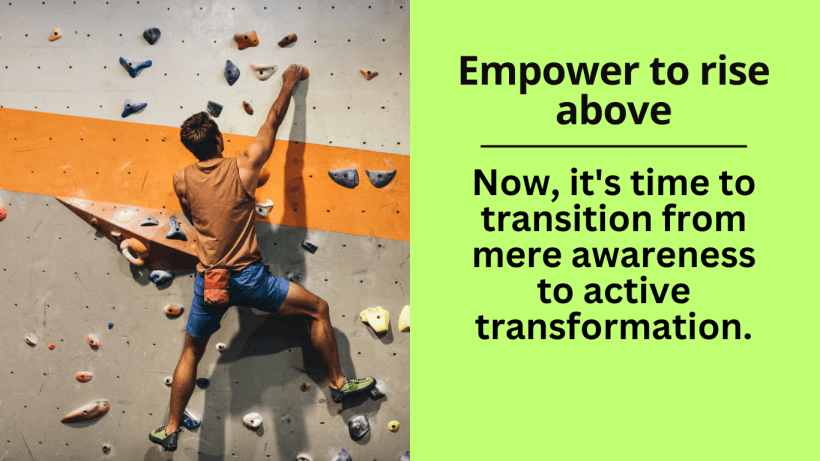
Throughout this exploration of blame and shame, we’ve delved into their detrimental effects, explored methods for identifying them, and equipped you with practical tools for effective management. Now, it’s time to transition from mere awareness to active transformation. By actively nurturing self-compassion, embracing positive self-talk, and prioritizing self-care, you can empower yourself to rise above the limitations imposed by blame and shame. This final phase paves the way for a more fulfilling and resilient you, ready to embrace challenges as valuable learning experiences and propel yourself towards achieving your full potential.
Blame and shame are two feelings I struggle with constantly. I also have not come to terms with fault versus responsibility. But I am starting to understand them more and how to process them. How about you? How do you feel about and/or deal with blame and shame? Do you feel these emotions are taught to us or ingrained into our very nature? Do you think we can manage them or eradicate them from our lives? Let me know in the comments below. Remember that your journey and lessons learned could be the beginnings of a learning experience for others. Thank you for being a part of GayintheCLE. Your interactions are why this place exists and why we work so hard to make it a safe place. If there are topics you would like to see covered, please drop a comment or reach out to us at gayinthecle@gayinthecle.com.


 Gay in the CLE