
Movies often leave an indelible mark on people and culture. They have shaped fashion and vocabulary, creating change that few other areas of life often see. Many times, movies reflect a society that we wished we had, as is the case behind Star Trek. Those are the movies that often outlive their time, and yet there are those that have such significance that have been left to the dusty shelves of time.
Close Encounters of the Third Kind left a lasting impression on me at a very young age. Prior to this time, my exposure to aliens had come in the form of Star Wars, Star Trek, and, E.T. In their own unique fashion, they humanized aliens and their interactions with us. While Close Encounters wasn’t the first alien visitation movie, it was one of the most memorable. It was one of the few movies that showcased how people were known to react after witnessing UFOs or their alleged abductions. More than that, this movie left an indelible mark on pop culture in what it would be life to witness aliens visiting earth and attempting communication.
Let’s take a closer look at Close Encounters of the Third Kind and it’s Cultural Significance.

Close Encounters of the Third Kind
Close Encounters of the Third Kind, directed by Steven Spielberg, is a sci-fi film that has become a cult classic since its release in 1977. The movie has a special place in the hearts of many fans, not only because of its thrilling and imaginative story but also because of the cultural significance it holds. The film explores themes of loneliness, human connection, and the search for meaning beyond our daily lives. It highlights the fascination of human beings with the unknown and the possibility of extraterrestrial life. Through the characters’ journeys and their close encounters with UFOs, the movie reflects the cultural significance of the time and how people were grappling with their place in the universe. In this post, we will delve deeper into the film’s themes and how they still resonate with audiences today, making it a timeless classic in the world of science fiction.
From the very beginning, Close Encounters of the Third Kind draws viewers into a world of mystery and intrigue. The film opens with a series of unexplained phenomena occurring around the world, leaving both the characters and the audience in a state of wonder. As the story unfolds, we are introduced to Roy Neary, played brilliantly by Richard Dreyfuss, whose life is forever changed after a close encounter with an unidentified flying object.
What sets Close Encounters of the Third Kind apart from other science fiction films of its time is its emphasis on the human experience and our innate curiosity about the unknown. Spielberg skillfully explores themes of communication, connection, and the longing for something greater than ourselves. The film delves into the profound impact that encounters with extraterrestrial life can have on individuals, their relationships, and society as a whole.
Visually, Close Encounters of the Third Kind is a marvel. The film showcases Spielberg’s mastery of cinematography, with breathtaking shots that capture the vastness of space and the wonder of the unknown. The iconic image of the mothership, illuminated by an ethereal glow, has become ingrained in pop culture and serves as a symbol of the film’s enduring legacy.
Released during the height of the UFO phenomenon and a period of increased interest in extraterrestrial life, the film tapped into the public’s fascination with the unexplained. It resonated with audiences who were seeking answers and a sense of connection to something beyond our earthly existence.
It is a cinematic masterpiece that continues to be celebrated for its visionary storytelling, stunning visuals, and thought-provoking themes. Its enduring popularity is a testament to its cultural significance and its ability to resonate with audiences across generations. As we delve deeper into the film, we will explore its impact on popular culture, its exploration of the human psyche, and its enduring legacy as a cult classic.

The impact on popular culture
Close Encounters tapped into the widespread fascination with UFOs and the possibility of contact with intelligent beings from other worlds. It presented a more optimistic and awe-inspiring portrayal of extraterrestrial encounters, in stark contrast to the prevalent dystopian themes of science fiction at the time. The film’s portrayal of the close encounter phenomenon, with its mesmerizing visuals and ethereal musical score, struck a chord with audiences and sparked their imagination.
One of the most enduring impacts of Close Encounters on popular culture is its influence on subsequent sci-fi films and television shows. The film’s groundbreaking visual effects and awe-inspiring depiction of alien spacecraft influenced a generation of filmmakers, setting a new standard for the portrayal of extraterrestrial encounters on the silver screen. Close Encounters also popularized the concept of government cover-ups and secret agencies dealing with extraterrestrial phenomena, becoming a recurring theme in both sci-fi and conspiracy theories.
The film’s iconic imagery, such as the silhouette of the Devil’s Tower and the illuminated spacecraft, has become ingrained in popular culture. These images have been referenced and parodied in various forms of media, from television shows like The Simpsons to music videos and advertisements. The phrase “Close Encounters” itself has entered the lexicon, becoming synonymous with encounters with unidentified flying objects.
Close Encounters of the Third Kind not only reflected the cultural fascination with alien life but also shaped and influenced popular culture in profound ways. Its enduring impact can be seen in the continued fascination with UFOs and extraterrestrial life in media and society. As a true cult classic, the film continues to resonate with audiences, reminding us of the enduring power of imagination and the timeless allure of the unknown.

Themes and symbolism
“Close Encounters of the Third Kind” is more than just a sci-fi film. It delves deep into various themes and symbolism that make it a thought-provoking and culturally significant piece of cinema.
One of the prominent themes explored in the film is the concept of communication. As humans strive to make contact with extraterrestrial beings, the movie raises questions about how we communicate with those who are fundamentally different from us. It examines the barriers of language, culture, and understanding that exist when encountering the unknown. Through the use of music and visual cues, the film showcases the power of non-verbal communication and the universal language of emotions.
The movie also explores the theme of obsession. The main character, Roy Neary, becomes consumed with the idea of making contact with the aliens and is willing to sacrifice everything in his pursuit. This theme reflects the human tendency to become fixated on something beyond our reach, often at the expense of our personal relationships and well-being.
Symbolism plays a significant role in the film as well. The recurring motif of light and its association with the extraterrestrial presence represents enlightenment, transcendence, and the unknown. The iconic image of the illuminated mountain serves as a symbol of the meeting point between humanity and an advanced civilization, evoking a sense of wonder and awe.
The portrayal of the government’s response to the alien encounters symbolizes the complexities of power and secrecy. It raises questions about the nature of authority, control, and the balance between protecting the public and withholding information.
“Close Encounters of the Third Kind” is a film that goes beyond its surface-level entertainment value. Through its exploration of themes and effective use of symbolism, it invites viewers to reflect on the broader cultural significance of human connection, obsession, power dynamics, and the mysteries of the universe.

Relevance to society
One of the reasons Close Encounters of the Third Kind has achieved cult classic status is due to its compelling characters. The film explores the theme of human connection and the desire to understand the unknown, presenting characters that are relatable and representative of various societal perspectives.
First, we meet Roy Neary, a regular working-class family man who becomes obsessed with an inexplicable vision of a mountain. Roy’s character symbolizes the common individual’s yearning for something beyond the mundane, seeking purpose and meaning in their lives. His transformation from an ordinary man to an unwavering believer in extraterrestrial existence reflects the universal human curiosity and thirst for discovery.
Another significant character is Jillian Guiler, a single mother whose son is abducted by the mysterious beings. Jillian represents the protective nature of a parent and the lengths one would go to ensure the safety and well-being of their child. Her relentless pursuit to find her son demonstrates the unwavering love and dedication that resonates with viewers on an emotional level.
The character of Claude Lacombe, a French scientist leading the investigation into the UFO phenomenon, represents the scientific community’s approach to the unknown. Lacombe’s unwavering commitment to unraveling the mysteries of the encounters showcases the curiosity and dedication of scientists and researchers in exploring the uncharted territories of the universe.
These characters, among others, serve as vehicles for the exploration of societal themes such as curiosity, the search for meaning, and the power of human connection. Their diverse perspectives and personal journeys mirror the complexities and aspirations of individuals within society, making the film relatable and thought-provoking.
Through their relatability and representation of societal perspectives, they invite audiences to contemplate their own desires for connection, understanding, and the exploration of the unknown. This analysis of the characters adds depth and richness to the film’s cult status as a classic that resonates with viewers on a profound level.

Exploration of human connection and communication
One of the most captivating aspects of Close Encounters of the Third Kind is its exploration of human connection and communication. The film delves into the universal desire for connection, both with others and with something beyond ourselves. This theme resonates deeply with audiences, as it reflects the human experience of longing for understanding and meaningful relationships.
Throughout the film, we witness the characters’ desperate pursuit of connection with the extraterrestrial beings. From Roy Neary’s obsessive quest to decipher the mysterious images in his mind to Jillian Guiler’s relentless search for her abducted son, the characters are driven by a profound need to communicate and understand the unknown.
This exploration of human connection is particularly relevant in a world that is becoming increasingly interconnected through technology but, paradoxically, more emotionally disconnected. Close Encounters of the Third Kind reminds us of the power of genuine communication and the importance of embracing our shared humanity.
The film also explores the idea of communication beyond language. The iconic musical tones exchanged between humans and the extraterrestrials serve as a symbol of the universal language that transcends cultural and linguistic barriers. It suggests that perhaps true understanding lies not in words but in the ability to connect on a deeper, more intuitive level.
By delving into these themes, Close Encounters of the Third Kind invites audiences to reflect on their own experiences of connection and communication. It encourages us to consider the potential for meaningful connections with others, regardless of our differences, and to embrace the mysteries that lie beyond our comprehension.
In an era where technology often dominates our interactions, the film’s exploration of human connection serves as a poignant reminder of the value of authentic communication and the enduring significance of our shared human experience.
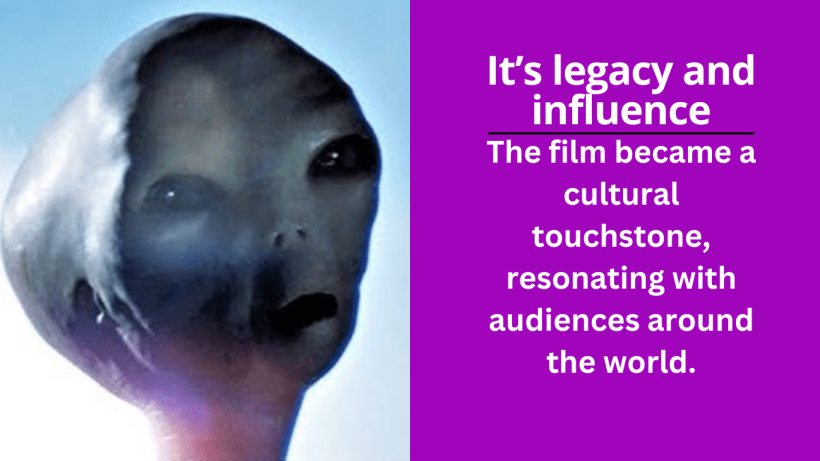
It’s legacy and influence
The legacy of Close Encounters of the Third Kind stretches far beyond its initial release in 1977. Directed by the legendary Steven Spielberg, this science fiction masterpiece has had a profound influence on future films within the genre.
One of the key elements that sets Close Encounters apart is its exploration of humanity’s fascination with extraterrestrial life. The film beautifully captures the awe and wonder that comes with the possibility of encountering beings from other worlds. This theme has since become a recurring motif in science fiction films, with many drawing inspiration from Close Encounters’ portrayal of the unknown.
Furthermore, the film’s innovative use of special effects revolutionized the way movies were made. Spielberg’s meticulous attention to detail and his ability to seamlessly blend practical effects with groundbreaking visual effects left a lasting impact on the industry. Close Encounters paved the way for future filmmakers to push the boundaries of what was possible on the silver screen.
In addition to its technical and thematic influence, Close Encounters also left a cultural imprint. The film became a cultural touchstone, resonating with audiences around the world. Its iconic scenes, such as the communication sequence with the musical tones and the awe-inspiring spaceship finale, have become deeply ingrained in cinematic history.
The success of Close Encounters not only solidified Spielberg’s status as a master storyteller but also inspired a generation of filmmakers. Its influence can be seen in subsequent films like E.T. the Extra-Terrestrial, Independence Day, and Arrival, all of which owe a debt to the groundbreaking work of Close Encounters.
Close Encounters of the Third Kind has left an indelible mark on the world of cinema. Its exploration of humanity’s fascination with extraterrestrial life, innovative use of special effects, and cultural significance have ensured its place as a cult classic. The film’s legacy continues to inspire and influence filmmakers to this day, making it a timeless masterpiece that will always be celebrated for its cultural significance.
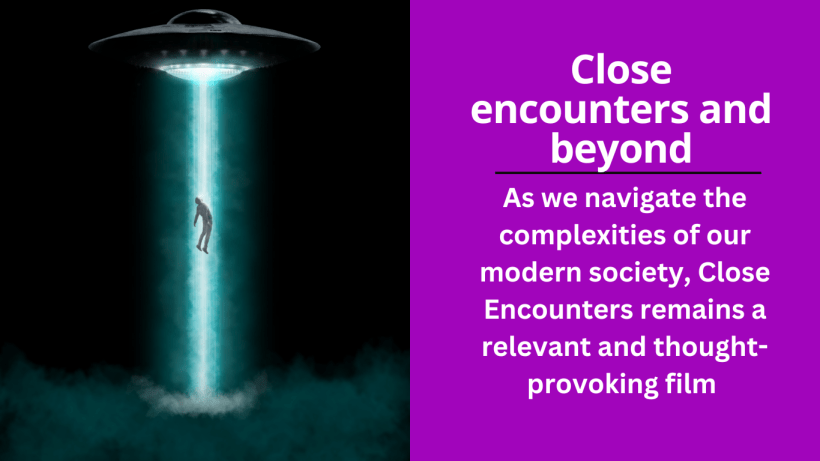
Close encounters and beyond
As we navigate the complexities of our modern society, Close Encounters remains a relevant and thought-provoking film that reminds us of the boundless potential of the human spirit and our eternal quest for understanding. Its enduring popularity and cultural significance are a testament to its impact and a testament to the power of storytelling. Close Encounters of the Third Kind is not just a science fiction film; it is a cultural phenomenon that continues to resonate with audiences to this day. Through its exploration of humanity’s fascination with extraterrestrial life and its underlying themes of connection, communication, and curiosity, the film serves as a reflection of our collective search for meaning and understanding in an ever-changing world.
Whether you are a fan of science fiction or not, “Close Encounters of the Third Kind” is a must-watch film that has left an indelible mark on popular culture. What about you, have you seen this movie before? If so, what are your thoughts about it and its theme’s? Did this movie appeal to you or was it just another in a long list of sci fi flicks that tried to make us look more benevolent than we actually are and not show the dangers of engaging with species outside of our planet? Let me know your thoughts in the comments below and thank you for sharing in my memories of this amazing movie.


 Gay in the CLE