
Cirrhosis is a serious medical condition that affects the liver and is often the result of long-term liver damage. This condition can affect the digestive system in a variety of ways, making it difficult for patients to digest food and absorb nutrients properly. Understanding the changes that occur in the digestive system with cirrhosis can help patients manage their symptoms and maintain better overall health. In this post, we will break down the basics of cirrhosis and its effect on the digestive system, including the symptoms and complications that can arise. We will also provide some tips on how to manage this condition and maintain a healthy lifestyle. Whether you have been diagnosed with cirrhosis or just want to learn more about this condition, this post will provide valuable insights into understanding the digestive system changes that occur with cirrhosis.

The basics of cirrhosis
Cirrhosis is a chronic and progressive disease that affects the liver. It is characterized by the replacement of healthy liver tissue with scar tissue, which impairs the liver’s ability to function properly. The scar tissue that develops in cirrhosis is a result of long-term liver damage from various causes, such as excessive alcohol consumption, hepatitis B or C infection, nonalcoholic fatty liver disease, or other conditions that cause inflammation in the liver.
The liver is a vital organ that performs many important functions, including detoxifying harmful substances in the body, producing bile to aid in digestion, and regulating blood sugar levels. When the liver is damaged and scarred, these functions become compromised, leading to various symptoms and complications associated with cirrhosis.
Early stages of cirrhosis may not show any symptoms, but as the disease progresses, symptoms such as fatigue, weight loss, jaundice, abdominal pain, and swelling in the legs may appear. In advanced stages, cirrhosis can cause severe damage to the liver, leading to liver failure, hepatic encephalopathy, and other life-threatening complications.
Cirrhosis is a serious condition, but it can be managed with proper treatment and lifestyle changes. Early diagnosis and intervention are crucial in preventing further liver damage and improving outcomes for patients with cirrhosis. If you suspect that you or someone you know may have cirrhosis, it’s important to seek medical advice and get a proper diagnosis as soon as possible.

Digestive changes during cirrhosis
Cirrhosis is a condition that affects the liver, but it can also have a profound impact on the digestive system. As the liver becomes damaged and scarred, it can no longer function properly, leading to a number of changes throughout the digestive system.
One of the most significant changes is the buildup of toxins in the bloodstream. Normally, the liver filters toxins out of the blood, but when it is no longer working properly, these toxins can accumulate and cause a variety of symptoms. Patients with cirrhosis may experience nausea, vomiting, and loss of appetite as a result of this toxic buildup.
Another common symptom of cirrhosis is ascites, which is the accumulation of fluid in the abdomen. This can cause bloating and discomfort, but it can also lead to more serious complications if the fluid becomes infected or puts pressure on other organs.
Cirrhosis can also cause changes in the way the body processes nutrients. Patients may experience malabsorption, which means that they are not absorbing nutrients from their food as efficiently as they should be. This can lead to malnutrition and weight loss.
In addition to these changes, cirrhosis can also cause a range of other digestive symptoms, including diarrhea, constipation, and indigestion. It is important for patients with cirrhosis to work closely with a healthcare provider to manage these symptoms and maintain their overall health and wellbeing.

The effects on the liver
Cirrhosis is a chronic liver disease that occurs when healthy liver tissue is replaced by scar tissue, which is non-functional. The liver is an incredibly important organ, responsible for filtering out toxins from the bloodstream, producing bile to help digest fats, and storing glucose for later use. As cirrhosis progresses, the liver becomes increasingly damaged and is unable to perform these crucial functions.
One of the most serious consequences of cirrhosis is that it can lead to liver failure, which can be life-threatening. The liver is also responsible for producing proteins that are essential for blood clotting, so cirrhosis can increase the risk of bleeding and bruising. Additionally, the liver is responsible for breaking down medications and removing them from the body, so cirrhosis can cause medications to accumulate to toxic levels.
Cirrhosis can also affect the digestive system in other ways. For example, the liver produces bile, which helps to digest fats. However, when the liver is damaged by cirrhosis, it may not produce enough bile, leading to problems with fat digestion. This can cause diarrhea, malnutrition, and weight loss.
Finally, cirrhosis can lead to an increased risk of developing liver cancer. This is because cirrhosis causes changes in the liver cells that can lead to the development of cancerous tumors. For this reason, it is important that individuals with cirrhosis receive regular screenings to detect any early signs of liver cancer.

The effects on nutrient absorption
Cirrhosis is a chronic liver disease that can lead to severe liver damage, and one of the many ways it affects the body is by impairing nutrient absorption. The liver plays a crucial role in processing and storing nutrients, and when it is damaged by cirrhosis, it can no longer carry out this function effectively. This can lead to malnutrition and other complications that can further exacerbate the cirrhosis.
Cirrhosis can affect the absorption of many important nutrients, including vitamins, minerals, and proteins. For example, vitamin D and calcium absorption can be impaired, leading to bone disease. Vitamin K absorption can also be affected, which can lead to bleeding problems. Protein absorption can be impaired as well, which can lead to muscle wasting and weakness.
In addition, cirrhosis can also affect the absorption of carbohydrates, leading to insulin resistance and an increased risk of diabetes. This can further complicate the nutritional needs of individuals with cirrhosis, and make it even more challenging to manage their condition.
It is important for individuals with cirrhosis to work closely with their healthcare providers and a registered dietitian to develop a nutrition plan that meets their unique needs. This may involve taking supplements, increasing protein intake, and making other dietary changes to manage the effects of cirrhosis on nutrient absorption. By taking steps to manage their nutrition, individuals with cirrhosis can help improve their overall health and reduce the risk of complications.

The importance of diet in management
Diet plays a crucial role in managing cirrhosis. It is important to understand that the liver plays a key role in digestion by producing bile that helps in breaking down fats and absorbing fat-soluble vitamins. When the liver is damaged due to cirrhosis, it can no longer perform this function effectively. This can lead to malnutrition and weight loss.
Patients with cirrhosis should follow a balanced diet that is low in sodium and protein. Sodium can cause fluid retention, leading to swelling in the legs, abdomen, and lungs. Protein is broken down in the liver, and a damaged liver may not be able to handle excessive protein. Therefore, restricting protein intake is necessary in cirrhosis.
Patients with cirrhosis should also avoid alcohol as it can further damage the liver. Instead, they should consume a variety of fruits, vegetables, whole grains, and lean protein sources such as fish, poultry, and legumes. It is also important to consume foods that are rich in vitamins and minerals such as calcium, magnesium, and vitamin D to help maintain bone health.
In some cases, patients with cirrhosis may require nutritional supplements such as vitamin B complex, vitamin C, and zinc to help boost their immune system and promote healing. It is important to consult a registered dietitian to help develop a personalized nutrition plan that meets the specific needs of the patient. By following a healthy diet, patients with cirrhosis can improve their overall health and quality of life.

Cirrhosis and gut microbiology changes
Cirrhosis is a serious condition that affects the liver and can have a significant impact on the digestive system. In recent years, scientists have discovered a link between cirrhosis and changes in the gut microbiome, which is the collection of microorganisms that live in the digestive tract.
The gut microbiome plays a crucial role in maintaining the health of the digestive system. It helps to break down food, aids in the absorption of nutrients, and plays a vital role in regulating the immune system. When the balance of the gut microbiome is disrupted, it can lead to a range of health problems.
In people with cirrhosis, changes in the gut microbiome can cause further damage to the liver and increase the risk of complications. The presence of harmful bacteria in the gut can lead to inflammation and damage to the intestinal wall, which can contribute to the progression of cirrhosis.
On the other hand, certain types of beneficial bacteria in the gut can help to protect against cirrhosis and other liver diseases. For example, some studies have found that probiotics, which are live bacteria and yeasts that are good for the digestive system, can help to reduce inflammation and improve liver function in people with cirrhosis.
Overall, the link between cirrhosis and gut microbiome changes highlights the importance of maintaining a healthy gut microbiome. This can be achieved through a balanced diet, regular exercise, and the use of probiotics and other supplements that promote digestive health. By taking steps to support a healthy gut, people with cirrhosis can reduce their risk of complications and improve their overall health and wellbeing.

7 Symptoms of cirrhosis-related digestive changes
Cirrhosis is a condition that affects liver function and can lead to significant changes in the digestive system. As the liver loses its ability to function properly, a range of symptoms can arise that impact the digestive process. Some of the most common symptoms of cirrhosis-related digestive system changes include:
1. Nausea and vomiting: These symptoms can be caused by a buildup of toxins in the body due to impaired liver function.
2. Abdominal pain: Cirrhosis can cause inflammation and swelling in the abdomen, leading to discomfort and pain.
3. Diarrhea: Changes in the digestive system can lead to diarrhea, which can be chronic and difficult to manage.
4. Constipation: In some cases, cirrhosis can cause constipation due to changes in the way the digestive system processes waste.
5. Loss of appetite: As liver function declines, the body’s ability to digest food and absorb nutrients can be impacted, leading to a loss of appetite.
6. Weight loss: In addition to loss of appetite, cirrhosis-related changes in the digestive system can cause weight loss due to malabsorption of nutrients.
7. Swelling in the legs and feet: As the liver becomes less effective at removing excess fluids from the body, swelling can occur in the legs and feet.
If you are experiencing any of these symptoms, it’s important to speak with your healthcare provider. Treatment for cirrhosis-related digestive system changes will depend on the severity of the condition and can range from lifestyle modifications to medication or surgery. With proper management, many people with cirrhosis can improve their digestive health and quality of life.
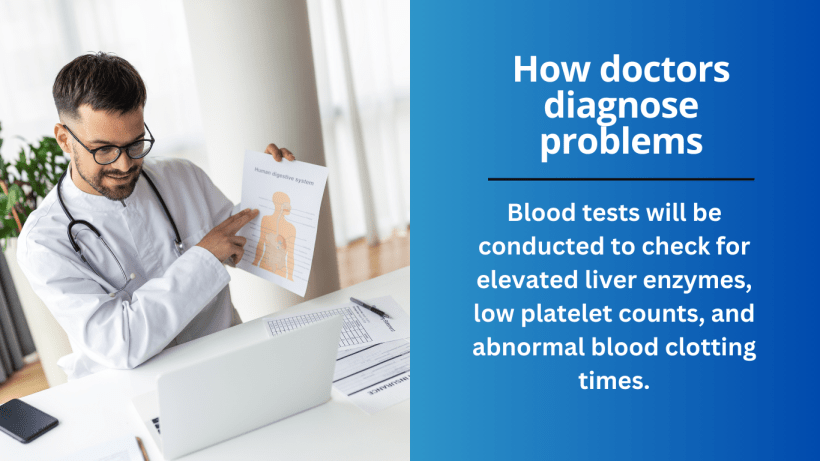
How doctors diagnose problems
If you are experiencing any digestive system problems related to cirrhosis, it is important to seek medical attention immediately. Your doctor will begin by performing a physical examination and reviewing your medical history. They will also conduct a thorough series of tests to determine the extent of your liver damage and the severity of your cirrhosis-related digestive system issues.
Blood tests will be conducted to check for elevated liver enzymes, low platelet counts, and abnormal blood clotting times. Your doctor may also use imaging tests such as ultrasound, CT scan, or MRI to assess the condition of your liver and surrounding organs. In some cases, a biopsy may be necessary to confirm the diagnosis of cirrhosis and assess the severity of the disease.
Once a diagnosis has been confirmed, your doctor will work with you to develop a personalized treatment plan based on the specific symptoms you are experiencing. This may involve a combination of lifestyle changes, medications, and/or surgical interventions to help manage your cirrhosis-related digestive system problems and prevent further damage to your liver. It is important to work closely with your doctor to ensure that you receive the most effective treatment possible and that you take steps to prevent further damage to your liver and overall health.
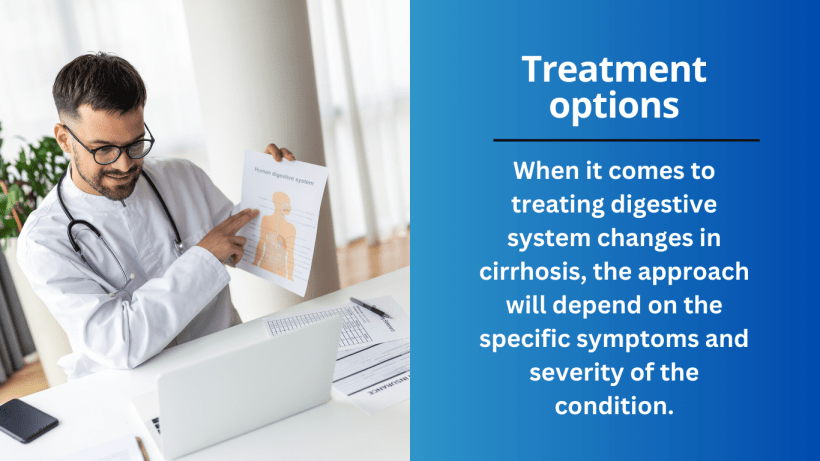
Treatment options for digestive changes
When it comes to treating digestive system changes in cirrhosis, the approach will depend on the specific symptoms and severity of the condition. Some of the most common treatment options include:
1. Medication: In some cases, medication may be prescribed to manage symptoms like nausea, vomiting, and diarrhea. For example, anti-nausea drugs may be given to help alleviate feelings of sickness.
2. Dietary changes: Changes in diet can help manage digestive symptoms, particularly if the liver is having a hard time processing certain foods. Doctors may recommend reducing salt intake and avoiding alcohol and caffeine.
3. Endoscopic therapy: In cases where cirrhosis has led to varices (enlarged veins) in the esophagus or stomach, endoscopic therapy may help. This involves using an endoscope to identify and treat varices, preventing them from rupturing and causing bleeding.
4. Surgery: In severe cases, surgery may be necessary to address digestive system changes caused by cirrhosis. For example, a liver transplant may be recommended if the liver has been severely damaged.

It’s all connected
It’s important to remember that treatment for cirrhosis is a collaborative approach between the patient and their healthcare team. By working together, patients can receive the personalized care they need to manage their symptoms and live a healthy life. Understanding the changes that occur in the digestive system during cirrhosis can help patients and their loved ones manage the symptoms and improve their quality of life. By following the recommended lifestyle changes and seeking proper medical treatment, those with cirrhosis can still lead a fulfilling and healthy life.
Do you or someone you know have cirrhosis? Was this article helpful in understanding the complex issues that revolve around cirrhosis and its effects on a person? Maybe you have been diagnosed with cirrhosis and looking for information, there are avenues to find help. Remember to talk with and listen to you doctor. Your health can become much more fragile more quickly, Work to change any lifestyle issues that can be contributing to the diagnosis and dont be afraid to ask for help. Trust me, I get it, telling people you have cirrhosis you think people will judge you. Your life is more precious than any judgement that can be leveraged against you. Living is more important.


 Gay in the CLE
the best information
LikeLike
Thank you, Kenya. Glad you found it helpful
LikeLike