
Hello. My name is Keith and I have cirrhosis. I was diagnosed having compensated cirrhosis in April 2021. Since that time, it has been a constant quest to learn as much as I can about this disease, how to manage it, and how to get better. The road is long and the prognosis says I cant be healed, but that doesn’t stop me. Instead, I prefer to share my journey and help educate others about what cirrhosis is, how it can affect you, and how you can live your best life with it.
Cirrhosis is a condition that impacts millions of people worldwide. It occurs when the liver sustains damage over a long period of time, leading to scarring and the eventual loss of liver function. Those living with cirrhosis must contend with a variety of physical and emotional challenges on a daily basis. From fatigue and loss of appetite to jaundice and ascites, the effects of cirrhosis can be difficult to manage. In this post, we’ll explore the daily effects of cirrhosis on the body, as well as offer tips for managing the condition and improving overall quality of life. Whether you’re living with cirrhosis yourself or know someone who is, this post will provide valuable insight into this common yet often misunderstood condition.
Join me today as I share some info on what cirrhosis is, how you get it, how it can affect you, and how you can live better with it.
Cirrhosis: The what and hows
Cirrhosis is a chronic liver disease that gradually replaces healthy liver tissue with scar tissue, causing the liver to malfunction. When the liver is damaged beyond repair, it leads to cirrhosis. The damage caused to the liver can be due to a number of factors such as hepatitis B and C, alcoholic liver disease, non-alcoholic fatty liver disease, autoimmune hepatitis, among many others.
As the liver is a vital organ that performs many important functions, such as filtering toxins from the blood, producing bile that helps in digestion, and regulating blood sugar levels, any damage to the liver can have a significant impact on the body.
In the early stages, patients may not experience any symptoms, and cirrhosis may only be detected during routine medical tests. However, as the disease progresses, symptoms such as fatigue, loss of appetite, weight loss, nausea, vomiting, abdominal swelling, jaundice, and itching may occur.
Cirrhosis can also lead to complications such as portal hypertension, ascites, hepatic encephalopathy, and liver cancer, which can further worsen the condition. Therefore, it is important to understand the causes, symptoms, and effects of cirrhosis on the body to manage the disease efficiently and prevent further damage to the liver.
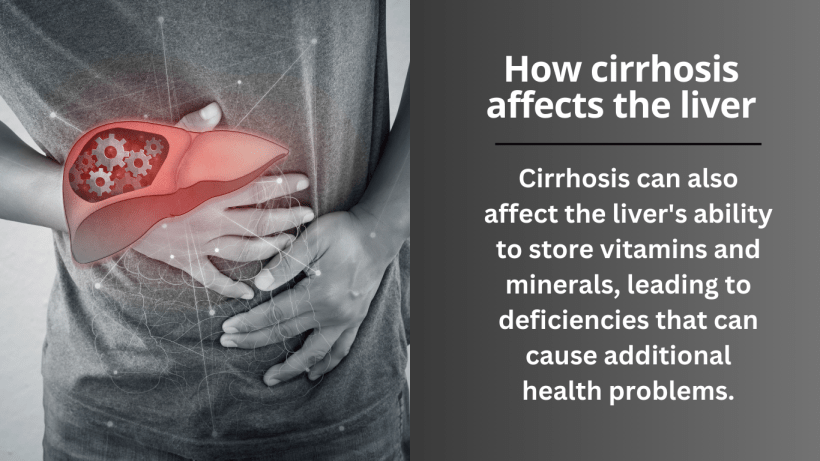
How cirrhosis affects the liver
Cirrhosis is a condition that affects the liver and can lead to severe damage. The liver is one of the body’s essential organs, responsible for filtering toxins from the body, producing bile to aid in digestion, and storing vitamins and minerals.
When the liver is damaged due to cirrhosis, it can no longer perform these functions effectively. Scar tissue forms in the liver, making it hard and lumpy. This scar tissue affects the liver’s ability to filter toxins, leading to a buildup of harmful substances in the body, which can cause various health problems.
In addition to this, the liver’s ability to produce bile is also affected, leading to digestion problems. As a result, people with cirrhosis often experience symptoms such as nausea, vomiting, and diarrhea. They may also experience abdominal pain and swelling due to fluid buildup in the abdomen, known as ascites.
Cirrhosis can also affect the liver’s ability to store vitamins and minerals, leading to deficiencies that can cause additional health problems. For example, a lack of vitamin K can cause excessive bleeding, while a lack of vitamin D can cause weak bones.
It’s important to understand how cirrhosis affects the liver and its functions so that those living with this condition can manage their symptoms and take steps to prevent further damage to their liver.
The day to day of cirrhosis
Cirrhosis is a chronic liver disease that causes extensive damage to the liver, leading to a range of symptoms that can impact the body’s normal functions. The severity of the symptoms can vary depending on the severity of the disease and the individual’s overall health.
One of the common symptoms of cirrhosis is fatigue, which can affect the individual’s ability to perform daily tasks and lead to a decrease in overall quality of life. Additionally, individuals with cirrhosis may experience a loss of appetite, leading to unintended weight loss and malnutrition. This can further weaken the body and make it more difficult to fight off infections.
In more advanced stages of cirrhosis, individuals may experience jaundice, which can cause the skin and whites of the eyes to turn yellow. This occurs when the liver is no longer able to properly filter bilirubin, leading to a buildup in the bloodstream.
Cirrhosis can also lead to the development of ascites, which is a buildup of fluid in the abdomen. This can cause discomfort, bloating, and difficulty breathing. In some cases, the fluid may need to be drained through a procedure called paracentesis.
Other symptoms of cirrhosis can include confusion, memory loss, and difficulty concentrating, which can impact an individual’s ability to work or perform daily tasks. It is important for individuals with cirrhosis to work closely with their healthcare team to manage symptoms and maintain their overall health.
Fatigue, weakness, and cirrhosis
Fatigue and weakness are common symptoms of cirrhosis and can greatly impact a person’s daily life. Managing these symptoms can be challenging, but there are several things that can help.
Firstly, it’s important to get enough rest. Adequate sleep is crucial in combating fatigue, and it’s recommended to aim for 7-8 hours of sleep each night. Taking short naps during the day can also help to boost energy levels.
It’s also important to stay active. Regular exercise can help to combat fatigue and weakness, and can also improve overall physical and mental health. However, it’s important to speak to a healthcare provider before starting any exercise program, as some types of exercise may not be safe for those with cirrhosis.
In addition to rest and exercise, diet can also play a role in managing fatigue and weakness. A balanced diet rich in nutrients can help to improve energy levels and overall health. It’s important to avoid alcohol and limit salt intake, as these can both exacerbate cirrhosis symptoms.
Finally, medication may be prescribed to help manage fatigue and weakness. These medications may include stimulants or other drugs designed to improve energy levels and combat fatigue.
Managing fatigue and weakness associated with cirrhosis can be challenging, but with the right strategies and treatment plan, it’s possible to improve quality of life and manage symptoms effectively.
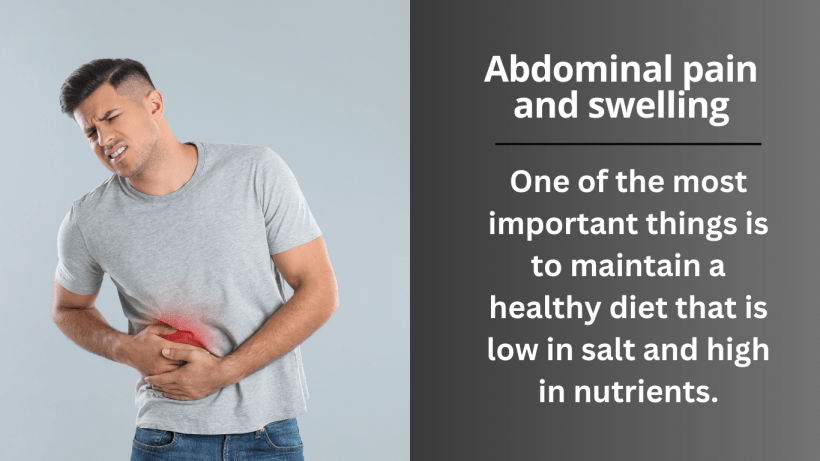
Abdominal pain and swelling
Cirrhosis is a serious medical condition that impacts the liver, and it is important to understand how it can affect your body. One of the most common symptoms of cirrhosis is abdominal pain and swelling. The pain can be intense and persistent, making it difficult to perform daily activities and reducing your quality of life.
When coping with this symptom, there are several things you can do to alleviate the pain and swelling. One of the most important things is to maintain a healthy diet that is low in salt and high in nutrients. This can help to reduce fluid buildup in the abdomen, which can contribute to swelling and discomfort.
It is also important to talk to your doctor about pain management strategies. Depending on the severity of your pain, you may be prescribed medications or other treatments to help manage your symptoms. Additionally, some people find relief from alternative therapies such as acupuncture or massage, which can help to ease muscle tension and reduce pain.
In addition to these strategies, it is important to take care of yourself and your mental health. Living with a chronic condition like cirrhosis can be stressful and overwhelming, and it is important to seek support from family, friends, and healthcare professionals. Participating in support groups or therapy sessions can help you to cope with the emotional toll of the condition and improve your overall well-being.
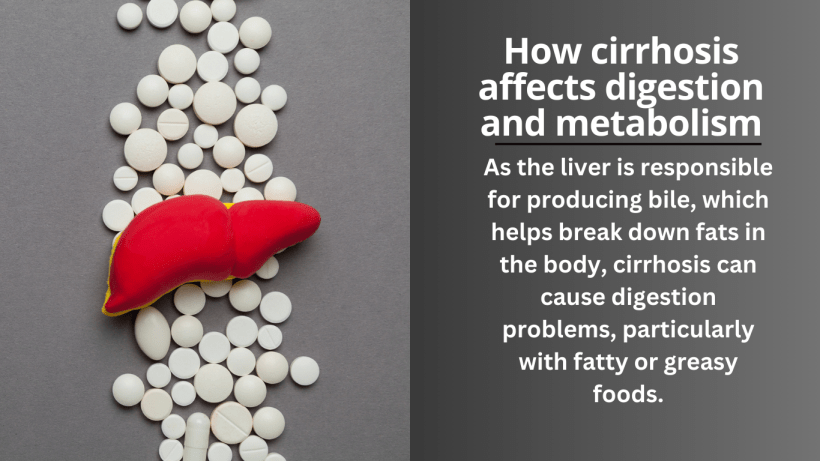
How cirrhosis affects digestion and metabolism
Cirrhosis is a chronic liver disease that can have a significant impact on digestion and metabolism. As the liver is responsible for producing bile, which helps break down fats in the body, cirrhosis can cause digestion problems, particularly with fatty or greasy foods. This can be due to a build-up of toxins in the liver, which can lead to inflammation and damage to the liver cells.
In addition to digestive issues, cirrhosis can also impact metabolism. The liver plays a crucial role in metabolizing nutrients, including carbohydrates, proteins, and fats. When the liver is damaged, it can struggle to process these nutrients effectively, leading to a range of symptoms such as fatigue, weakness, and weight loss.
Cirrhosis can also cause changes in the way the body stores and uses energy, leading to insulin resistance and an increased risk of developing type 2 diabetes. This can make it harder for the body to regulate blood sugar levels, leading to a range of symptoms such as increased thirst and frequent urination.
Managing the impact of cirrhosis on digestion and metabolism is an important part of living with this condition. This may involve changes to your diet, such as reducing your intake of fatty or greasy foods, and increasing your intake of protein and fiber. It may also involve working with a healthcare professional to manage any complications related to insulin resistance or diabetes. By taking a proactive approach to managing cirrhosis, it is possible to reduce the impact of this condition on your daily life and maintain your overall health and wellbeing.
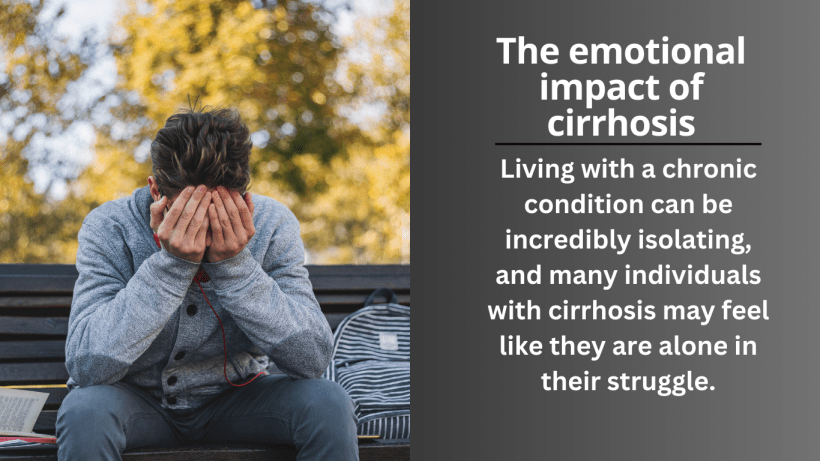
The emotional impact of cirrhosis
Cirrhosis is a chronic condition that affects the liver, and it can have a significant emotional impact on individuals who are living with it. The symptoms of cirrhosis can be both physical and emotional, and it’s important to address both aspects of the condition in order to manage it effectively.
The physical symptoms of cirrhosis can include fatigue, abdominal pain, and jaundice, among others. These symptoms can be difficult to manage on a day-to-day basis, and they can leave individuals feeling drained and overwhelmed. However, the emotional impact of cirrhosis can be just as significant.
Living with a chronic condition can be incredibly isolating, and many individuals with cirrhosis may feel like they are alone in their struggle. Depression and anxiety are common among individuals with cirrhosis, and it’s important to address these emotional symptoms in order to improve overall quality of life.
If you or someone you know is living with cirrhosis, it’s important to seek out emotional support in addition to medical treatment. This can include talking to a therapist or counselor, joining a support group, or simply talking to friends and family members about the challenges of living with cirrhosis. By addressing the emotional impact of the condition, individuals with cirrhosis can lead more fulfilling and satisfying lives despite the challenges they face.

Managing cirrhosis through lifestyle changes and medicine
Cirrhosis is a chronic condition that affects the liver and can have serious consequences if not managed properly. Lifestyle changes and medical treatment are two important ways to manage the condition and improve quality of life.
One of the most important lifestyle changes to make is to avoid alcohol consumption. Alcohol puts added stress on the liver and can cause further damage to liver cells. It is also important to maintain a healthy diet, which includes avoiding foods that are high in salt, sugar, and fat. A low-sodium diet can help reduce fluid buildup in the body, which is a common symptom of cirrhosis.
Medical treatment for cirrhosis may include medication to manage symptoms or to help slow the progression of the disease. Patients may also be prescribed diuretics to help remove excess fluid in the body. In addition, regular monitoring and screening for complications such as liver cancer is important.
It is also important for patients to work closely with their healthcare provider and follow their treatment plan. This may include regular check-ups, blood tests, and imaging studies to monitor the progression of the disease. Patients with cirrhosis may also benefit from support groups and counseling to help manage the emotional and psychological effects of living with a chronic condition.

Why monitoring cirrhosis is important
For patients with cirrhosis, regular check-ups and monitoring are crucial in managing the condition. Cirrhosis is a chronic illness that develops over time, and its effects on the body can be unpredictable. Without proper monitoring, the condition can worsen quickly, leading to life-threatening complications.
During regular check-ups, healthcare providers will assess the patient’s liver function, blood pressure, fluid build-up, and any other symptoms or concerns the patient may have. They may also perform imaging tests, such as ultrasounds or CT scans, to monitor the liver’s condition and check for any changes or complications.
Additionally, patients with cirrhosis are at an increased risk for developing liver cancer. Regular monitoring allows healthcare providers to detect any signs of cancer early on, when it is more treatable.
It’s important for patients to attend all scheduled check-ups and appointments and to communicate any changes or concerns they may have with their healthcare provider. Taking an active role in monitoring and managing cirrhosis can help patients stay healthy and prevent complications.

Tips and tricks for maintaining quality of life
Living with cirrhosis can be challenging, but it is possible to lead a fulfilling life with the right tips and tricks to maintain quality of life. Here are some strategies that can help:
1. Follow a healthy diet: Eating a balanced diet can help to reduce the symptoms of cirrhosis and improve overall health. Foods that are rich in fiber, protein, and low in sodium are recommended.
2. Stay active: Regular exercise can help to improve muscle strength and reduce the risk of complications associated with cirrhosis. Walking, cycling, and swimming are all good forms of exercise.
3. Manage symptoms: Cirrhosis can cause a range of symptoms such as fatigue, itching, and abdominal pain. It is important to work with a healthcare provider to manage these symptoms effectively.
4. Avoid alcohol: Alcohol can worsen cirrhosis symptoms and cause further damage to the liver. It is important to avoid alcohol completely to maintain quality of life.
5. Stay connected: Staying connected with family and friends can provide emotional support and improve mental health. Joining a support group can also be helpful.
6. Manage medications: It is important to take medications as prescribed and work with a healthcare provider to manage any side effects.
By following these tips and tricks, it is possible to maintain a high quality of life while living with cirrhosis. It is important to work closely with a healthcare provider and make lifestyle changes to manage this condition effectively.
This is only the beginning
Cirrhosis is often considered a disease that you have to deal with. There are few treatments to help you get better, there is a limited amount of things you can do to feel better daily, and your outcome is always the same. That all being said, cirrhosis isn’t a death sentence. You can live with it and you can even keep it in check. With the proper changes to you lifestyle, you can live your life with very minimal interruptions. It is all in how much you put into it and what you want out of it.
We hope this article has provided a helpful insight into living with cirrhosis and the daily effects it can have on the body. Living with a chronic condition can be challenging, but understanding the symptoms and how to manage them can greatly improve your quality of life. Remember to always consult with your healthcare provider and follow their advice for managing your cirrhosis. Let me know in the comments below if this article has been helpful or not for you. If you are struggling with how to manage cirrhosis, what things have you found that help you along? Did you learn anything you didn’t know in this article? Drop your comments below, you never know who you might help with your insights.
Thank you for reading, and we wish you all the best on your journey towards better health.


 Gay in the CLE