
In today’s society, there is an overwhelming pressure to look a certain way. We are constantly bombarded with images of “perfect” bodies and told that we need to diet in order to achieve that ideal. But the truth is, dieting is not sustainable in the long run. It’s a short-term solution to a long-term problem.
In this post, we’re going to talk about shifting from dieting to lifestyle changes. We’ll discuss what the difference is and why it’s so important. We’ll cover the benefits of making lifestyle changes, as well as the pitfalls of dieting. You’ll learn how to make small, sustainable changes to your lifestyle that will have a big impact on your overall health and wellness. So, whether you’re looking to lose weight, improve your digestion, or just feel better in your own skin, read on to learn how to make the shift from dieting to lifestyle changes.
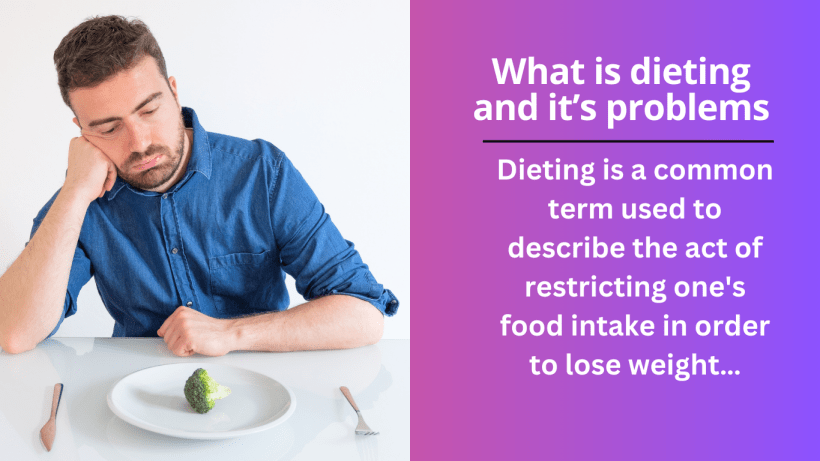
What is dieting and its problems
When it comes to making changes in our eating habits, the word “diet” is often the first thing that comes to mind. However, diets often have a negative connotation, as they are often associated with restrictive eating, quick fixes, and unsustainable habits. This is why the shift from dieting to making lifestyle changes has been gaining popularity in recent years. But what exactly is the difference between the two? And why is it important to make the shift?
Dieting is a common term used to describe the act of restricting one’s food intake in order to lose weight or achieve a certain body shape. Dieting is often seen as a quick fix solution for weight loss. It promises fast results, and many diets out there claim to be the ultimate answer to achieving your ideal body weight. Restrictive diets can often lead to nutritional deficiencies. For instance, if you follow a low-carb or no-carb diet, you may miss out on important vitamins and minerals that are essential for your overall health and wellbeing. This can lead to fatigue, weakness, and other health problems.
The biggest problem with dieting is that it often involves unsustainable changes to eating habits, making it difficult to maintain in the long term. Things like calorie or food restrictions. This can lead to a cycle of yo-yo dieting, where weight is lost and gained repeatedly over time.
Another problem with dieting is that it can lead to a negative relationship with food. When you follow strict diets, you may feel guilty or ashamed when you indulge in a treat or when you eat something that is not on your list of approved foods. This can lead to feelings of anxiety, stress and even depression.
What are lifestyle changes?
Lifestyle changes are long-term adjustments to one’s daily routine that incorporate healthy habits and practices into their lifestyle. Unlike dieting which focuses on short-term weight loss goals, lifestyle changes prioritize the overall health and wellbeing of an individual. This can include changes in diet, physical activity, sleeping habits, stress management, and even social interactions.
The goal of lifestyle changes is not to deprive oneself of certain foods or activities but to establish a sustainable and healthy routine that can be maintained over time. For example, instead of drastically cutting out all carbohydrates from your diet for a few weeks to lose weight, a lifestyle change would involve gradually incorporating more whole grains and complex carbohydrates into your diet while reducing the intake of processed and refined
foods.
When you shift from dieting to lifestyle changes, you’ll start to see many benefits that you never experienced while dieting. One of the major benefits is that you will no longer have to endure the feelings of deprivation and guilt that come with dieting. Instead, you will develop a healthier relationship with food and will enjoy eating in a more balanced and mindful way.
Making lifestyle changes can also positively impact your mental health. When you’re focused on dieting, you may become obsessed with food and constantly think about what you can and cannot eat. This can lead to anxiety and negative feelings towards yourself and your body. By making lifestyle changes, you can break free from this cycle and develop a healthier mindset towards food and your body.By making small but consistent changes to your daily routine, you can establish healthy habits that will benefit your overall health in the long run.
How to shift from dieting to lifestyle changes
Shifting from dieting to lifestyle changes can be challenging, but it is a necessary step to achieve long-term health and wellness. The first step is to change your mindset. Instead of viewing your diet as a short-term solution, think of it as a long-term commitment to a healthier lifestyle. This means making sustainable changes that you can maintain over time.
Start by setting realistic goals for yourself. Don’t try to make too many changes all at once, or you may become overwhelmed and give up. Instead, focus on making small changes that you can stick to. For example, start by incorporating more fruits and vegetables into your diet or drinking more water throughout the day. Once you have mastered these small changes, you can gradually add more.
Another important step is to educate yourself about nutrition. Learn about the nutrients your body needs and where to find them in the foods you eat. This will help you make informed choices when it comes to your diet.
It’s also important to find physical activities that you enjoy and incorporate them into your daily routine. Exercise is an essential part of a healthy lifestyle and can help you maintain a healthy weight, reduce stress, and improve your overall well-being.
Remember that it’s okay to indulge in your favorite treats from time to time. The key is to find a balance that works for you and to focus on making healthy choices most of the time.
By making these lifestyle changes, you will not only achieve your weight loss goals but also improve your overall health and well-being. So, take the first step today and start making sustainable changes for a healthier tomorrow.

A change of mindset
When transitioning from dieting to lifestyle changes, the most important thing to focus on is a mindset shift. Dieting often involves strict rules and restrictions that are difficult to maintain in the long term. On the other hand, making lifestyle changes involves a more sustainable approach that can be maintained over time.
To achieve this shift, it’s important to focus on creating healthy habits and routines that become a natural part of your daily life. This could involve things like meal planning, regular exercise, and finding healthier alternatives to your favorite foods.
It’s also important to let go of the idea of perfection. No one is perfect, and there will be times when you may slip up or indulge in less healthy choices. Instead of beating yourself up over these moments, focus on getting back on track and continuing to make progress.
Another important aspect of the mindset shift is to embrace the journey and enjoy the process. Instead of focusing solely on the end goal, celebrate the small victories along the way and appreciate the positive changes you’re making in your life.
By shifting your mindset from dieting to making sustainable lifestyle changes, you’ll be more likely to achieve your health and wellness goals and maintain them over time.
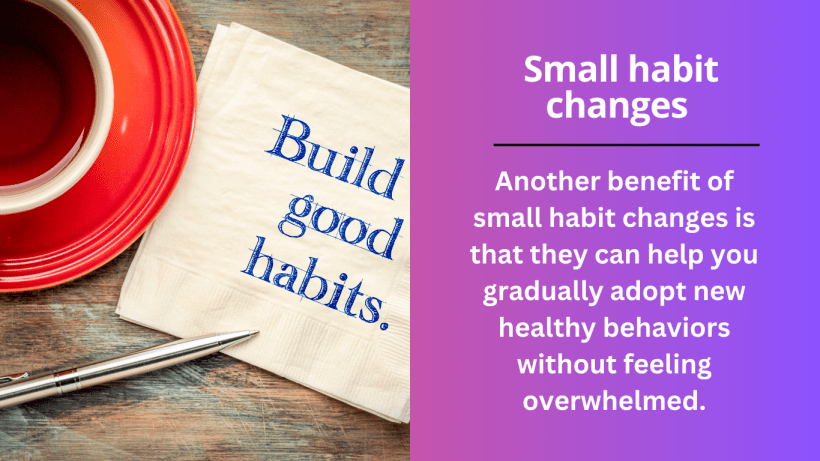
Small habit changes
When it comes to shifting from dieting to lifestyle changes, small habit changes play a major role. It’s important to understand that big changes are difficult to maintain in the long run and can lead to frustration and disappointment if they are not sustainable. This is where small habit changes come in handy.
Small habit changes are easy to adopt and can make a significant difference in the long run. For instance, instead of trying to cut out all carbs from your diet overnight, you can gradually reduce your carb intake by replacing white bread with whole-grain bread, or replacing sugary snacks with fruits or nuts. These small habit changes are easy to stick to and can lead to a significant reduction in calories over time.
Another benefit of small habit changes is that they can help you gradually adopt new healthy behaviors without feeling overwhelmed. For example, if you want to start exercising regularly, start by incorporating a short walk into your daily routine and gradually increase the duration and intensity of your workouts.
Small habit changes can also help you identify what works for you and what doesn’t. By making small changes to your lifestyle, you can monitor how your body responds and adjust your habits accordingly. This can help you create a personalized and sustainable lifestyle that works for you.
5 tips for embracing lifestyle changes
Embracing lifestyle changes can be a daunting task, but it can also be the best decision you make for your health and well-being. Here are some tips to help you make a smooth transition:
1. Start small – don’t try to change everything at once. Pick one or two things that you can realistically change, and focus on those first. Once those changes become habits, you can add more.
2. Have a plan – set specific, achievable goals for yourself, and create a plan for how you’re going to reach them. This will help keep you motivated and on track.
3. Be patient – lifestyle changes take time, and progress may be slow at first. Don’t get discouraged – remember that every small step you take is a step in the right direction.
4. Find support – whether it’s joining a support group, enlisting the help of a friend or family member, or working with a healthcare professional, having someone to support and encourage you can make all the difference.
5. Celebrate your successes – when you reach a goal or make a positive change, take the time to celebrate your success. This will help keep you motivated and remind you of the progress you’ve made.
Remember, lifestyle changes aren’t about perfection – they’re about making small, sustainable changes that will improve your health and well-being over time. With patience, support, and a positive attitude, you can make the shift from dieting to a healthier, happier lifestyle.

Changes to a better life
Shifting from dieting to lifestyle changes can be a significant step towards achieving long-term weight loss and maintenance. While diets tend to be temporary and restrict certain foods or food groups, lifestyle changes focus on sustainable habits that can be maintained for the long haul. This shift involves adopting a positive mindset, setting realistic goals, and making gradual changes to your eating, exercising, and sleeping habits.
Remember that making changes takes time and effort, so be kind to yourself and celebrate your progress along the way. By focusing on sustainable habits and making healthy choices a part of your everyday life, you can achieve your weight loss and health goals without feeling deprived or restricted.
How has lifestyle changes benefited you? How was dieting for you? Do you find either of them easy to implement and keep going? Let me know in the comments below. Thank you for reading.


 Gay in the CLE