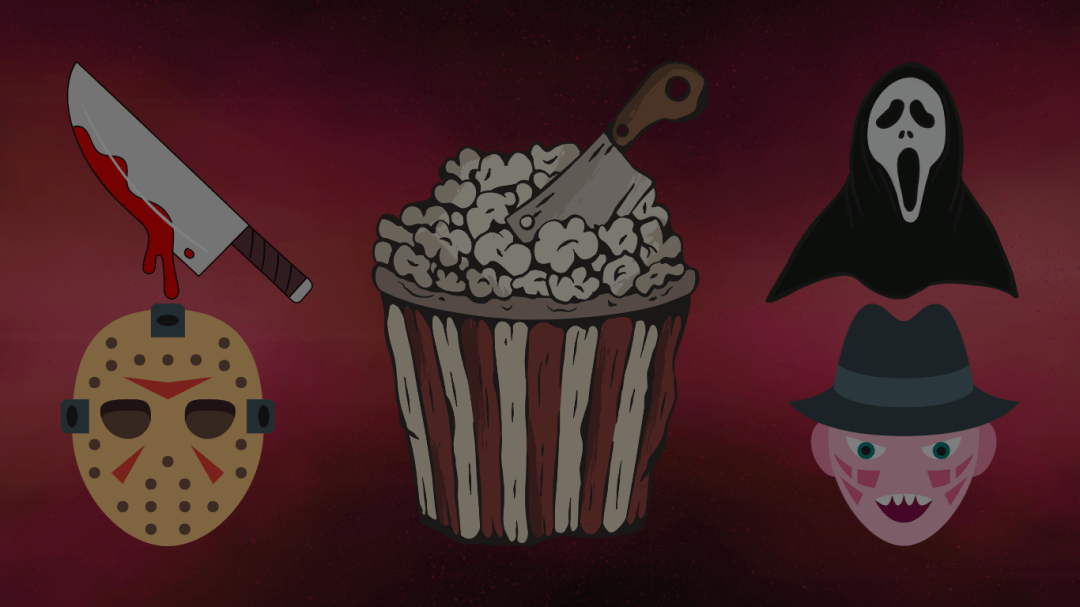
Horror movies have been a part of cinema history since 1896 and the release of “Le Manoir De Diable” (the House of the Devil). From there we would see a string of silent horror enter into the public viewing. The landscape of cinema would be forever changed, that is until the late 1970s and early 80s with the advent of the Slasher Genre. This would take cinema in a whole new and far reaching place and set the stage for what would become our modern horror scene.
The 1980s was the era of the slasher film. With the likes of Michael Myers, Freddy Krueger, and Jason Vorhees terrorizing audiences in theaters, horror cinema was forever changed. The influence of these films has been far-reaching, with modern horror movies still drawing inspiration from the blood, blades, and boogeymen of the past. In this post, we’ll delve deeper into the impact of 1980s slasher films on modern horror cinema. From the tropes and clichés that have become synonymous with the genre to the ways in which these films have influenced the way we perceive and experience fear, we’ll explore how the legacy of the slasher film lives on today. So, grab some popcorn, turn down the lights, and get ready to relive the terror of the 1980s in a whole new way.
Join me as we discuss the Blood, Blades, Boogeymen, and 1980s Slasher movies in the world of cinema.
The enduring appeal of slasher films
Slasher films have left an indelible mark on the horror genre, captivating audiences with their blood-soaked tales, relentless killers, and spine-chilling suspense. Since their rise to prominence in the 1980s, these films have become a staple in the realm of horror cinema, continuing to captivate and terrify audiences to this day.
The slasher film appeal can be attributed to a variety of factors. Firstly, these films tap into our primal fears, playing on our deepest anxieties and morbid curiosities. The masked killers, armed with their trademark blades, embody the embodiment of pure evil, lurking in the shadows and striking fear into the hearts of unsuspecting victims. The sheer brutality and violence depicted in these films create a sense of unease that leaves a lasting impression on viewers.
Slasher films possess a unique ability to explore societal fears and anxieties of the time. Throughout the 1980s, a period marked by cultural and political upheaval, these films served as a reflection of the underlying tensions and fears that permeated society. They often incorporated themes of morality, sexuality, and the consequences of transgressing societal norms, presenting a cautionary tale that resonated with audiences.
Moreover, the success of slasher films can also be attributed to their iconic and memorable villains. Characters like Freddy Krueger, Jason Voorhees, and Michael Myers have become cultural icons, their chilling personas etched into the collective consciousness of horror enthusiasts. The distinctive visuals, haunting masks, and relentless pursuit of their victims have made these characters synonymous with the genre itself.
As we delve deeper into the influence of 1980s slasher films on modern horror cinema, it becomes evident that their impact extends far beyond mere entertainment. These films have shaped the way we perceive and consume horror, leaving a lasting legacy that continues to inspire and terrify filmmakers and audiences alike. Join us on this journey as we unravel the blood-soaked tapestry of slasher films and explore their enduring appeal in the realm of horror cinema.
The origins of 1980s slasher films
The roots of 1980s slasher films can be traced back to the horror films of the 1970s, which laid the groundwork for the genre. Films like “Halloween” (1978) and “Black Christmas” (1974) set the stage for the masked psychopaths that would dominate the screen in the following decade.
However, it was in the 1980s that slasher films truly came into their own. Influenced by the success of films like “Friday the 13th” (1980) and “A Nightmare on Elm Street” (1984), filmmakers began to explore new and creative ways to terrify audiences. These movies often featured young, attractive casts, a mysterious killer, and a high body count, all set against the backdrop of a seemingly idyllic suburban setting.
The success of these films can be attributed to their ability to provide a cathartic experience for viewers. In a world filled with uncertainty and real-life horrors, these movies offered an escape into a controlled and predictable world, where evil could be defeated and order restored by the final credits.
As the 1980s progressed, slasher films became more elaborate and self-aware, incorporating elements of comedy and satire. The genre began to parody itself, with films like “Scream” (1996) paying homage to the classics while subverting audience expectations.

Key elements and tropes of 1980s slasher films
The 1980s was a golden era for slasher films, birthing iconic characters and establishing a set of key elements and tropes that would define the genre for decades to come. These films, with their blood-soaked screens, menacing blades, and relentless boogeymen, left an indelible mark on the landscape of horror cinema.
One of the most notable elements of 1980s slasher films was the introduction of the masked killer. Characters like Michael Myers in “Halloween,” Jason Voorhees in “Friday the 13th,” and Freddy Krueger in “A Nightmare on Elm Street” became household names, each sporting their own unique and terrifying masks. These masks not only concealed the identity of the killer, adding an extra layer of mystery, but also became an iconic symbol of fear.
Another key element of 1980s slasher films was the high body count. These films embraced the concept of “more is more,” with a relentless barrage of gruesome murders. The victims, often young and attractive, would meet their demise in creative and brutal ways, leaving audiences on the edge of their seats. The body count became a benchmark of success for these films, and filmmakers were constantly pushing the boundaries to deliver increasingly shocking and gory scenes.
The final trope that permeated 1980s slasher films was the concept of the final girl. This term refers to the last surviving female character who would ultimately defeat the killer. Often portrayed as resourceful, intelligent, and resilient, the final girl became a symbol of empowerment for viewers. She would use her wits, strength, and determination to outsmart the killer and emerge victorious, challenging traditional gender roles and expectations. This trope not only empowered female characters but also challenged traditional gender roles in horror movies. Moreover, the themes of teenage rebellion, sexual promiscuity, and the consequences of immoral behavior, as explored in 1980s slasher films, continue to resonate in modern horror cinema.
These key elements and tropes of 1980s slasher films not only shaped the genre during that era but also had a lasting impact on modern horror cinema. Filmmakers continue to draw inspiration from these films, paying homage to the iconic masked killers, embracing the high body count, and showcasing strong, resilient female characters. The influence of these films can be seen in both nostalgic throwbacks and innovative reimaginations, ensuring that the legacy of blood, blades, and boogeymen lives on in the world of horror.

Changing the landscape of the horror genre
The 1980s slasher films undeniably had a profound impact on the horror genre, forever changing the landscape of cinema. These films introduced a new level of intensity, creativity, and brutality that captivated audiences and left an indelible mark on the genre as a whole. Their influence can be seen in the way modern horror films are crafted, from the storytelling techniques to the portrayal of villains. These films not only terrified audiences but also paved the way for a new era of horror storytelling, ensuring their place in cinema history.
One of the key contributions of 1980s slasher films was their innovative approach to storytelling. Gone were the days of slow-building suspense; instead, audiences were plunged headfirst into a world of blood-soaked mayhem. The relentless pursuit of the killer, coupled with shocking and graphic violence, kept viewers on the edge of their seats and created a new sense of urgency and dread.
The influence of 1980s slasher films can still be felt in modern horror cinema. The legacy of these films can be seen in the subgenre’s continued popularity, with countless remakes, reboots, and homages paying homage to the classics. The tropes and conventions established in these films, such as the final girl archetype, the cat-and-mouse chase, and the high body count, continue to be employed in contemporary horror movies, serving as a testament to their lasting impact.
One notable example of this evolution is Wes Craven’s groundbreaking film, “Scream” (1996). With its clever blend of horror and dark comedy, “Scream” breathed new life into the slasher genre by introducing a self-referential narrative that dissected the rules and expectations of the genre. The film’s characters were well-versed in horror film knowledge, often referencing classic slasher films and using their knowledge to try and outsmart the killer. This meta approach not only revitalized the slasher genre but also resonated with audiences who were familiar with the tropes and clichés of the genre.
Another notable shift in the 1990s was the incorporation of supernatural elements into slasher films. Films like “Candyman” (1992) and “I Know What You Did Last Summer” (1997) introduced supernatural killers, blurring the lines between reality and the supernatural. This added a new layer of suspense and unpredictability to the genre, as audiences were no longer limited to the constraints of a human killer.
In recent years, slasher films have continued to push boundaries and experiment with new storytelling techniques. Films like “You’re Next” (2011) and “Happy Death Day” (2017) have introduced elements of black comedy and unconventional narratives, subverting audience expectations and challenging the traditional structure of the slasher genre.
The evolution of slasher films in the 1990s and beyond has showcased the genre’s ability to adapt and reinvent itself. From meta-commentary to supernatural elements and technological themes, slasher films have continued to captivate audiences and leave an indelible mark on the landscape of modern horror cinema.

Influence on pop culture and other film genres
The impact of 1980s slasher films on pop culture and other film genres cannot be overstated. These blood-soaked, knife-wielding boogeymen carved their way into the hearts and minds of audiences, leaving an indelible mark on the horror genre and beyond.
The popularity of slasher films in the 1980s also led to the birth of countless imitators and subgenres. From supernatural slashers like “Child’s Play” to the meta-horror of “Scream,” filmmakers drew inspiration from the success of these films and created their own unique takes on the genre. This influence can still be seen in the horror films of today, with elements of the slasher genre often finding their way into other subgenres, such as psychological thrillers or supernatural horror.
The impact of 1980s slasher films extended beyond the realm of horror. The imagery and tropes introduced in these films seeped into popular culture, influencing fashion, music, and even comedy. The iconic hockey mask worn by Jason Voorhees became synonymous with fear, while the eerie synth-driven soundtracks became emblematic of the era. References to these films can be found in various forms of media, from television shows like “Stranger Things” to music videos and fashion trends.
The cultural impact of 1980s slasher films is undeniable. These films not only shaped the horror genre but also left an indelible mark on pop culture as a whole. Their influence can still be felt today, reminding us of the enduring power of blood, blades, and boogeymen in the world of cinema.
I’ll be right back
The influence of 1980s slasher films on modern horror cinema cannot be overstated. From the blood-soaked scenes to the iconic villains, these films have left an indelible mark on the genre. By examining the tropes and techniques employed in these films, we can better understand the evolution of horror and appreciate the ways in which filmmakers continue to pay homage to this era. So, grab your popcorn, dim the lights, and prepare to be terrified as you watch the modern horror films that owe their roots to the blood, blades, and boogeymen of the 1980s.
Do you remember the very first horror movie that you ever saw? Did it leave a lasting impact on you? Has there been a slasher villain that you have maintained loyalty to since the first time you saw them? Let me know in the comments below. Let’s discuss your favorite horror franchises and what makes them your favorite.


 Gay in the CLE