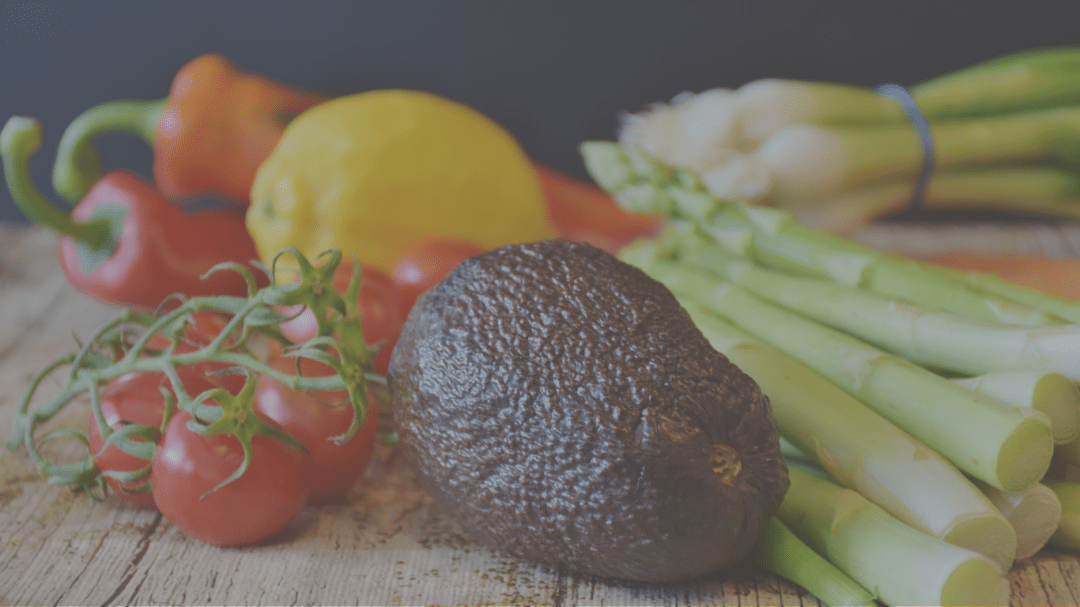
We all know that eating healthy is important for our physical and mental well-being, but sometimes it seems like a luxury that only the wealthy can afford. The cost of fresh produce, lean meats, and organic products can be intimidating for many people, which raises questions about why healthy eating seems more expensive than less healthy options. In this blog post, we’ll explore the economics of healthy eating and why it seems to be more expensive than processed and fast foods. We’ll also provide tips on how to eat healthily on a budget without sacrificing taste or nutrition. By the end of this post, you’ll have a better understanding of how to make healthy eating a sustainable and affordable part of your lifestyle.
The food price paradox
The food price paradox refers to the idea that healthy foods are often perceived to be more expensive than unhealthy ones, even though the opposite may be true. This paradox is a result of various factors such as the manufacturing cost of healthy foods, the economy of scale, and the demand for certain products.
One of the reasons why healthy foods appear more expensive is that the cost of manufacturing them is often higher. This is because healthy foods such as fresh fruits and vegetables have a shorter shelf life and require more care in transport and storage. In contrast, processed foods are often cheaper to produce and can be stored for longer periods of time, which makes them more cost-effective for manufacturers.
Another factor contributing to the food price paradox is the economy of scale. Large food companies have access to more resources and can produce goods at a lower cost than smaller, local businesses. This means that processed foods, which are often made by large corporations, tend to be cheaper than fresh, healthy foods produced by local farmers or small businesses.
Lastly, the demand for certain products also plays a role in the food price paradox. Consumers are more likely to buy products that are marketed as convenient and easy to prepare, even if they are not the healthiest options. As a result, the demand for unhealthy foods remains high, which in turn drives down their price.
Despite these factors, there are ways to make healthy eating more affordable. For example, buying fresh produce in season, buying in bulk, and avoiding pre-packaged foods can all help to lower the cost of healthy eating. Additionally, supporting local farmers and businesses can help to create a more competitive market, which can drive down prices over time. By understanding the food price paradox and taking steps to make healthy eating more affordable, individuals can take control of their own health and well-being.

Why unhealthy food is cheaper
One of the main reasons why unhealthy food is often cheaper is due to the way our food system is set up. Large food corporations receive subsidies from the government to produce certain crops, such as corn and soybeans, which are then used to make highly processed foods like sugary cereals, snacks, and soda. These subsidies make it cheaper for large corporations to produce these types of foods, leading to a surplus of them on the market and lower prices for consumers.
On the other hand, fresh fruits, vegetables, and high-quality meats are often more expensive to produce and require more resources, such as water, labor, and land. These items also have a shorter shelf life and require more care to transport, leading to higher prices in stores.
However, there are ways to eat healthy on a budget. Shopping at farmers’ markets or buying in-season produce can help save money on fresh fruits and vegetables. Buying in bulk and cooking meals at home can also lead to cost savings. It’s important to prioritize whole, nutrient-dense foods and limit highly processed, packaged foods, even if they seem cheaper in the short term. By investing in our health through nutritious food choices, we can ultimately save money on healthcare costs in the long run.
When it comes to unhealthy eating habits, the cost isn’t just in terms of the food itself. The real cost is in the long-term impact on our health and wellbeing. Unhealthy eating can lead to a plethora of health problems such as obesity, diabetes, heart disease, and stroke. These health issues come with a hefty price tag in terms of medical expenses, time off work, and reduced quality of life.
The environmental cost of unhealthy eating habits cannot be ignored. Meat-heavy diets, for example, require more resources to produce and contribute to higher greenhouse gas emissions than plant-based diets. This has a long-term impact on the planet and can lead to increased costs associated with climate change.
While the upfront cost of healthy eating may seem higher than unhealthy options, the long-term benefits and cost savings cannot be ignored. By investing in our health and making conscious choices about what we eat, we can save money on medical expenses, increase our productivity, and contribute to a healthier planet.
The economic benefits of healthy eating
While it may seem like healthy eating is more expensive, research has shown that there are actually a number of economic benefits to choosing nutrient-dense foods over processed foods.
Firstly, healthy eating can help prevent chronic diseases such as heart disease, type 2 diabetes, and some cancers. These diseases not only have a significant impact on an individual’s health, but they also come with high healthcare costs. By investing in our health through healthy eating, we can potentially avoid these costs in the long run.
Additionally, healthy food choices can help boost productivity and reduce absenteeism in the workplace. Studies have shown that employees who eat healthy are more productive and take fewer sick days than those who consume a poor diet. This can have a significant impact on a business’s bottom line.
Furthermore, eating a diet rich in fruits, vegetables, and whole grains can be more cost-effective than consuming processed foods in the long run. While the initial cost of fresh produce and whole grains may seem higher, these items often have a longer shelf life than processed foods and can be used in a variety of meals. In contrast, processed foods are often high in calories, low in nutrients, and can lead to overconsumption, ultimately leading to higher grocery bills and healthcare costs.
Overall, while it may seem like healthy eating is more expensive, the economic benefits of investing in our health through nutrient-dense foods can have a significant impact on our long-term health and finances.
Eating healthy on a budget
Eating healthy on a tight budget may seem daunting, but it’s definitely possible. There are several strategies that can help you eat nutritious foods while saving money.
One of the best ways to eat healthy on a budget is to plan your meals ahead of time. Make a list of the foods you need to buy and stick to it. Avoid impulse purchases and stick to your grocery budget.
Another way to save money is to buy in bulk. Many healthy foods like rice, beans, nuts, and seeds can be purchased in bulk, which is often cheaper than buying smaller packages. You can also buy fruits and vegetables in season when they are at their least expensive.
Cooking at home is another great way to save money and eat healthy. Eating out can be expensive and often leads to unhealthy food choices. Cooking at home allows you to control the ingredients and make healthier choices.
Don’t forget to check for sales and coupons before you shop. Many stores offer discounts on healthy food items, and coupons can help you save money on your grocery bill.
Finally, consider growing your own fruits and vegetables. Even if you don’t have a large yard, you can grow herbs and small vegetables in pots. This can save you money and also provide you with fresh, healthy produce.
By following these strategies, you can eat healthy on a budget and improve your overall health and well-being.
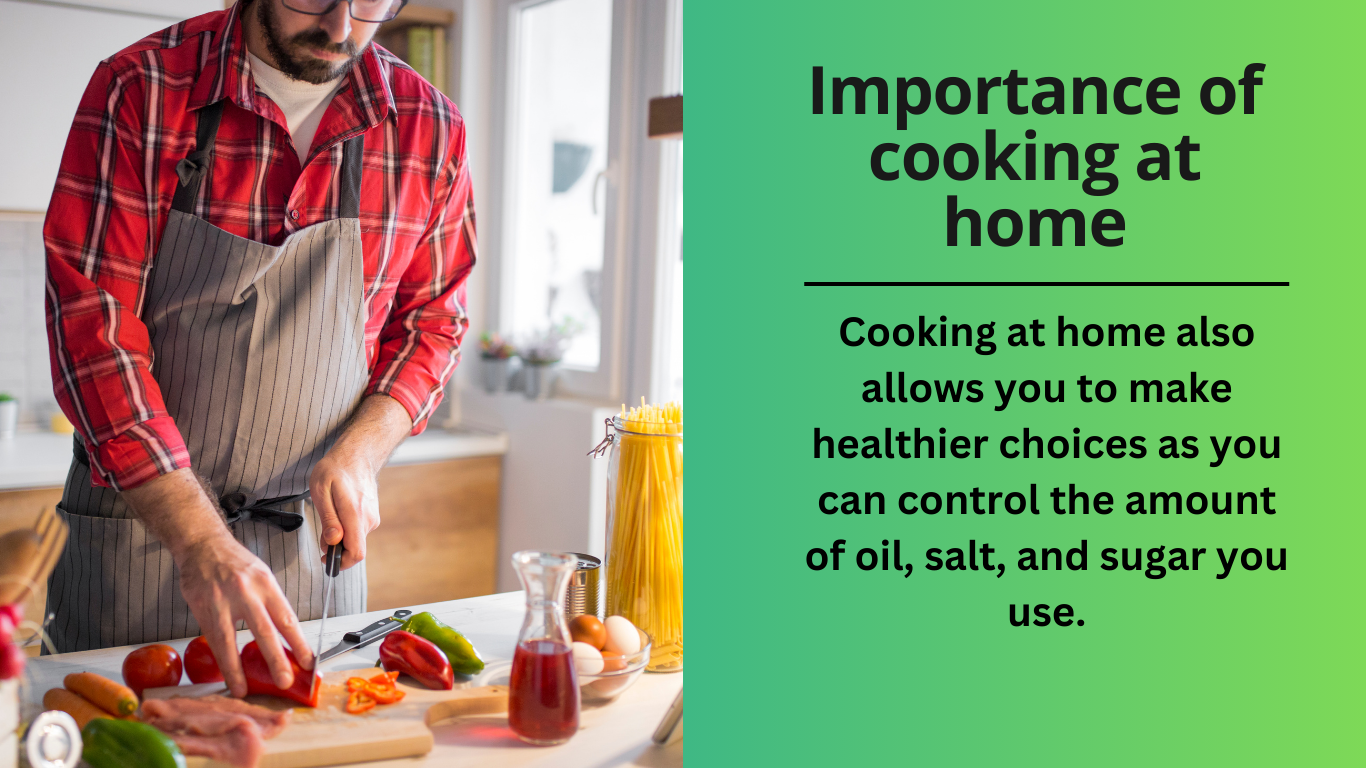
The importance of cooking at home
Cooking at home is not only important for our health, but also for our wallets. Eating out can be convenient, but it is typically more expensive than cooking at home. When you cook at home, you can control what ingredients you use and how much you spend on them. Additionally, you can make larger portions and have leftovers for the next day or freeze them for later use. This means you can stretch your budget further.
Learning to cook can also be a fun and rewarding experience. Not only do you get to eat delicious home-cooked meals, but you also get to experiment with different flavors and ingredients. Cooking at home also allows you to make healthier choices as you can control the amount of oil, salt, and sugar you use.
If you are worried about the time it takes to cook, there are many resources available to help you. Meal planning and prepping on the weekends can save time during the week, and there are many quick and easy recipes available online or in cookbooks. Cooking with friends or family can also make the experience more enjoyable and less daunting.
In summary, cooking at home is not only a great way to save money, but it is also a fun and healthy option. With a little bit of planning and preparation, you can easily incorporate home-cooked meals into your lifestyle.
A call to action for better food policies
The economics of healthy eating is a complex issue that requires attention from policymakers, food manufacturers, retailers, and consumers. Healthy foods may seem more expensive in the short term, but the long-term benefits of good nutrition are undeniable.
We need better food policies that prioritize access to healthy foods for all individuals, regardless of income or location. This can include incentives for farmers to produce more fruits and vegetables, subsidies for healthy food purchases by low-income households, and regulations on unhealthy food marketing to children.
As consumers, we can also play a role in promoting healthy food choices by supporting local farmers and community-supported agriculture programs, cooking meals at home, and advocating for better food policies.
In the end, the economics of healthy eating is not just about saving money, but about investing in our health and well-being. By working together to promote healthy food choices, we can create a healthier and more equitable food system for all.
What obstacles prevent you from eating more healthy? If you are currently eating a healthy diet and staying away from all of the processed foods, how do you feel about the cost of food? Is it higher than unhealthy habits or do you feel it is about the same? How do you help offset the cost of a more healthy and, oftentimes, raw diet? Let me know in the comments below.


 Gay in the CLE