
Pink capitalism is a term that has been coined to describe the phenomenon of corporations and businesses using LGBTQ rights and identities as marketing tools to sell products. While many companies portray themselves as allies of the LGBTQ community, others have been accused of exploiting the community to make a profit. The question is, is pink capitalism empowering or exploiting the LGBTQ community?
While many argue that this type of representation has helped to bring attention to the LGBTQ+ community and promote greater acceptance, others are concerned that it can be exploitative, and ultimately perpetuate harmful stereotypes and inequalities.
At the heart of the debate around pink capitalism is the question of whether these representations are truly beneficial for the LGBTQ+ community, or if they are simply a means for corporations to profit from a marginalized group. This blog will explore the various perspectives surrounding pink capitalism, and consider the impact that these representations might have on the queer community as a whole
In this article, we will explore the pros and cons of pink capitalism, and look at how it affects the LGBTQ community. Whether you’re an LGBTQ person or an ally of the community, this article will give you insight into the complex relationship between business and the LGBTQ community.

What is Pink Capitalism
Pink capitalism refers to the use of LGBTQ+ identities and experiences to sell products and services. This is a way for companies to create a marketing campaign that targets the LGBTQ+ community while still making money. This term originated in the 1990s when businesses started to recognize the purchasing power of the LGBTQ+ community. Pink capitalism can be seen in the form of companies using rainbow flags in their advertising campaigns, creating “Pride” collections of products, and sponsoring LGBTQ+ events. On one hand, this can be seen as empowering because it brings visibility to the community and can create a sense of acceptance and inclusivity. However, some people argue that it is exploiting the community by profiting off of their identity.
It is important to consider whether these companies are actually doing anything to support the LGBTQ+ community beyond just selling products. Pink capitalism can also lead to the erasure of the more marginalized members of the community who may not be seen as marketable. Overall, it is important to be critical of how companies use LGBTQ+ identities and experiences in their marketing strategies.
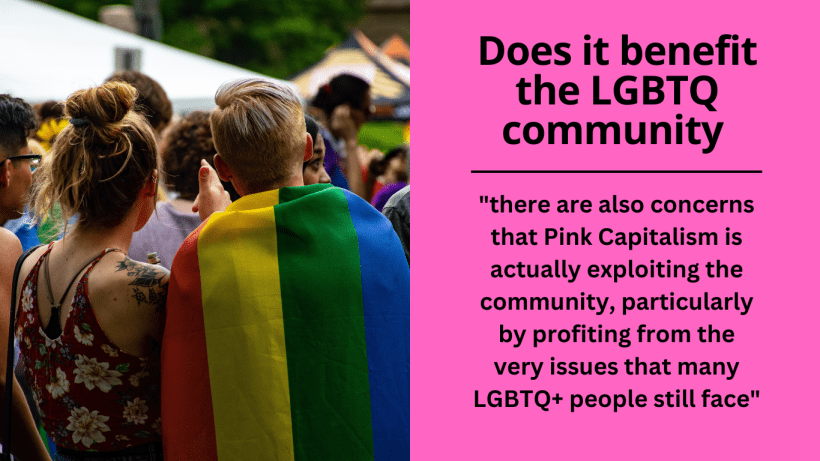
Does it benefit the LGBTQ community
As the concept of Pink Capitalism continues to grow, it’s important to consider whether it actually benefits the LGBTQ+ community or if it’s just a way for businesses to capitalize on a market trend. On one hand, it can be argued that Pink Capitalism helps to promote visibility and acceptance of the LGBTQ+ community. By featuring rainbow-themed merchandise and advertisements, companies are showing their support for the community and raising awareness of LGBTQ+ issues.
However, there are also concerns that Pink Capitalism is actually exploiting the community, particularly by profiting from the very issues that many LGBTQ+ people still face, such as discrimination and marginalization. Some argue that businesses are simply using the LGBTQ+ community for their own gain, without actually making any significant contributions to the cause or addressing the root problems of inequality.
Moreover, Pink Capitalism can also lead to the commodification of LGBTQ+ identities, reducing them to mere marketable and profitable assets rather than complex and diverse identities that deserve true support and representation.
Ultimately, the question of whether Pink Capitalism benefits the LGBTQ+ community is complex, and there are certainly arguments for and against the practice. It’s important for companies and consumers alike to consider the broader implications of their actions and to genuinely support and uplift the LGBTQ+ community in meaningful ways.
Using the LGBTQ community for profit
The answer to this question is not a simple one. While some corporations do genuinely support and advocate for the LGBTQ+ community, others may simply be using the community as a way to increase profits through what is known as “pink capitalism.”
Pink capitalism refers to the practice of using the LGBTQ+ community and its symbols, such as the rainbow flag, to sell products and services. While some argue that this helps to increase visibility and acceptance of the community, others criticize it as a form of exploitation.
Critics argue that corporations may only show support for the LGBTQ+ community during Pride Month or other special events, while ignoring issues that affect the community year-round. Additionally, some corporations may use LGBTQ+ imagery and slogans without actually supporting LGBTQ+ rights or causes.
It’s important for consumers to be aware of these practices and do their research before supporting a company that claims to be LGBTQ+ friendly. Look for companies that have a track record of supporting LGBTQ+ causes and are transparent about their efforts. Donating to LGBTQ+ charities and organizations directly is also a great way to support the community without contributing to pink capitalism.

How can we support LGBTQ rights
Supporting LGBTQ+ rights without supporting Pink Capitalism can be tricky but it is possible. Firstly, it is important to support LGBTQ+ owned small businesses. This not only supports the community directly but also helps to create jobs and strengthen the economy. Additionally, it is important to prioritize companies that have inclusive policies and practices. This means supporting companies that have anti-discrimination policies and offer benefits to LGBTQ+ employees, such as domestic partner benefits and gender-affirming healthcare.
Another way to support the LGBTQ+ community without contributing to Pink Capitalism is to donate to non-profit organizations that focus on LGBTQ+ rights and advocacy. These groups often work to improve the lives of LGBTQ+ individuals in tangible ways, such as providing healthcare and legal support.
Finally, it is important to recognize that supporting LGBTQ+ rights is not just about buying rainbow-colored products during Pride Month. It requires ongoing education, allyship, and advocacy efforts. Supporting causes that uplift the community and fighting against discrimination and inequality in all its forms is essential to creating a world where everyone feels safe and respected, regardless of their sexual orientation or gender identity.
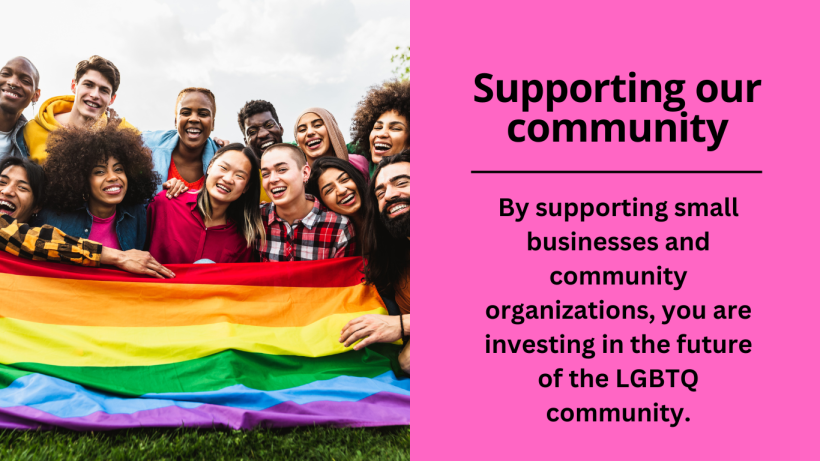
Supporting our community
While pink capitalism may bring attention to LGBTQ issues and provide some financial support, it is not a long-term solution for the community. Supporting small businesses and community organizations is crucial for the sustainability and growth of the LGBTQ movement.
When you buy from small LGBTQ-owned businesses, you are directly supporting the community. This helps small businesses thrive and creates jobs within the community. Additionally, supporting community organizations such as LGBTQ centers, youth programs, and advocacy groups provides resources and support for those in need.
It is important to research and support businesses and organizations that align with the values of the LGBTQ community. This includes businesses that prioritize diversity and inclusion in their hiring practices, support of local LGBTQ events, and overall commitment to equality.
By supporting small businesses and community organizations, you are investing in the future of the LGBTQ community. This creates a stronger and more sustainable community that can continue to fight for equality and acceptance.

The future of Pink Capitalism
The future of Pink Capitalism is a topic of increasing concern within the LGBTQ+ community. While the concept of Pink Capitalism initially aimed to create a more inclusive and accepting world for the community, it has also been criticized for its focus on commercializing the movement rather than truly supporting and advocating for LGBTQ+ rights.
Some argue that Pink Capitalism has led to the commodification of queer identities, turning them into marketable commodities and perpetuating the idea that queer individuals are only valuable for their purchasing power. This trend has led to the rise of superficial marketing campaigns that prioritize rainbow-themed products over actual progress in the fight for LGBTQ+ rights.
On the other hand, others believe that Pink Capitalism has the potential to create real change. By creating a visible market for LGBTQ+ products and services, Pink Capitalism can help promote LGBTQ+ acceptance and visibility within society.
The future of Pink Capitalism will largely depend on the ways in which it is harnessed and utilized. If the focus remains on commercialization and profit over advocacy and support for the community, it is likely to continue doing more harm than good.
However, if Pink Capitalism is used to promote genuine support and acceptance for the LGBTQ+ community, it can be a powerful tool for creating positive change.
The need for critical thinking and activism
It is important to note that pink capitalism has both positive and negative impacts on the LGBTQ+ community. While it has created more visibility and acceptance of queer individuals in the mainstream media, it has also led to the commodification of queer culture and the exploitation of LGBTQ+ individuals for profit.
It is crucial for individuals to engage in critical thinking when it comes to supporting LGBTQ+ rights. This means being aware of the ways in which corporations may use rainbow capitalism as a marketing strategy, without truly supporting the community.
We must also continue to advocate for the rights of LGBTQ+ individuals through activism and political involvement. This means supporting organizations that prioritize the needs of marginalized queer individuals, such as those who are low-income, homeless, or people of color.
Lastly, we must also realize the power we have with our money. In cases, LGBTQ people have what is considered disposable income, in many cases. In the past, we have used the power our dollars have to support businesses that were not afraid to support us. How we spent our money created massive changes that lead us to achieving marriage equality. We have forgotten how large of a group we are and how our money can still affect the needed changes we seek. We also forget that our votes, if all turn out to vote can cause massive sweeping changes to the government. We only have to look back to our immediate past to see the evidence there.
How do you feel about Pink Capitalism? Do you see how it affects your and can be seen as counterproductive to our causes? Do you agree that business often use this time of year to pad their pockets without really caring for the groups of people they are, supposedly, representing? Let me know in the comments below.


 Gay in the CLE